Small-Space Living Tips
Practical brewing advice: choosing a kettle and fermenter, extract vs all-grain, controlling fermentation temperature, kegging and bottling, cleaning and sanitizing, and the gear that makes better beer. the US. No fluff, just what works.
Beer Style Chart
Typical original gravity, final gravity, and ABV ranges for common homebrew beer styles, based on BJCP guidelines, for recipe planning.
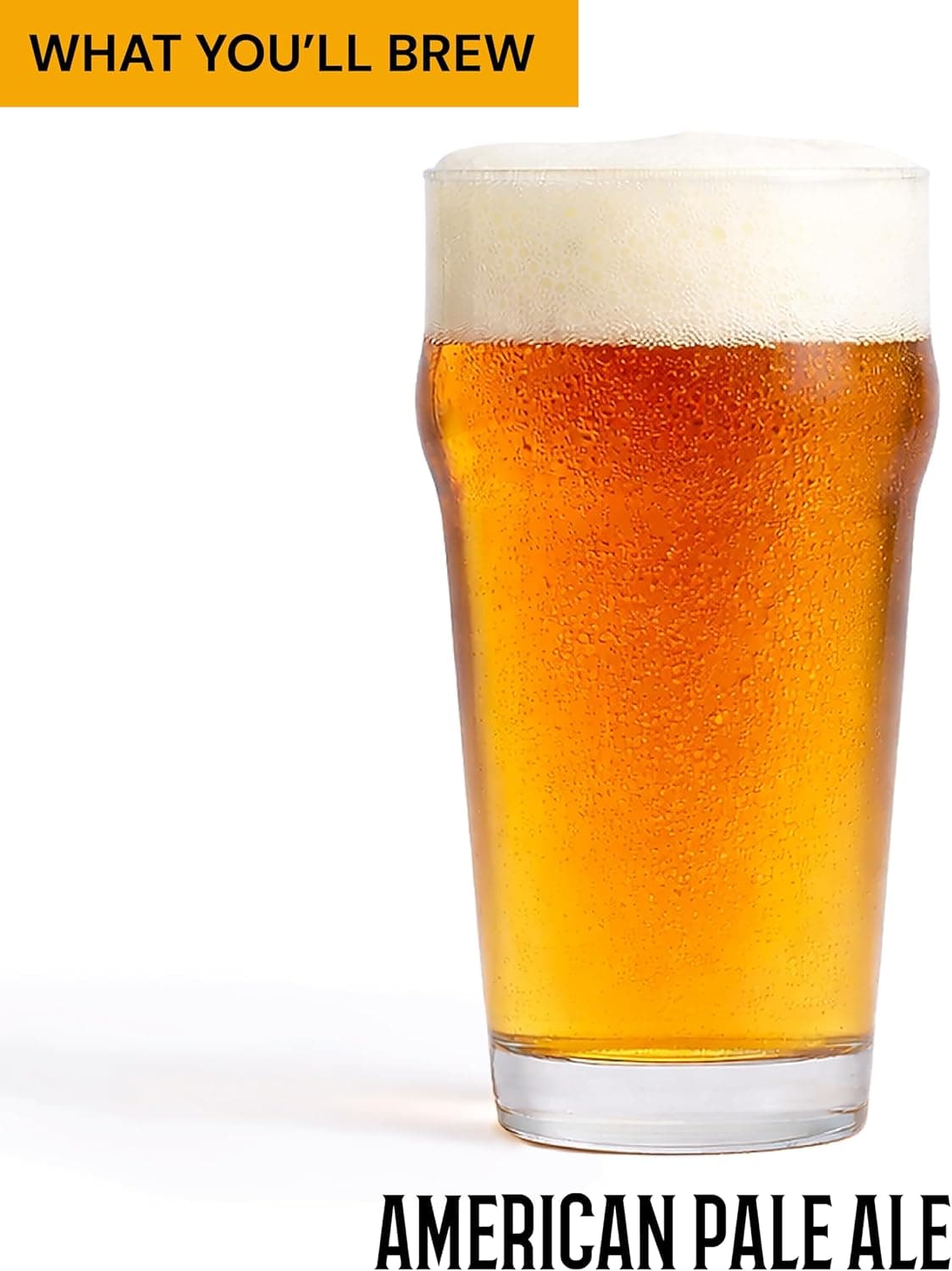
How to Brew a Spiced Winter Ale for the Holidays
Plan a winter warmer or spiced holiday ale in autumn so it is ready in December. Base styles, spice choices, when to add spices and conditioning time.
How to Fix Flat or Over-Carbonated Homebrew Bottles
Bottles that pour flat or foam uncontrollably point to priming, temperature, fermentation or sanitation issues. How to diagnose and fix bottle carbonation.
How to Restart a Stuck Homebrew Fermentation
Beer stuck at a gravity well above the target? Causes include temperature, yeast health, mash temperature and unfermentable sugars, with steps to restart it.
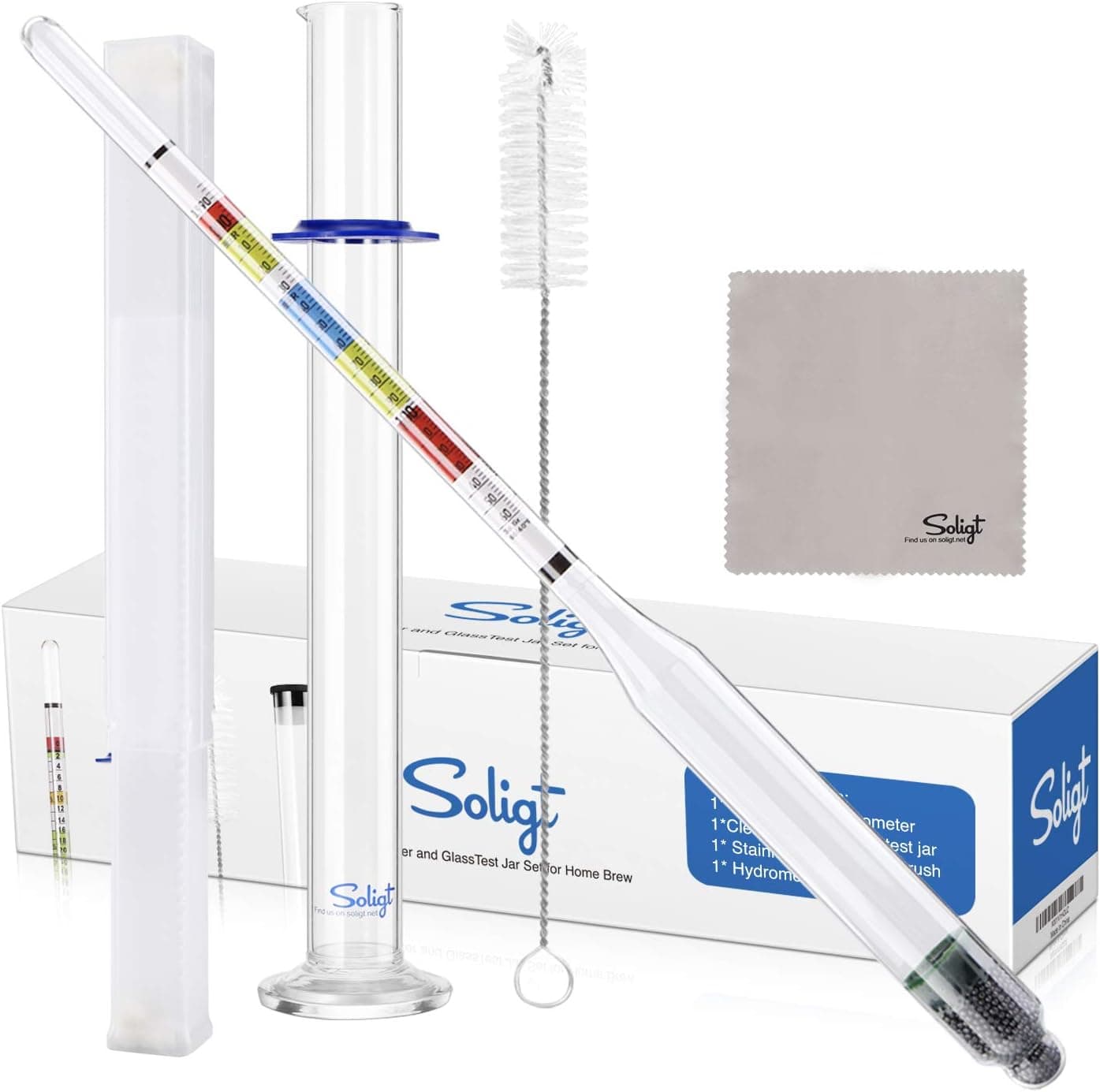
Why Your Homebrew Airlock Is Not Bubbling
A silent airlock does not always mean fermentation failed. How to check with a hydrometer, find leaks and fix yeast, temperature and oxygen problems.
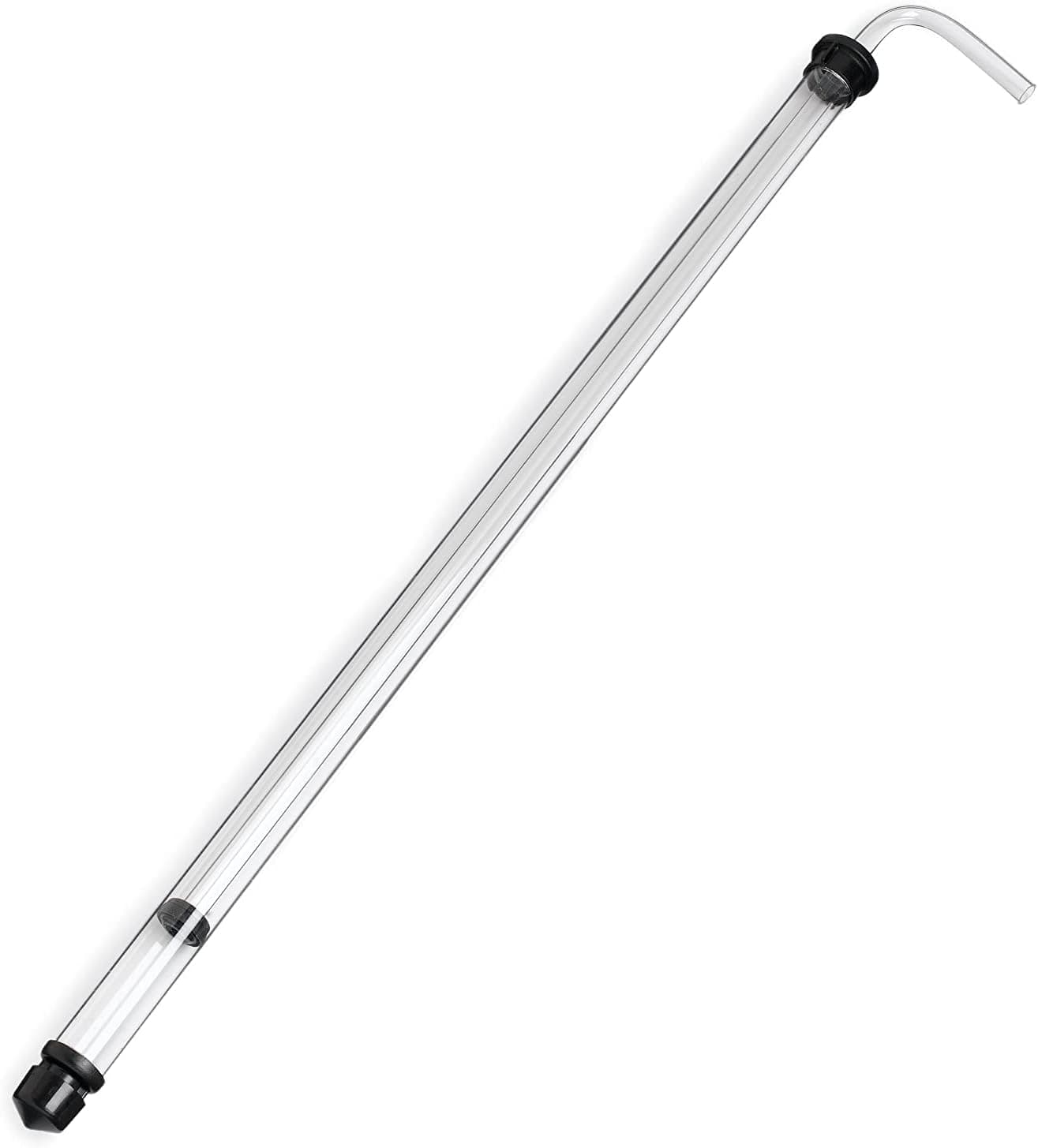
Racking and Transferring Beer Without Oxidation
Learn what racking means in homebrewing, why gentle transfers matter, and how to move your beer between vessels while avoiding oxidation and infection.
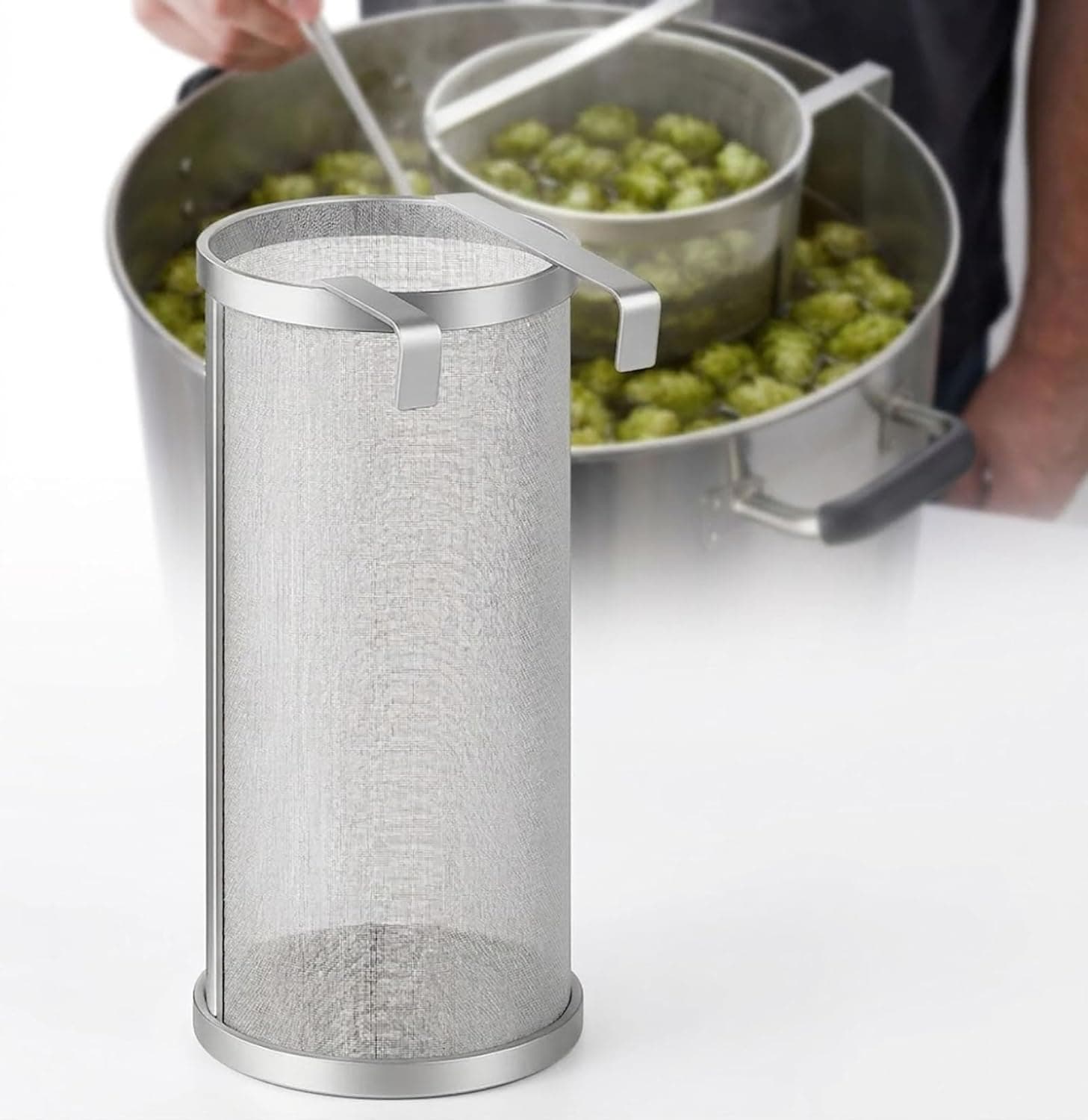
Understanding Hop Additions and Timing
Learn how the timing of hop additions during the boil and beyond shapes bitterness, flavor, and aroma, and how to build a balanced hop schedule.
Force Carbonation Explained
Learn how force carbonation works, the difference between the slow and fast methods, and how to use a carbonation chart to get perfect fizz in your keg.
How to Store Hops and Grain Properly
Learn the best ways to store hops and malt at home to preserve freshness, prevent staleness, and keep your brewing ingredients in top condition.
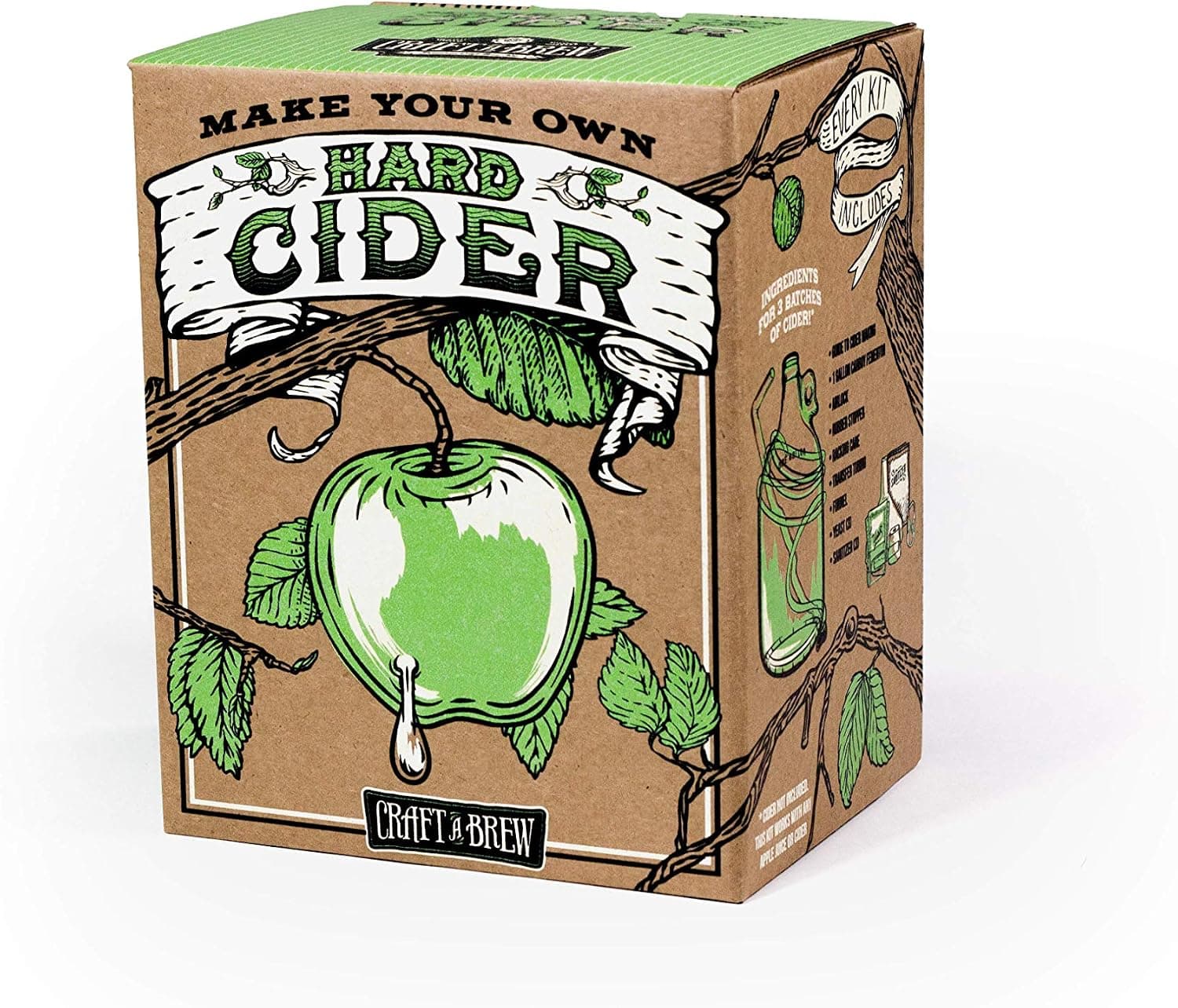
Making Hard Cider at Home
Learn how to make hard cider from apple juice, including choosing juice, pitching yeast, fermentation, and sweetness, in this beginner-friendly guide.
Kombucha Basics for Beginners
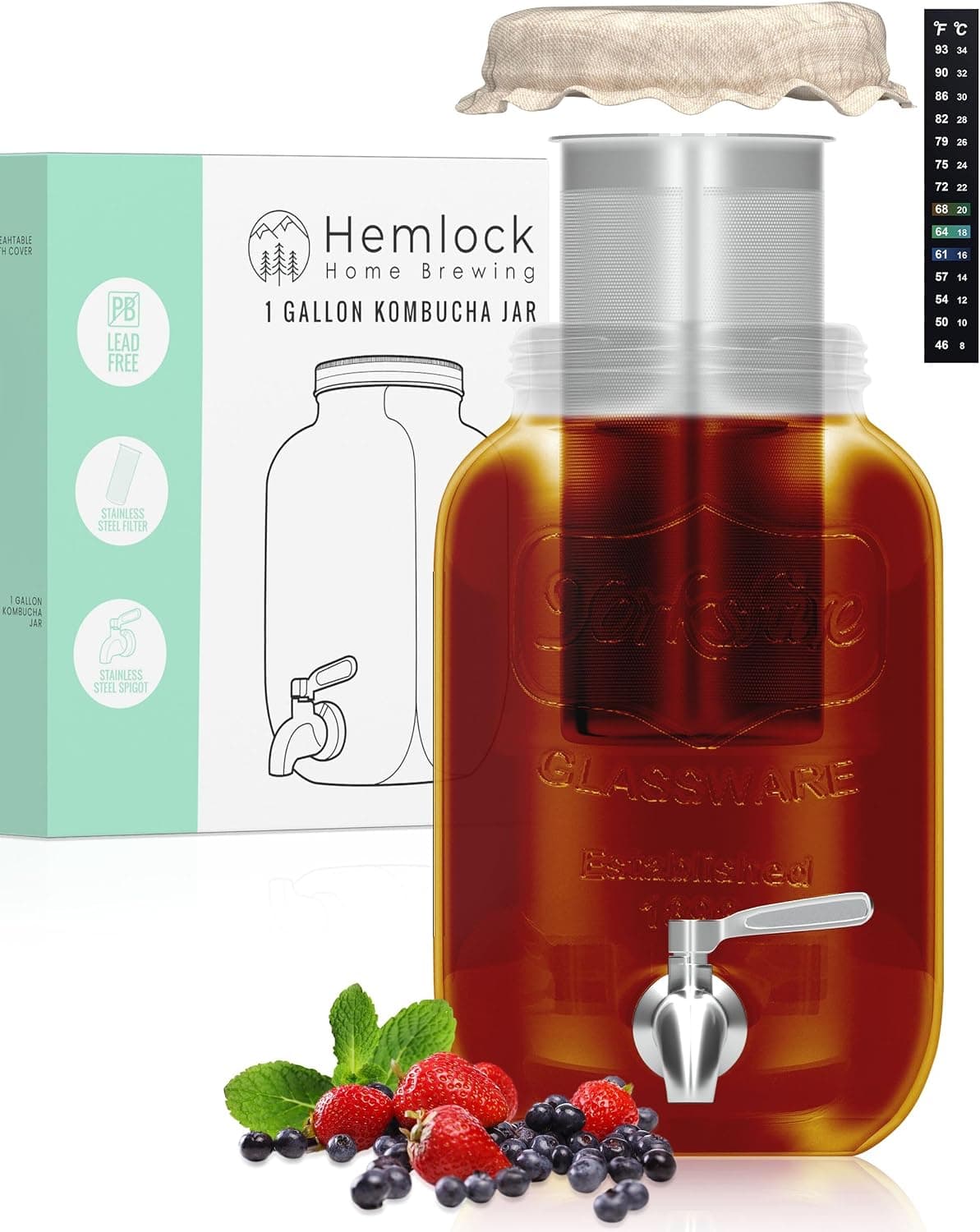
A beginner's guide to brewing kombucha at home, covering the SCOBY, sweet tea base, fermentation, flavoring, and safe, clean brewing practices.
Your First All-Grain Brew Day
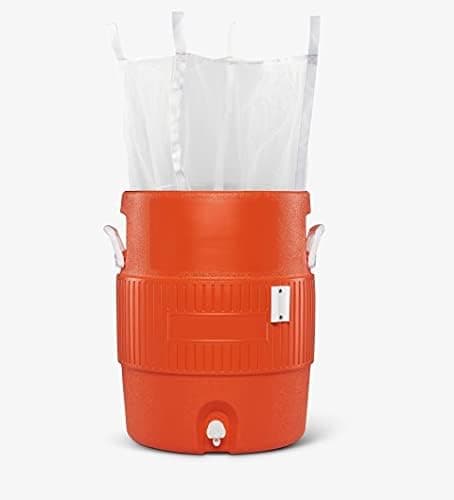
A walkthrough of a first all-grain brew day, from mashing and sparging to the boil and cooling, so you know each step before you start.

Cleaning vs Sanitizing
Understand the crucial difference between cleaning and sanitizing brewing equipment, why you need both, and the correct order to do them for safe beer.
Dry Hopping for Bigger Hop Aroma
Learn how dry hopping adds intense hop aroma to beer, when to add the hops, how long to leave them, and how to avoid common dry-hopping mistakes.
Cold Crashing Your Beer for Better Clarity
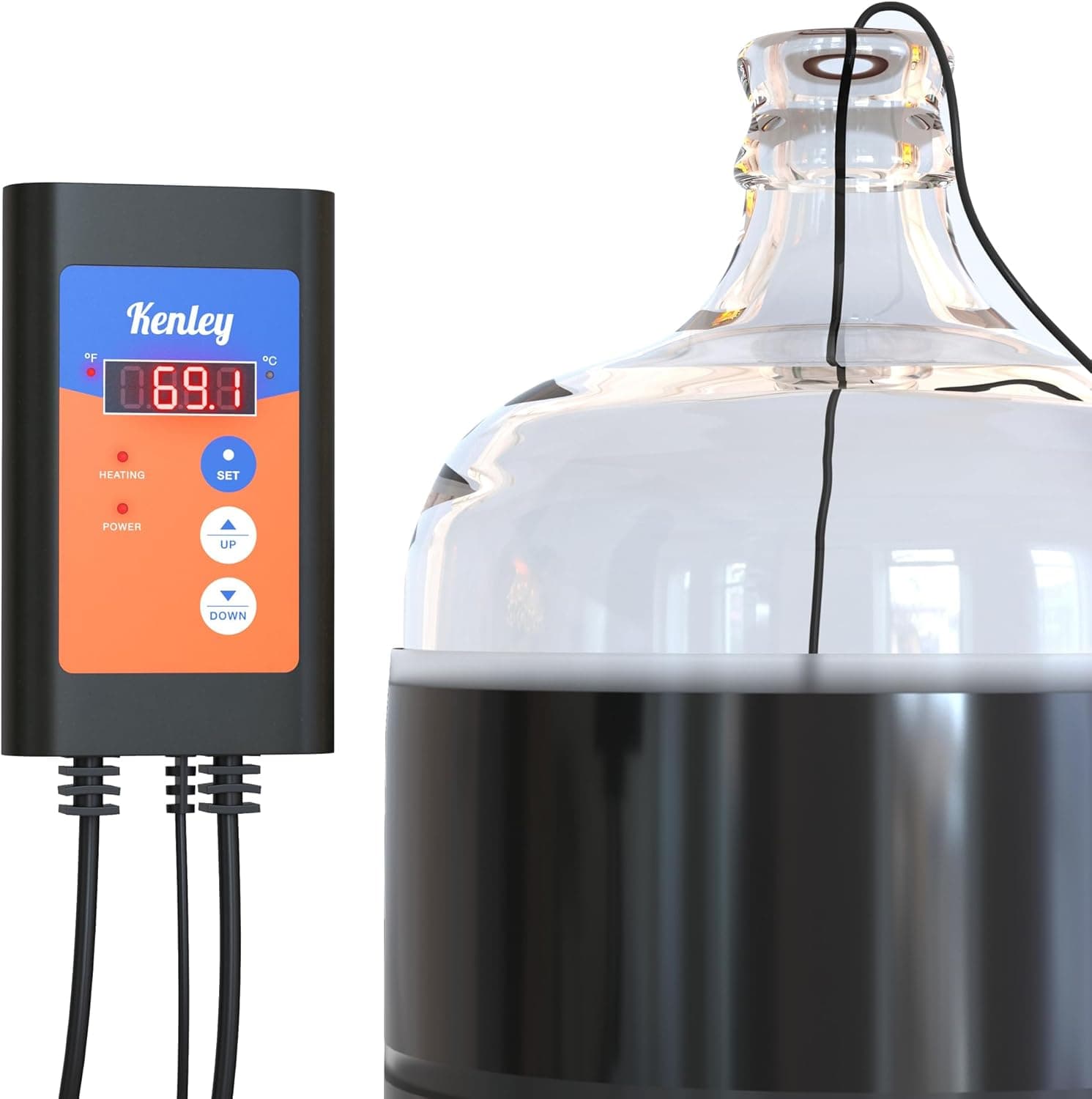
Learn what cold crashing is, how it clears your beer of yeast and haze before packaging, and simple ways to do it without oxidizing your homebrew.
Avoiding Common Off-Flavors in Homebrew
Identify the most common homebrew off-flavors, what causes them, and the practical brewing habits that keep your beer clean and enjoyable.
How to Make a Yeast Starter
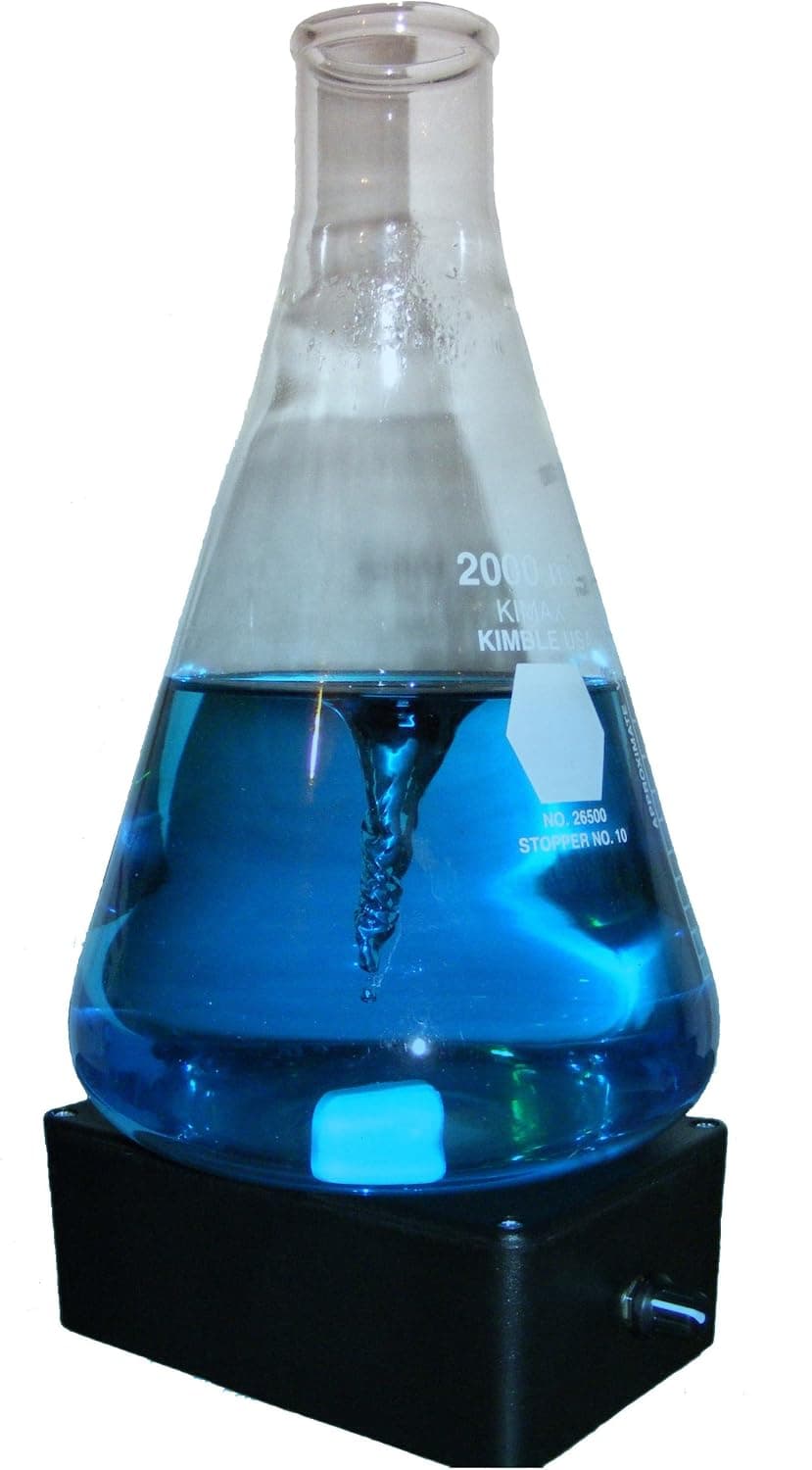
Learn how and why to make a yeast starter to grow healthy cells, ensure strong fermentation, and get more reliable results from liquid yeast.
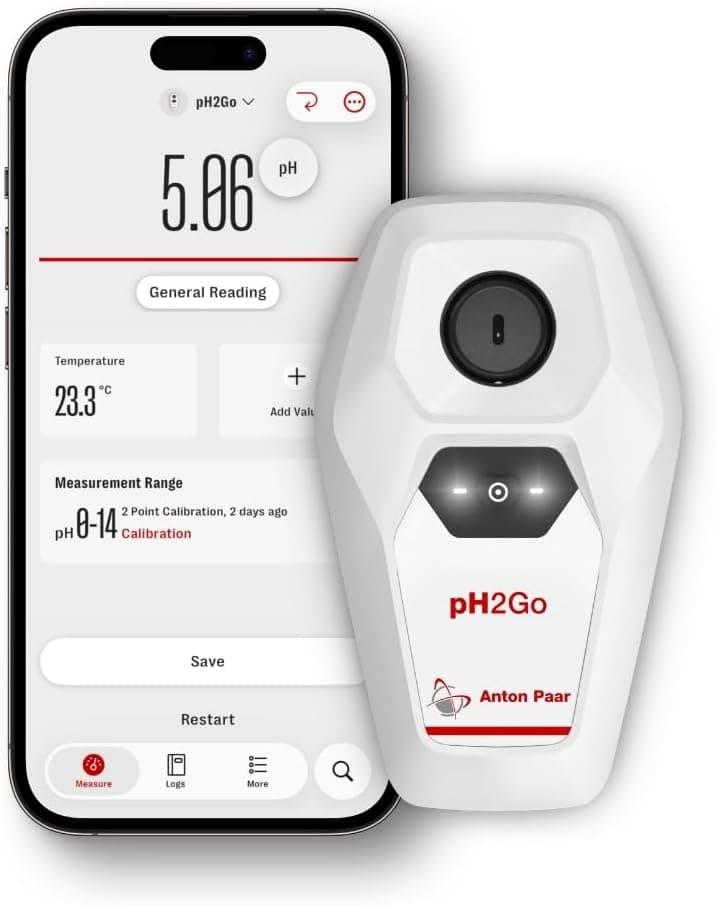
Water Chemistry Basics for Brewing
An introduction to brewing water chemistry: key minerals, pH, why water matters, and simple steps to improve your beer without a chemistry degree.
Brew in a Bag Method Explained
Discover how the brew-in-a-bag method simplifies all-grain brewing with one vessel, less equipment, and an easy path from extract to full mashing.
Priming Sugar Amounts for Bottle Conditioning
Learn how to calculate priming sugar for bottling homebrew, why beer style and temperature matter, and how to avoid flat or over-carbonated bottles.
Bottling Basics for Homebrewers
Everything a beginner needs to bottle homebrew: choosing bottles, sanitizing, adding priming sugar, filling, capping, and conditioning for carbonation.
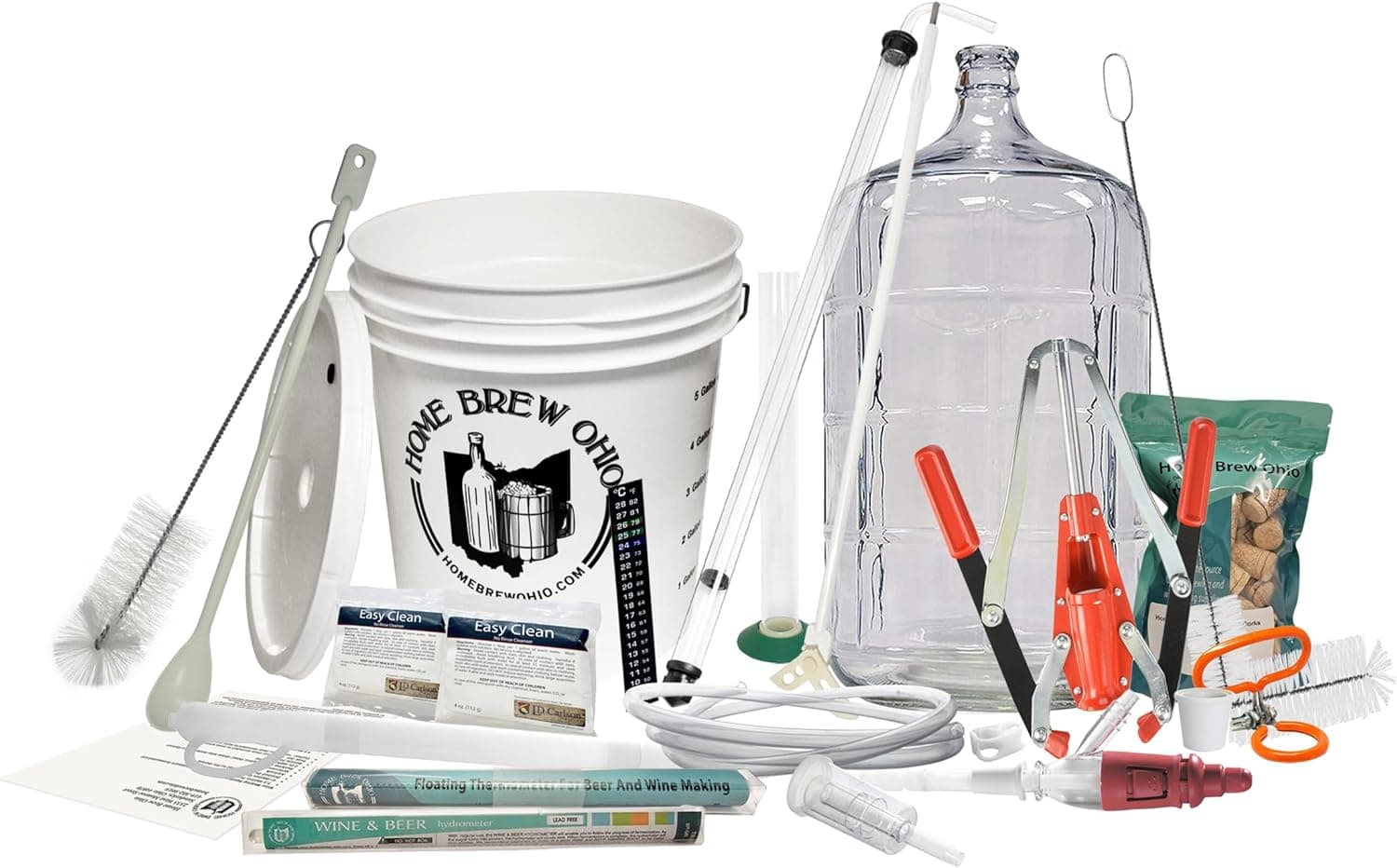
How to Keg Your Homebrew Beer
A beginner's guide to kegging homebrew, from cleaning and filling a keg to sealing, purging oxygen, and carbonating with carbon dioxide.
Dry vs Liquid Yeast
Compare dry and liquid brewing yeast on cost, strain variety, shelf life, and handling so you can decide which suits your next homebrew batch.
Choosing the Right Yeast for Your Beer
Learn how to choose a beer yeast strain by style, attenuation, flavor, temperature range, and flocculation to match the beer you want to brew.

Reading Original and Final Gravity to Calculate ABV
Understand what original and final gravity mean, how to read them, and how to turn the two numbers into an accurate alcohol-by-volume estimate.
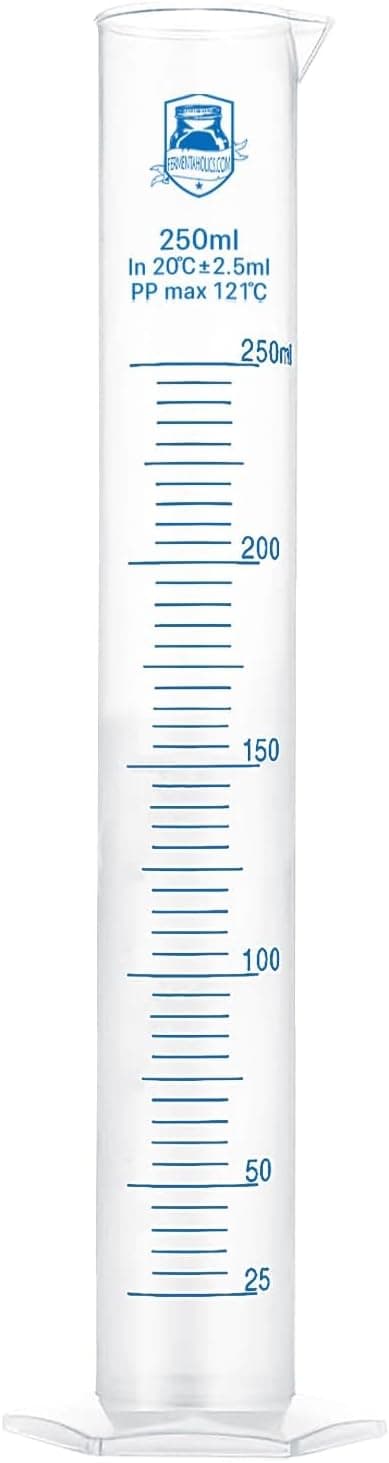
How to Use a Hydrometer in Homebrewing
A step-by-step guide to using a hydrometer to measure your beer's gravity, take accurate readings, and track fermentation progress.
Controlling Fermentation Temperature for Cleaner Beer
Discover why fermentation temperature matters and practical ways to hold your yeast in its ideal range for cleaner, more consistent homebrew.
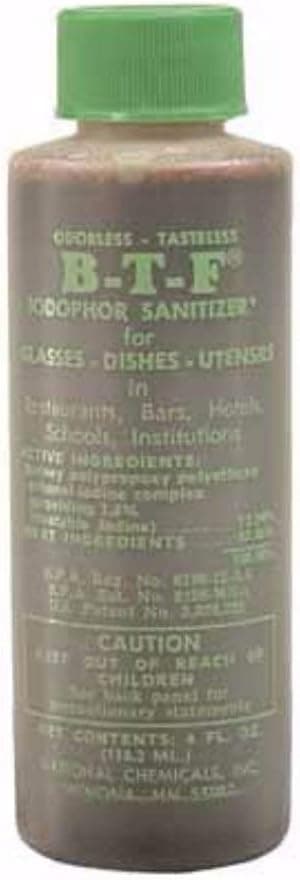
How to Sanitize Brewing Gear the Right Way
Learn how to properly sanitize homebrew equipment, which sanitizers to use, and the contact times that keep your beer free of infection.
Extract vs All-Grain Brewing
Compare extract and all-grain brewing methods for cost, time, control, and flavor so you can pick the right path for your homebrew setup.