Priming Sugar Amounts for Bottle Conditioning
Published How we research
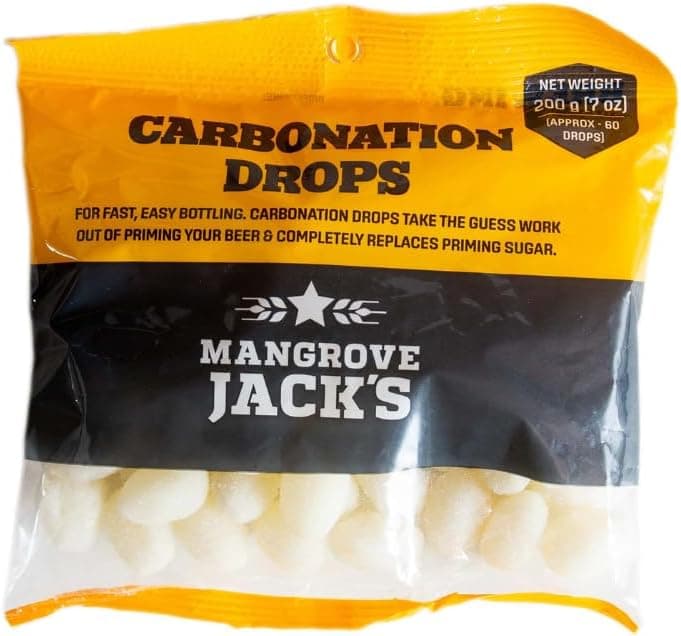
Priming sugar amount depends on batch volume, target carbonation level, and the temperature reached during fermentation, since warmer beer holds less residual CO2 and needs slightly more sugar. Different styles call for different carbonation, from gentle British ales to highly effervescent Belgian and wheat beers. Use a priming sugar calculator and measure by weight with a scale rather than by volume for accuracy. Corn sugar is most common; dissolve it in boiled water and mix evenly into the whole batch, since uneven mixing causes some bottles to be flat while others over-carbonate. Always bottle in pressure-rated vessels and never add extra sugar for more fizz. Priming sugar is what carbonates bottle-conditioned beer. When you add a measured amount of fermentable sugar at bottling time, the yeast still suspended in the beer eats it and produces carbon dioxide inside the sealed bottle. Getting the amount right is important: too little leaves the beer flat, and too much can create excessive pressure that leads to gushing bottles or, in extreme cases, dangerous bottle failure.
Three factors determine how much priming sugar you need
The amount of priming sugar you need depends on three main factors: the volume of beer you are bottling, the level of carbonation appropriate for the style, and the temperature the beer reached during fermentation. That last factor surprises many beginners. Beer naturally holds some dissolved carbon dioxide left over from fermentation, and warmer beer retains less, so a warm-fermented beer needs slightly more priming sugar than a cold one to reach the same fizziness.
Different beer styles call for different carbonation levels
Different styles call for different carbonation levels, and this is a real part of matching a beer to its character. British ales and many stouts are traditionally served with gentle, soft carbonation. American ales and lagers usually want a moderate, lively level. Highly effervescent styles like Belgian ales and German wheat beers call for much higher carbonation, and those need more priming sugar and bottles rated to hold the extra pressure.
Use a calculator and measure by weight
Rather than guessing, use a priming sugar calculator, which asks for your batch volume, your desired carbonation level, and the highest temperature your beer reached, then returns a precise weight of sugar. Measuring priming sugar by weight with a scale is far more accurate than measuring by volume, because different sugars have different densities and even packing them into a cup varies. A small kitchen scale pays for itself here.
Dissolve and mix the sugar evenly
Corn sugar is the most common priming sugar because it ferments cleanly and completely, but table sugar and dry malt extract also work with slightly different amounts. Whatever you use, dissolve it in a small amount of boiled water, cool it, and mix it gently and evenly into the entire batch in a bottling bucket. Uneven mixing is a leading cause of some bottles being flat while others are over-carbonated in the same batch.
Consistency and safety go hand in hand
Consistency and safety go hand in hand. Always bottle in vessels designed to hold pressure, store them at a stable temperature while they carbonate, and resist the temptation to add extra sugar for a bigger fizz. If you follow a calculator and mix thoroughly, you will get even, reliable carbonation across the whole batch and avoid the mess and hazard that come from overdoing it.
Frequently asked questions
What factors determine how much priming sugar to use? The volume of beer you're bottling, the level of carbonation appropriate for the style, and the temperature the beer reached during fermentation, since warmer-fermented beer needs slightly more priming sugar.
Should I measure priming sugar by weight or volume? By weight with a small kitchen scale, since different sugars have different densities and packing them into a cup varies, making weight far more accurate.
Why do some bottles from the same batch end up flat while others are over-carbonated? Uneven mixing of the priming sugar solution into the bottling bucket is a leading cause, so mix it gently and evenly through the entire batch.
What sugar is best for priming homebrew? Corn sugar is the most common choice because it ferments cleanly and completely, though table sugar and dry malt extract also work with slightly different amounts.
Products from this article
The highest-scoring picks from the buying guides mentioned above. Scores are our editorial assessment, not customer ratings.
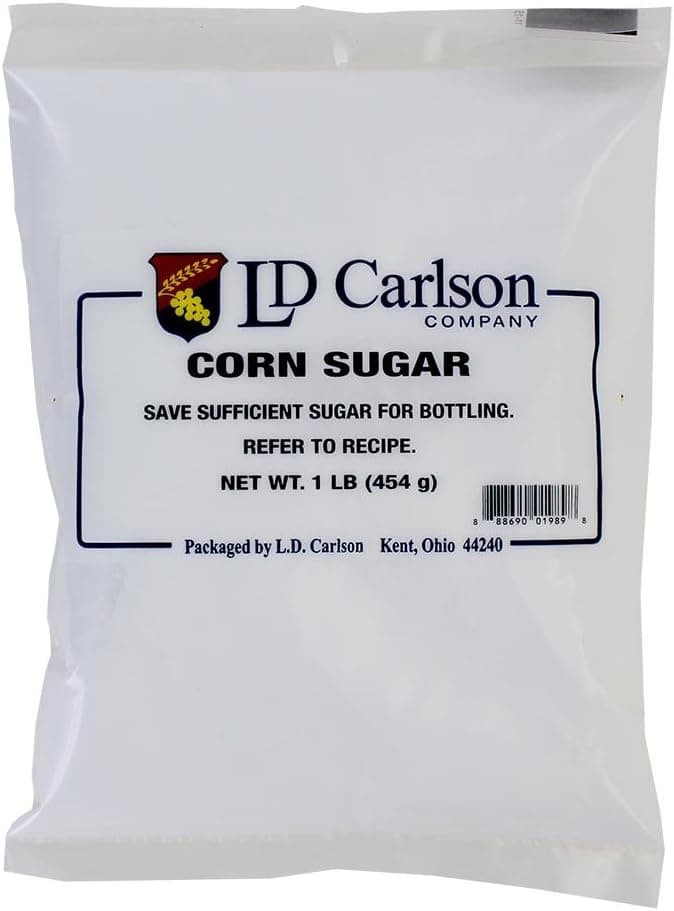
+ Dextrose ferments cleanly without adding flavor to the finished beer
From our guide: Best Priming Sugar for Bottle Conditioning (2026)
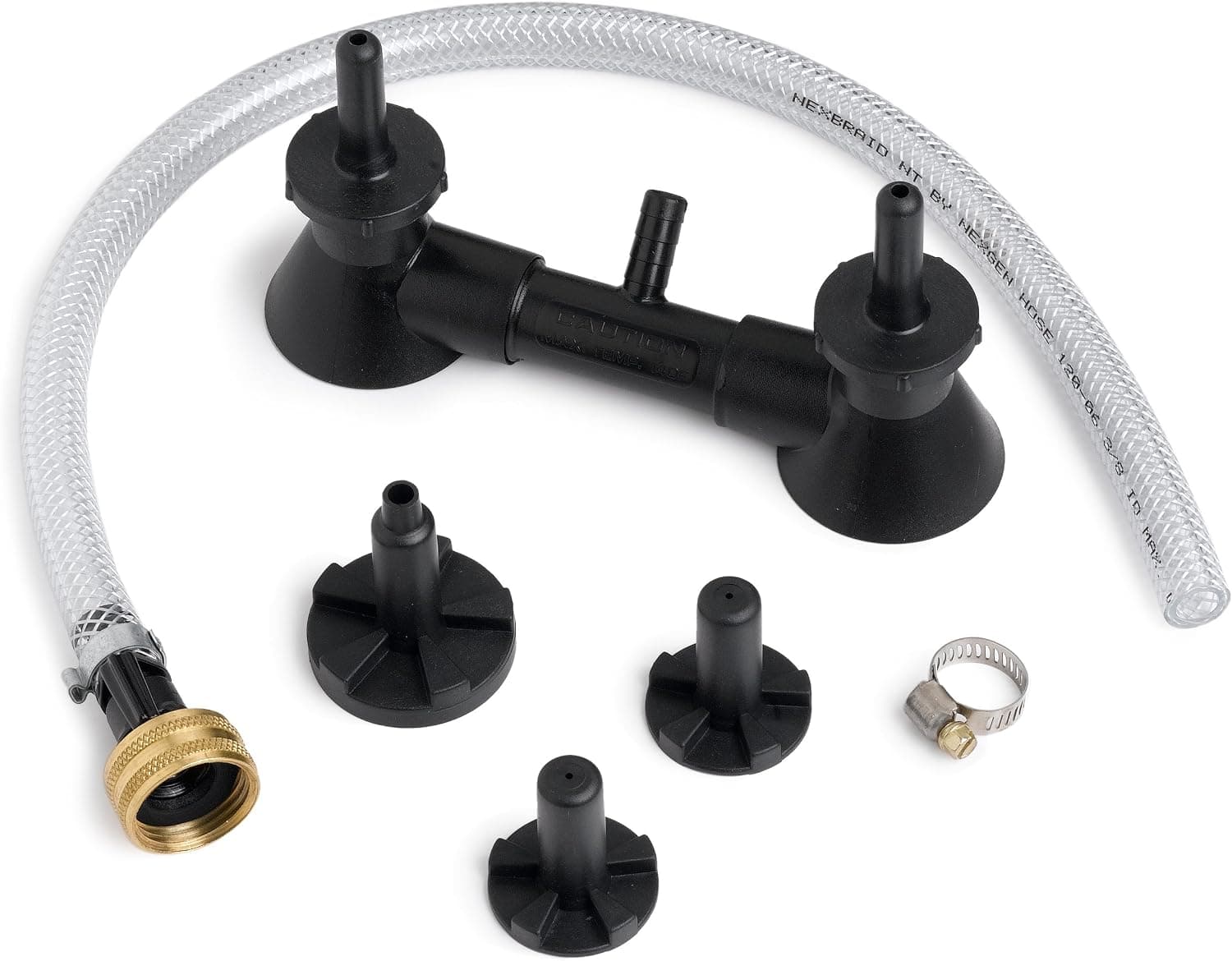
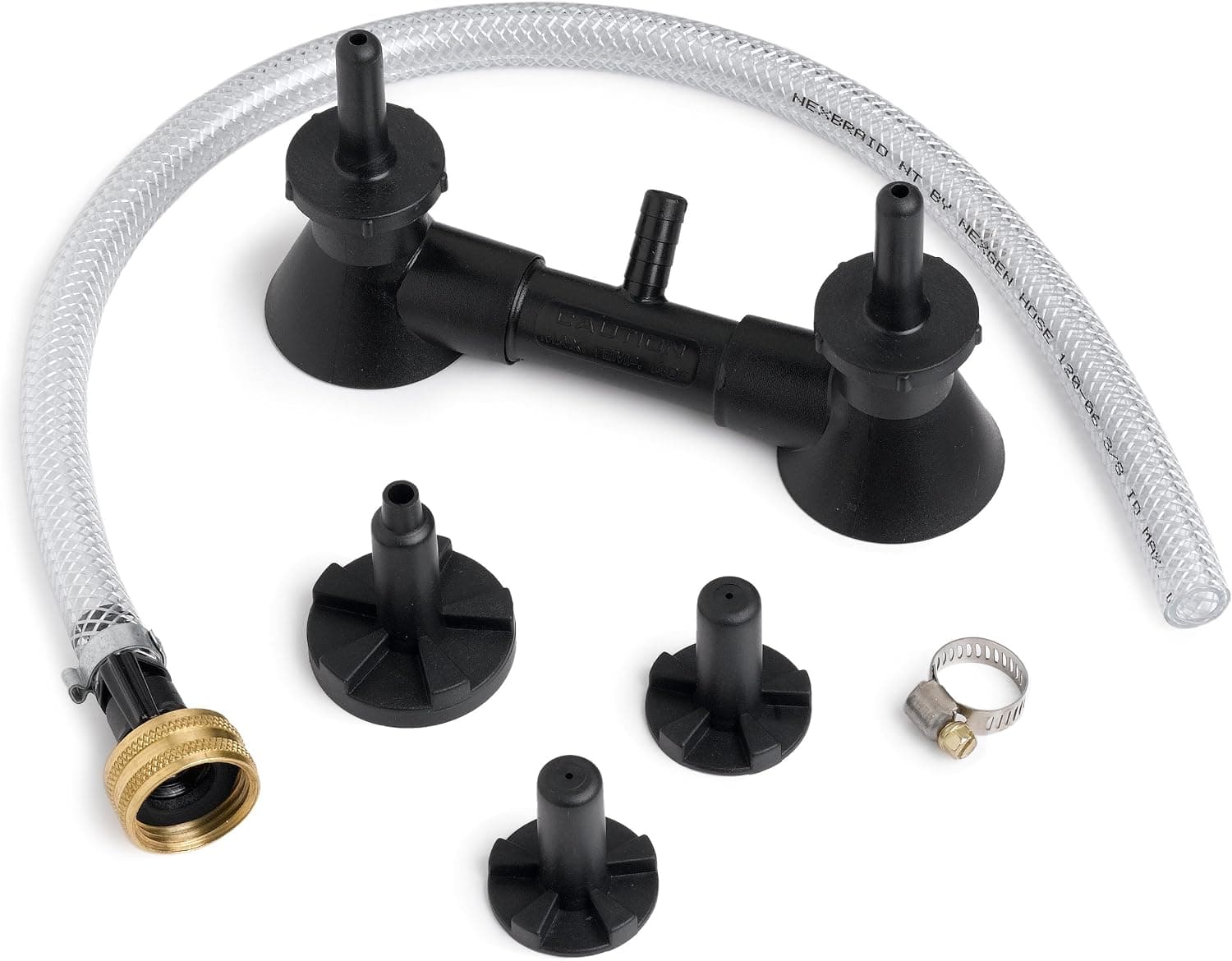
+ Double Blast design can rinse two bottles at a time
From our guide: Best Bottle Rinsers for Homebrew (2026)
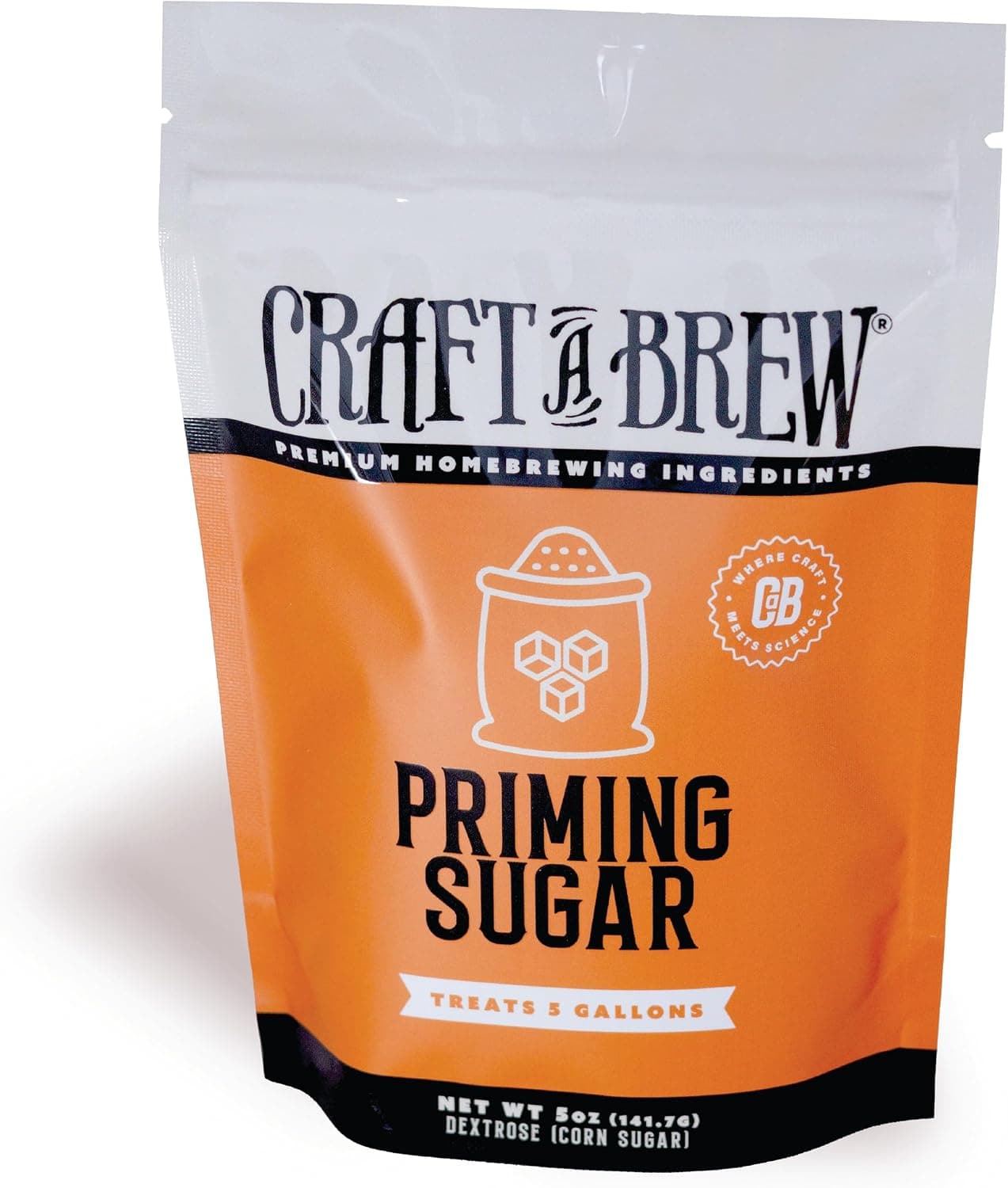
+ 5 oz bag is pre-portioned for a standard batch, so no weighing
From our guide: Best Priming Sugar for Bottle Conditioning (2026)
+ Two jets double your bottle rinsing speed
From our guide: Best Bottle Rinsers for Homebrew (2026)
Popular right now
- How to Store Hops and Grain ProperlyArticle
- Best Brew in a Bag (BIAB) Bags for Homebrewing (2026)Buying guide
- Cleaning and Sanitizing KitCollection
- Fermentation Temperature ControlCollection
- First Extract Brew KitCollection
- Reading Original and Final Gravity to Calculate ABVArticle
Based on the last 28 days of search and visitor data.