Water Chemistry Basics for Brewing
Published How we research

Water makes up the vast majority of any beer, yet it is the ingredient new brewers think about least. The mineral content and acidity of your water affect mash performance, hop expression, and the overall balance of the finished beer. You do not need to be a chemist to benefit from understanding a few basics, and small adjustments can noticeably sharpen your results, especially in all-grain brewing.
The minerals that matter most in brewing water are calcium, magnesium, sodium, sulfate, chloride, and bicarbonate. Each plays a role. Calcium supports enzyme activity in the mash and helps yeast and proteins settle out. Sulfate accentuates hop bitterness and gives a crisp, dry finish. Chloride does the opposite, rounding out the malt and lending a fuller, softer impression. The ratio between sulfate and chloride is a favorite lever for shaping a beer toward hoppy or malty.
Mash pH is the other central concept. When you mash grain, the ideal acidity range allows the starch-converting enzymes to work efficiently and produces a cleaner beer. Water that is too alkaline, often because of high bicarbonate, can push the mash pH too high and lead to harsh, dull flavors, particularly in pale beers. Dark grains are naturally acidic, which is one reason dark beers historically suited hard, alkaline water.
The first practical step is to find out what is in your water. If you are on a municipal supply, the water utility often publishes an annual report with mineral levels, though these can vary seasonally. For a precise picture, you can send a sample to a lab that offers brewing water analysis. Knowing your starting point tells you whether you need to add minerals, dilute with distilled water, or adjust acidity.
Many brewers simplify the whole subject by starting from a blank slate. Reverse osmosis or distilled water contains almost no minerals, so you can build the water profile you want by adding measured amounts of brewing salts such as gypsum and calcium chloride. Free brewing water calculators let you enter your target and tell you how much of each salt to add for a given batch size, which removes most of the math.
Do not let water chemistry intimidate you. If your tap water already makes beer you enjoy, you may only need to address obvious problems, such as removing chlorine or chloramine, which can create medicinal off-flavors and can be neutralized easily. As your palate develops, you can experiment with sulfate and chloride to fine-tune balance. Water is a powerful tool, but it rewards gradual, deliberate learning rather than overhauling everything at once.
Products from this article
The highest-scoring picks from the buying guides mentioned above. Scores are our editorial assessment, not customer ratings.
+ Glass-free ISFET sensor is far more robust than fragile glass probes
From our guide: Best pH Meters for Homebrew (2026)
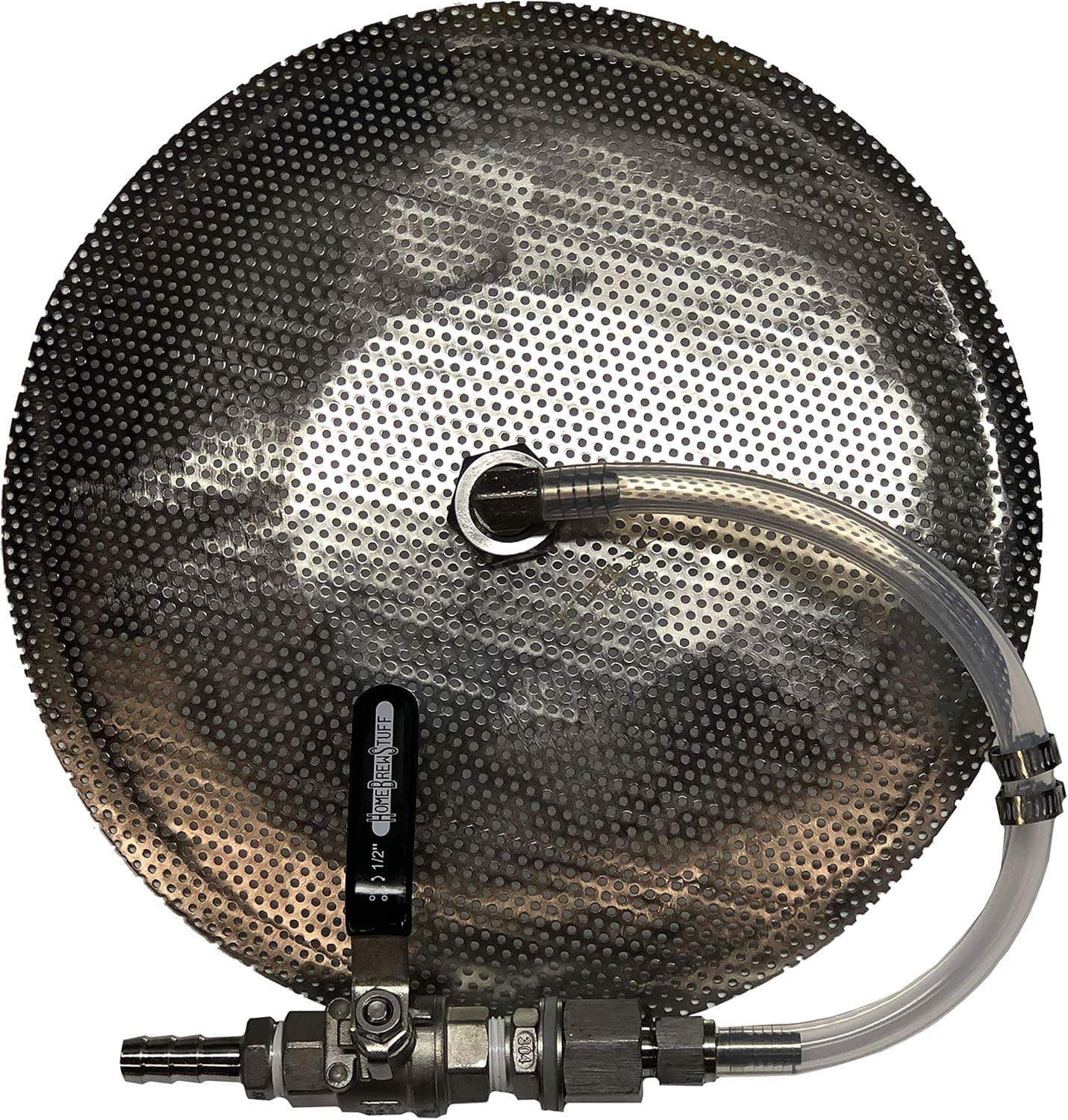
+ Ball valve lets you control runoff speed precisely during lautering
From our guide: Best Mash Tuns for Homebrewing (2026)
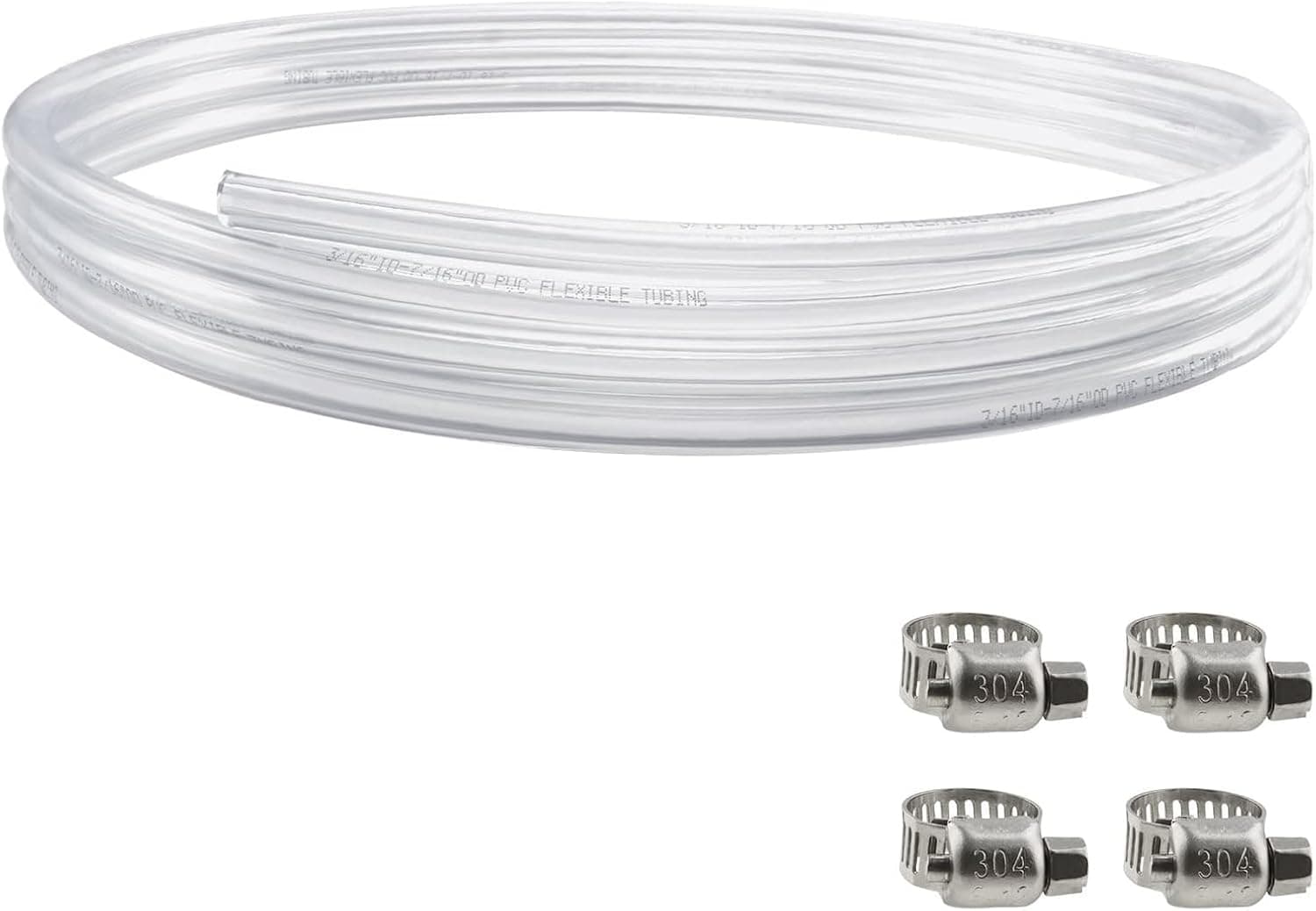
+ 3/16" ID is the standard size for balanced homebrew draft lines
From our guide: Best Beer Line Tubing for Homebrew Draft Systems (2026)
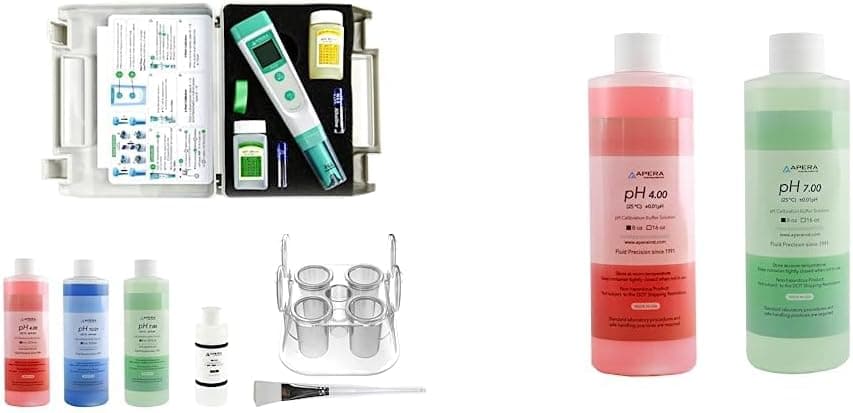
+ Buffer solutions included, so calibration can start on day one
From our guide: Best pH Meters for Homebrew (2026)
Popular right now
- How to Store Hops and Grain ProperlyArticle
- Best Brew in a Bag (BIAB) Bags for Homebrewing (2026)Buying guide
- Cleaning and Sanitizing KitCollection
- Fermentation Temperature ControlCollection
- First Extract Brew KitCollection
- Reading Original and Final Gravity to Calculate ABVArticle
Based on the last 28 days of search and visitor data.