Dry vs Liquid Yeast
Published How we research
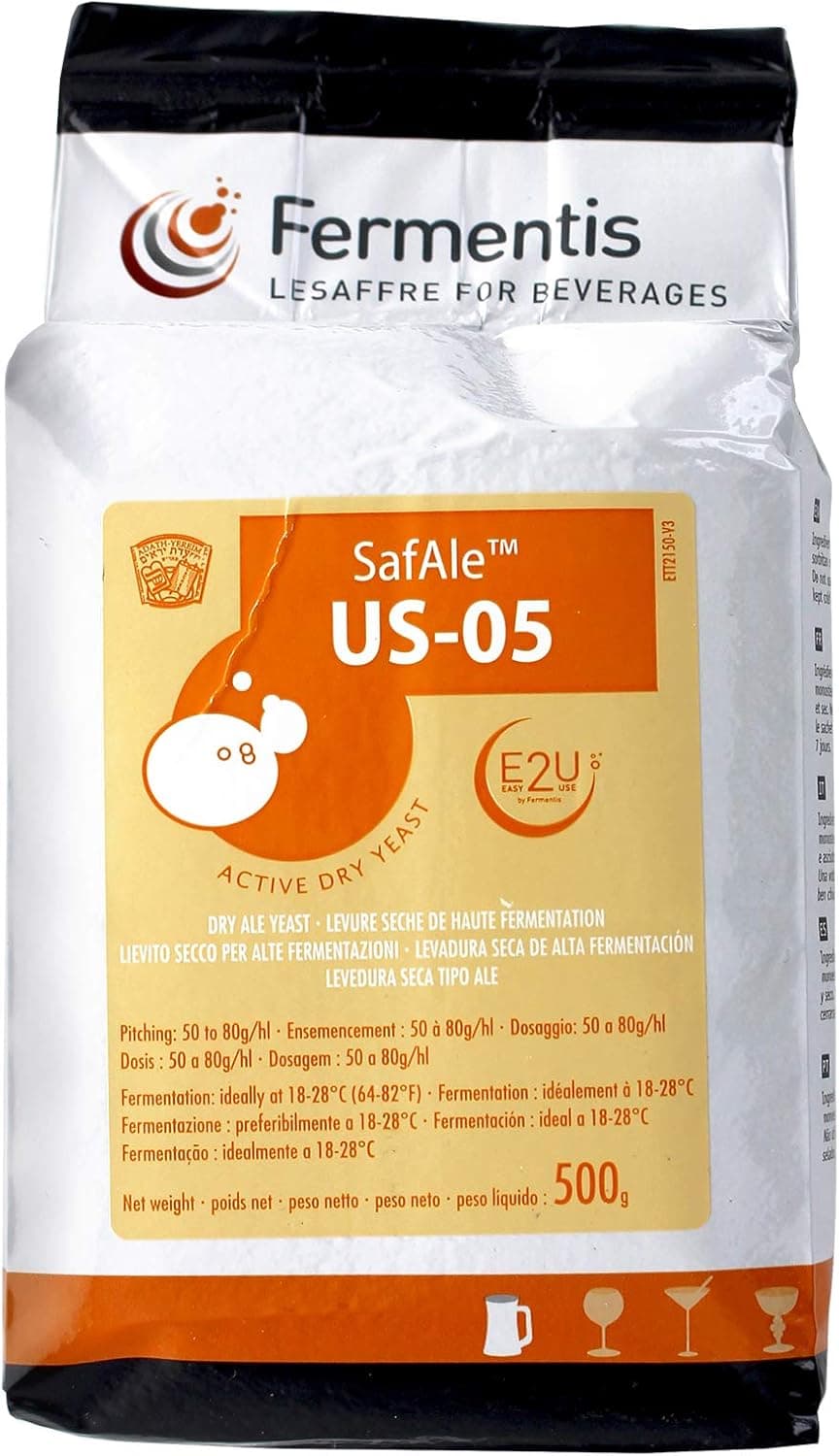
When you shop for brewing yeast you will find it sold in two forms: dry yeast in a foil packet and liquid yeast in a vial or pouch. Both can make excellent beer, and experienced brewers use each depending on the situation. Understanding the practical differences helps you choose the right one for a given recipe and avoid paying for features you do not need.
Dry yeast is dehydrated and packaged in a stable, shelf-friendly form. Its biggest advantages are convenience, long shelf life, and lower cost. A packet stored in the refrigerator stays viable for many months, and it contains a very high number of healthy cells, which often means you can pitch a single packet into a standard batch without making a starter. For many common styles, dry yeast is more than good enough.
The main limitation of dry yeast is variety. Only a portion of the world's brewing strains survive the drying process well, so the selection is narrower. If you want a clean American ale, a workhorse English strain, or a solid lager yeast, you will find excellent dry options. If you are chasing a very specific Belgian, farmhouse, or specialty character, you may not find it in dry form.
Liquid yeast comes in a much wider range of strains, which is its greatest strength. Suppliers offer hundreds of liquid cultures, including many that mimic the house strains of famous breweries. This makes liquid yeast the choice for brewers who want to hit a precise flavor profile or explore unusual styles. Liquid yeast also tends to be sold in strain-specific descriptions that help you match it closely to your recipe.
The trade-offs with liquid yeast are cost, shelf life, and cell count. It is more expensive per pitch, it degrades faster and must be kept cold, and a single package often contains fewer viable cells than a dry packet, especially as it ages. For a standard-strength batch you may need to make a yeast starter to grow enough healthy cells, which adds a day or two of preparation before brew day.
A practical approach is to reach for dry yeast when a suitable strain exists and you value simplicity and cost, and reach for liquid yeast when you need a specific strain that dry forms do not offer. Whichever you choose, check the manufacture or best-by date, store it cold, and pitch a healthy amount of yeast. Good fermentation depends far more on pitching enough viable cells than on which form you started with.
Products from this article
The highest-scoring picks from the buying guides mentioned above. Scores are our editorial assessment, not customer ratings.
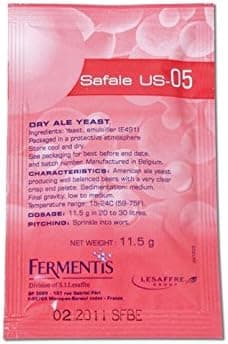
+ Pack of 5 sachets covers several batches of American ale
From our guide: Best Brewing Yeast for Homebrewing (2026)
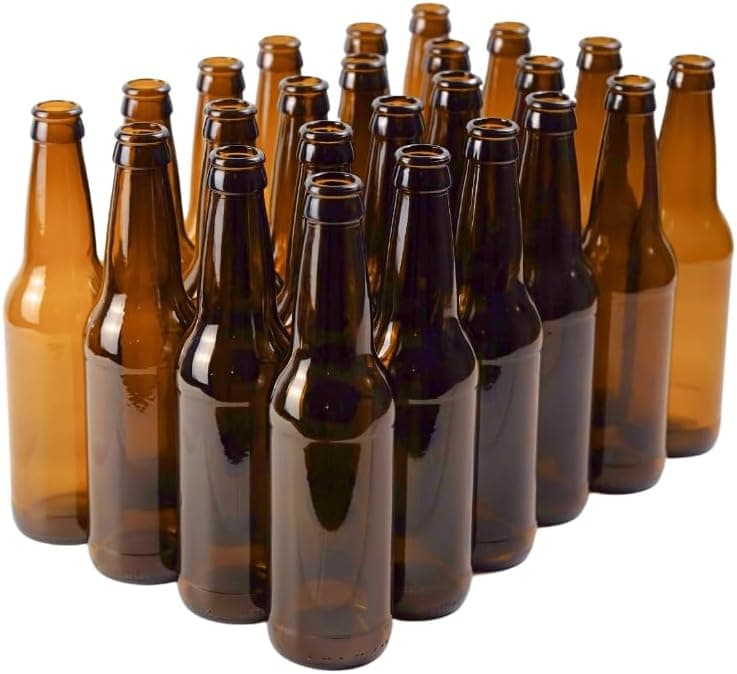
+ Pack of 24 bottles a good chunk of a batch
From our guide: Best Beer Bottles for Homebrew (2026)
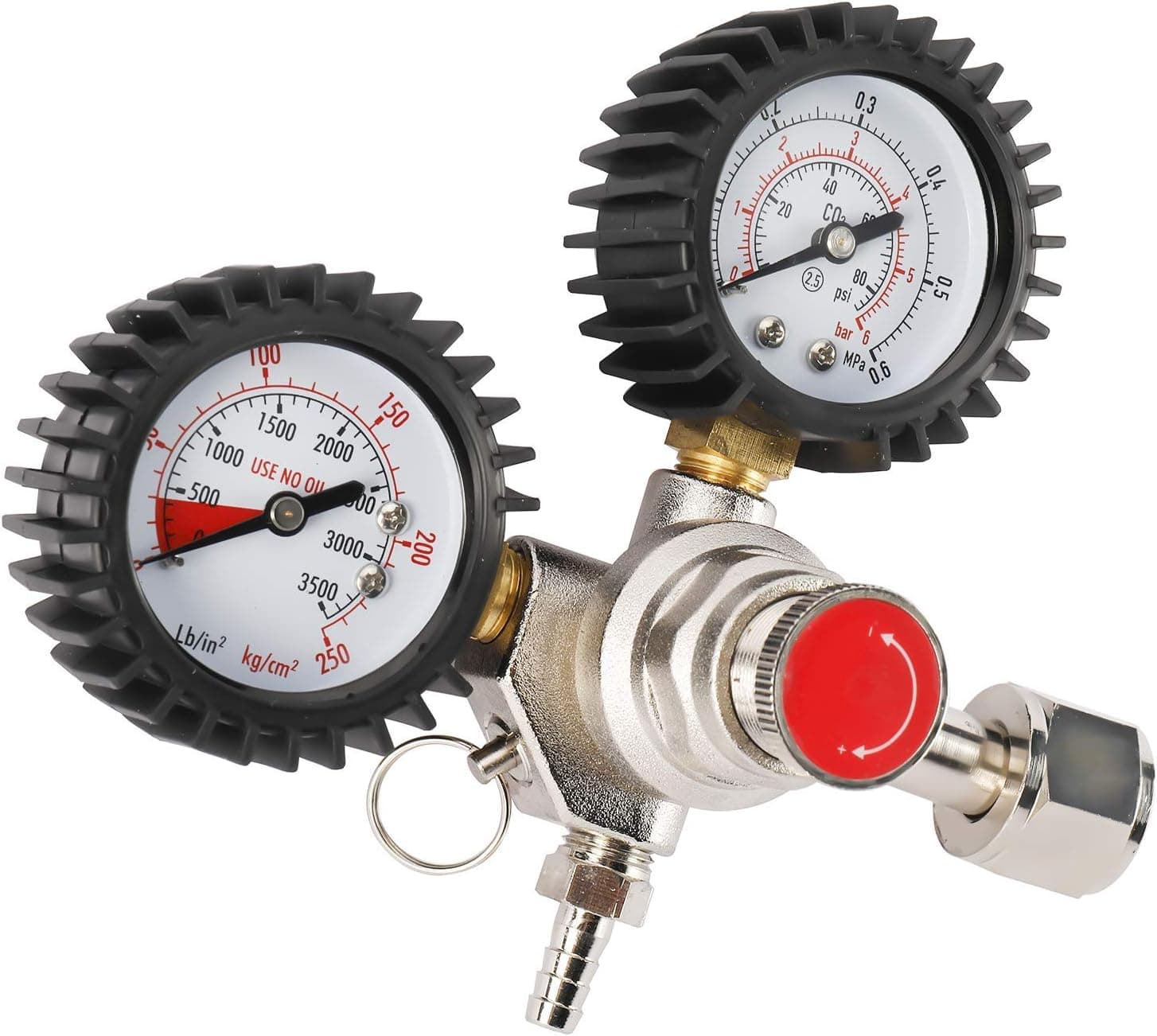
+ Dual gauges show both tank pressure and serving pressure
From our guide: Best CO2 Regulators for Homebrew Kegging (2026)
+ US-05 ferments cleanly and suits a huge range of American ales
From our guide: Best Brewing Yeast for Homebrewing (2026)
Popular right now
- How to Store Hops and Grain ProperlyArticle
- Best Brew in a Bag (BIAB) Bags for Homebrewing (2026)Buying guide
- Cleaning and Sanitizing KitCollection
- Fermentation Temperature ControlCollection
- First Extract Brew KitCollection
- Reading Original and Final Gravity to Calculate ABVArticle
Based on the last 28 days of search and visitor data.