How to Use a Hydrometer in Homebrewing
Published How we research
A hydrometer is a sealed glass float that sinks to a level determined by liquid density, read at the bottom of the meniscus once it settles and stops wobbling from bubbles. Temperature affects accuracy since hydrometers are calibrated to a specific temperature, so use a correction chart for hotter or colder samples. Take a reading before pitching yeast (original gravity) and again at the end (final gravity), subtracting and multiplying by a standard factor to estimate alcohol by volume. Two or three identical readings a few days apart, more reliable than watching the airlock, confirm fermentation is finished. Handle the glass carefully and sanitize it before returning any sample to the batch. A hydrometer is one of the cheapest and most useful tools in the homebrewery. It measures the density of your wort or beer relative to water, which tells you how much sugar is dissolved in it. By taking readings before and after fermentation, you can calculate how much sugar the yeast consumed and estimate the alcohol content. Learning to use one correctly removes a lot of guesswork from brewing.
The tool itself measures liquid density
The tool itself is a sealed glass float with a weighted bottom and a printed paper scale inside the stem. When you place it in a liquid, it sinks to a level determined by that liquid's density. Denser, sugar-rich wort floats the hydrometer higher, while thin, fermented beer lets it sink lower. You read the number where the surface of the liquid crosses the scale.
How to take an accurate reading
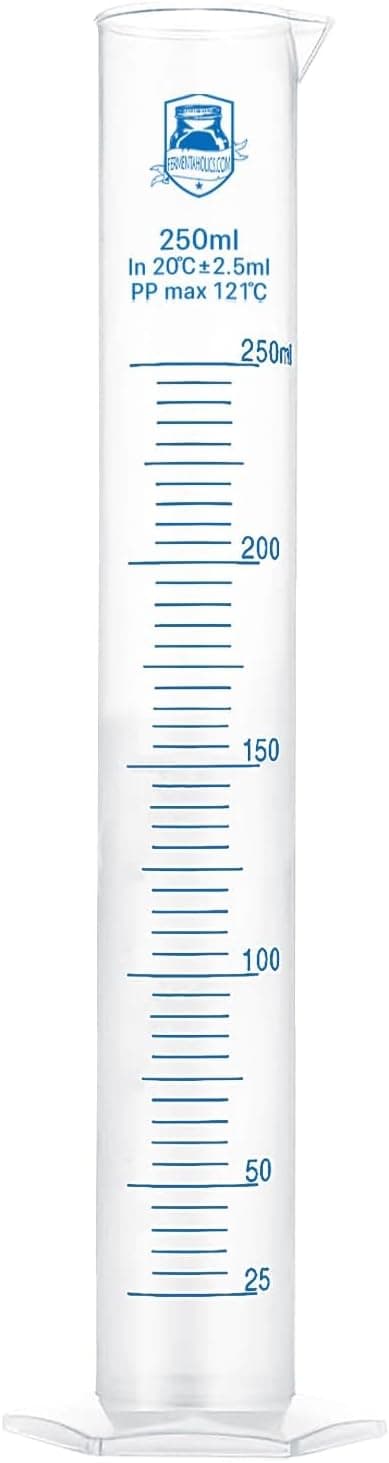
To take a reading, draw a sample of liquid into a tall, narrow container called a test jar, or use the fermenter if it is deep enough. Gently lower the sanitized hydrometer into the sample and give it a light spin to knock off clinging bubbles, which can otherwise buoy it and skew the reading. Let it settle, then bring your eye level with the liquid surface and read the scale at the bottom of the meniscus, the small curve the liquid forms against the glass.
Temperature matters for accuracy
Temperature matters because most hydrometers are calibrated to give accurate readings at a specific temperature, commonly around room temperature. A sample that is much hotter or colder will read slightly off. Many hydrometers include a small correction chart, or you can use an online calculator to adjust the reading based on your sample temperature. For rough tracking during fermentation this correction is minor, but for your final alcohol calculation it is worth doing.
Original and final gravity tell the fermentation story
The reading before you pitch yeast is your original gravity, and the stable reading at the end is your final gravity. Subtract the final from the original and multiply by a standard factor to estimate alcohol by volume. When two or three readings taken a few days apart are identical, fermentation is finished and the beer is ready to package. This is a far more reliable signal than watching the airlock, which can mislead you.
Handle the hydrometer with care
Keep your hydrometer clean and handle it carefully, because the thin glass breaks easily. Always sanitize it before it touches beer you plan to return to the batch, though many brewers simply discard the small test sample to avoid any contamination risk. With a little practice, taking a gravity reading becomes second nature and gives you real data about what your yeast is doing.
Frequently asked questions
How do you read a hydrometer accurately? Lower the sanitized hydrometer into the sample, give it a light spin to knock off clinging bubbles, let it settle, then bring your eye level with the liquid and read the scale at the bottom of the meniscus.
Why does temperature affect a hydrometer reading? Most hydrometers are calibrated for accuracy at a specific temperature, commonly room temperature, so a much hotter or colder sample will read slightly off unless you apply a correction.
How do you know when fermentation is finished using a hydrometer? When two or three gravity readings taken a few days apart are identical, fermentation is finished, which is a far more reliable signal than watching the airlock.
How do you calculate alcohol by volume with a hydrometer? Subtract the final gravity reading from the original gravity reading and multiply the difference by a standard factor to estimate the beer's alcohol by volume.
Products from this article
The highest-scoring picks from the buying guides mentioned above. Scores are our editorial assessment, not customer ratings.
+ 250 ML capacity floats most standard hydrometers
From our guide: Best Test Jars for Homebrew Hydrometer Samples (2026)
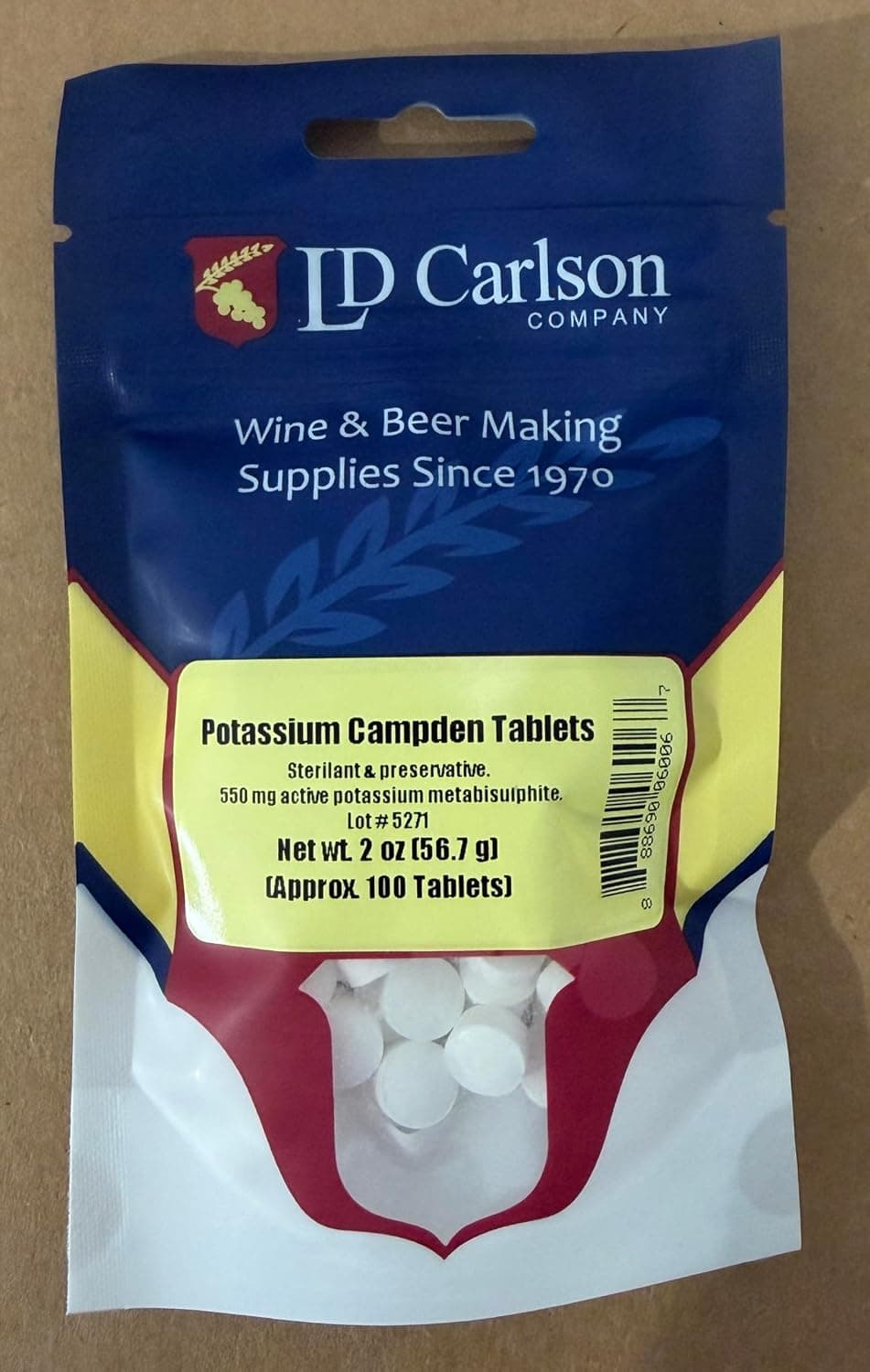
+ 550 mg per tablet makes dosing calculations straightforward
From our guide: Best Campden Tablets for Home Winemaking and Brewing (2026)
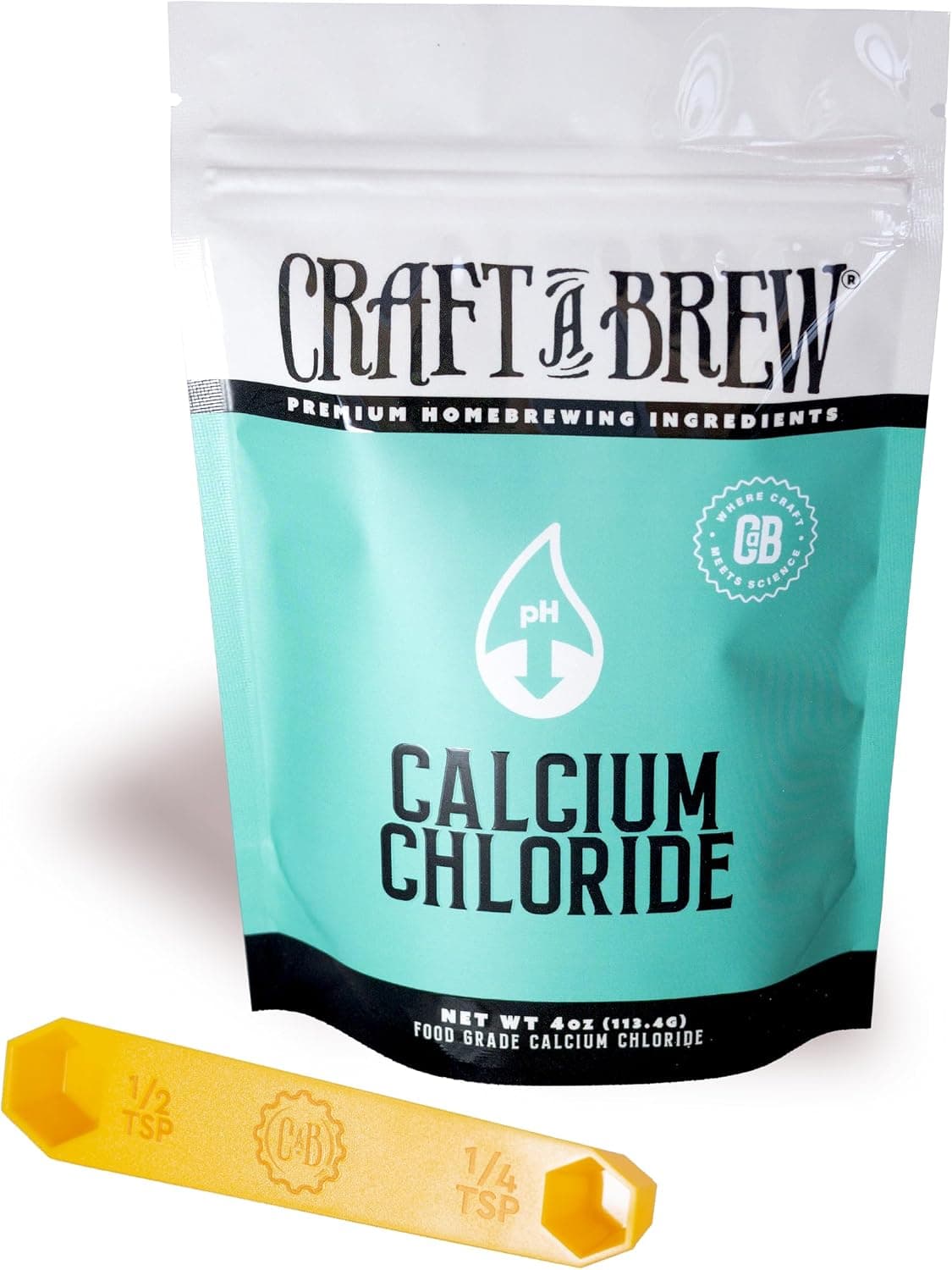
+ Calcium chloride rounds out malt character in hazy IPAs and stouts
From our guide: Best Water Treatment Salts for Homebrewing (2026)
+ 14" height lets long hydrometers float without touching bottom
From our guide: Best Test Jars for Homebrew Hydrometer Samples (2026)

Popular right now
- How to Store Hops and Grain ProperlyArticle
- Best Brew in a Bag (BIAB) Bags for Homebrewing (2026)Buying guide
- Cleaning and Sanitizing KitCollection
- Fermentation Temperature ControlCollection
- First Extract Brew KitCollection
- Reading Original and Final Gravity to Calculate ABVArticle
Based on the last 28 days of search and visitor data.