Kombucha Basics for Beginners
Published How we research
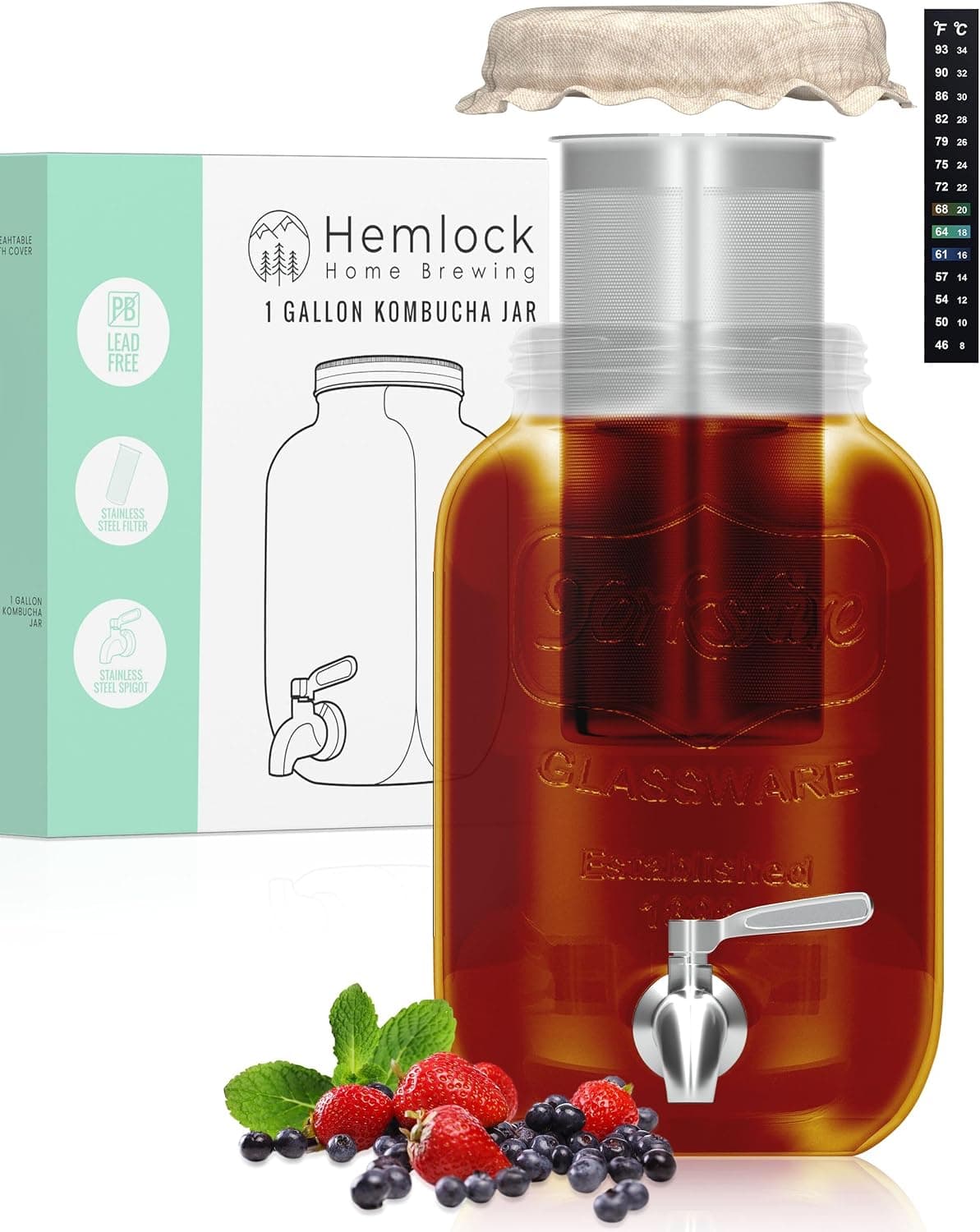
Kombucha is a lightly fermented, tangy tea that has become a popular home fermentation project alongside beer and cider. It is made by fermenting sweetened tea with a culture of bacteria and yeast, which transforms the sweet liquid into a refreshing, slightly sour drink. Brewing it at home is inexpensive and approachable, and it introduces you to fermentation without any specialized equipment.
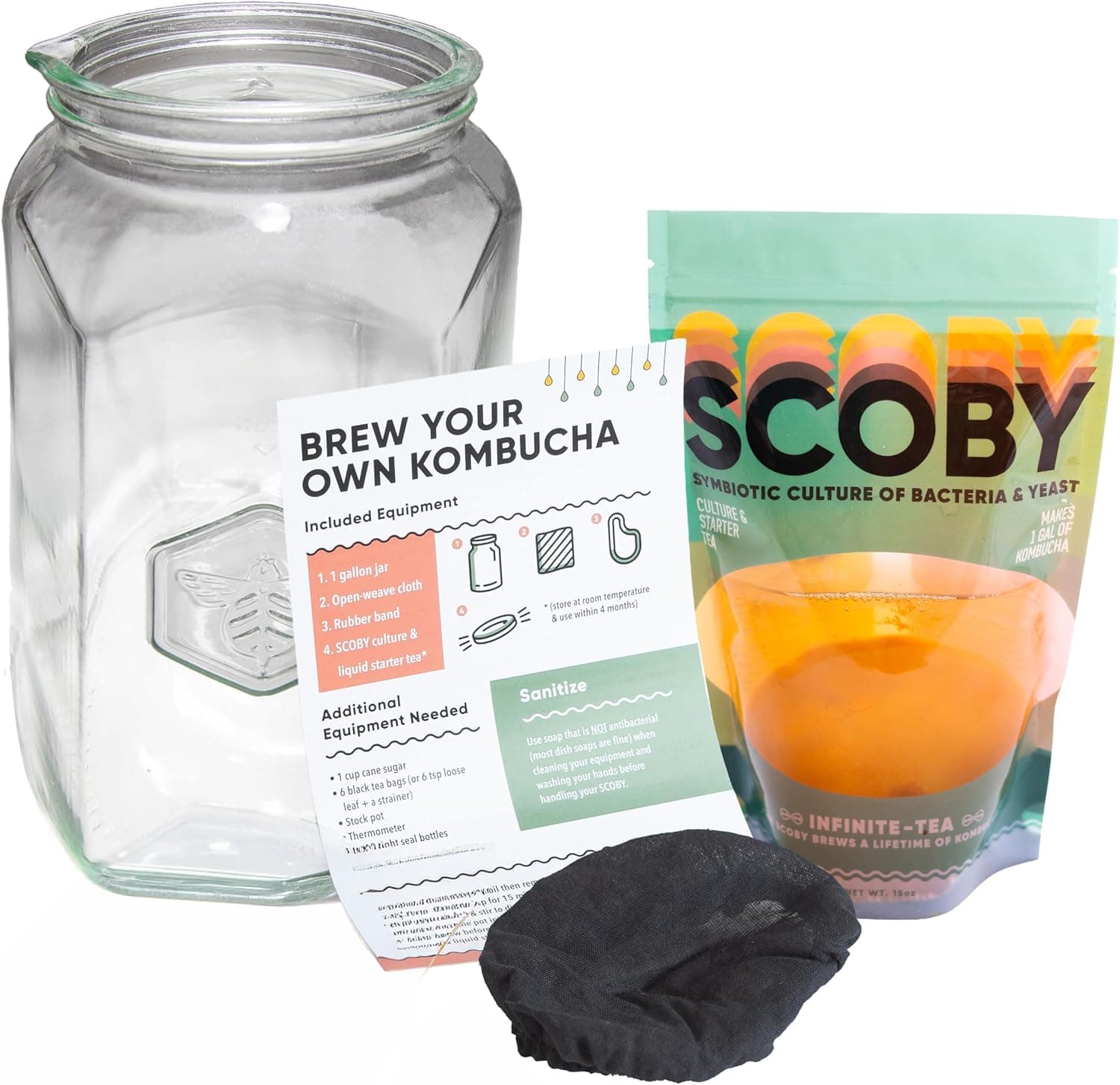
At the heart of kombucha is the SCOBY, an acronym for symbiotic culture of bacteria and yeast. It appears as a rubbery, pancake-like disc that floats in the brew. The bacteria and yeast in the SCOBY work together: the yeast ferments the sugar into a small amount of alcohol and carbon dioxide, and the bacteria convert that into acids that give kombucha its characteristic tartness. You also need some mature, acidic starter liquid from a previous batch to protect the new brew.
The base is simply sweetened tea. You brew a strong batch of plain black or green tea, dissolve in sugar while it is hot, then let it cool to room temperature. The sugar is essential food for the culture and is largely consumed during fermentation, so the finished drink is far less sweet than the starting tea. Avoid flavored or oiled teas for the main ferment, as additives can harm the culture.
Once the sweet tea has cooled, you combine it with the SCOBY and starter liquid in a clean glass vessel, cover the top with a tightly woven cloth secured with a band, and let it ferment at room temperature. The cloth keeps out insects and dust while letting the culture breathe. Over one to two weeks the tea gradually sours; you taste it periodically and stop when the balance of sweet and tart suits you.
Many people then do a second fermentation to add flavor and fizz. You remove the SCOBY, bottle the kombucha with a little fruit, juice, or ginger, and seal it for a few days at room temperature. The remaining yeast ferments the added sugars and builds carbonation in the sealed bottle. Because pressure builds up, use bottles made for carbonated drinks and burp or check them to avoid over-pressurizing.
Cleanliness and a healthy, acidic culture are your main safeguards. The low pH of kombucha discourages harmful organisms, so always keep enough starter liquid and watch for anything that looks or smells clearly wrong, such as fuzzy mold. Kombucha does produce a small amount of alcohol as a natural part of fermentation. With clean practices and a little patience, you can keep a continuous supply of homemade kombucha going indefinitely.
Products from this article
The highest-scoring picks from the buying guides mentioned above. Scores are our editorial assessment, not customer ratings.
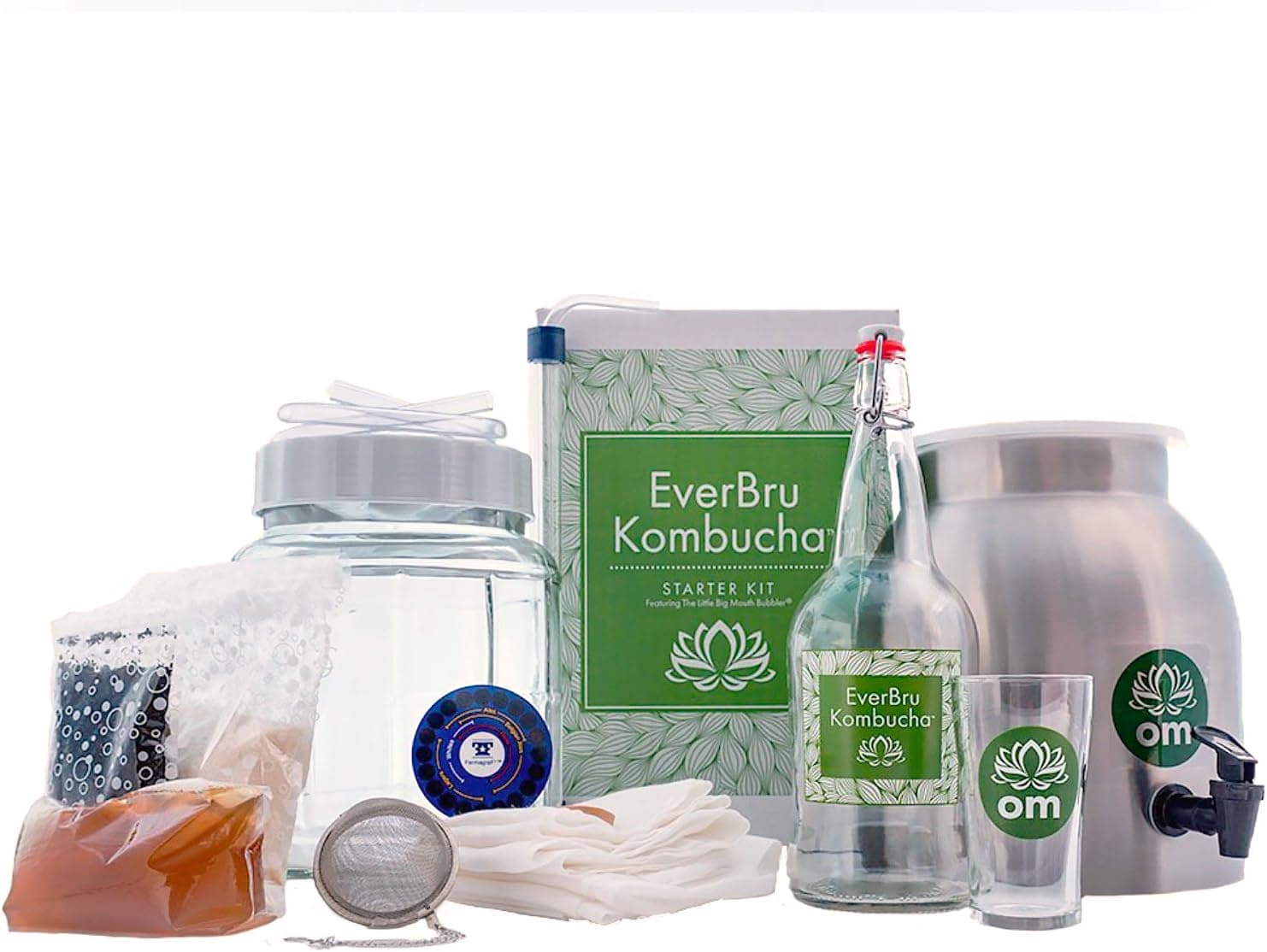
+ SCOBY included, so there is no need to grow a culture from scratch
From our guide: Best Kombucha Brewing Kits for Beginners (2026)
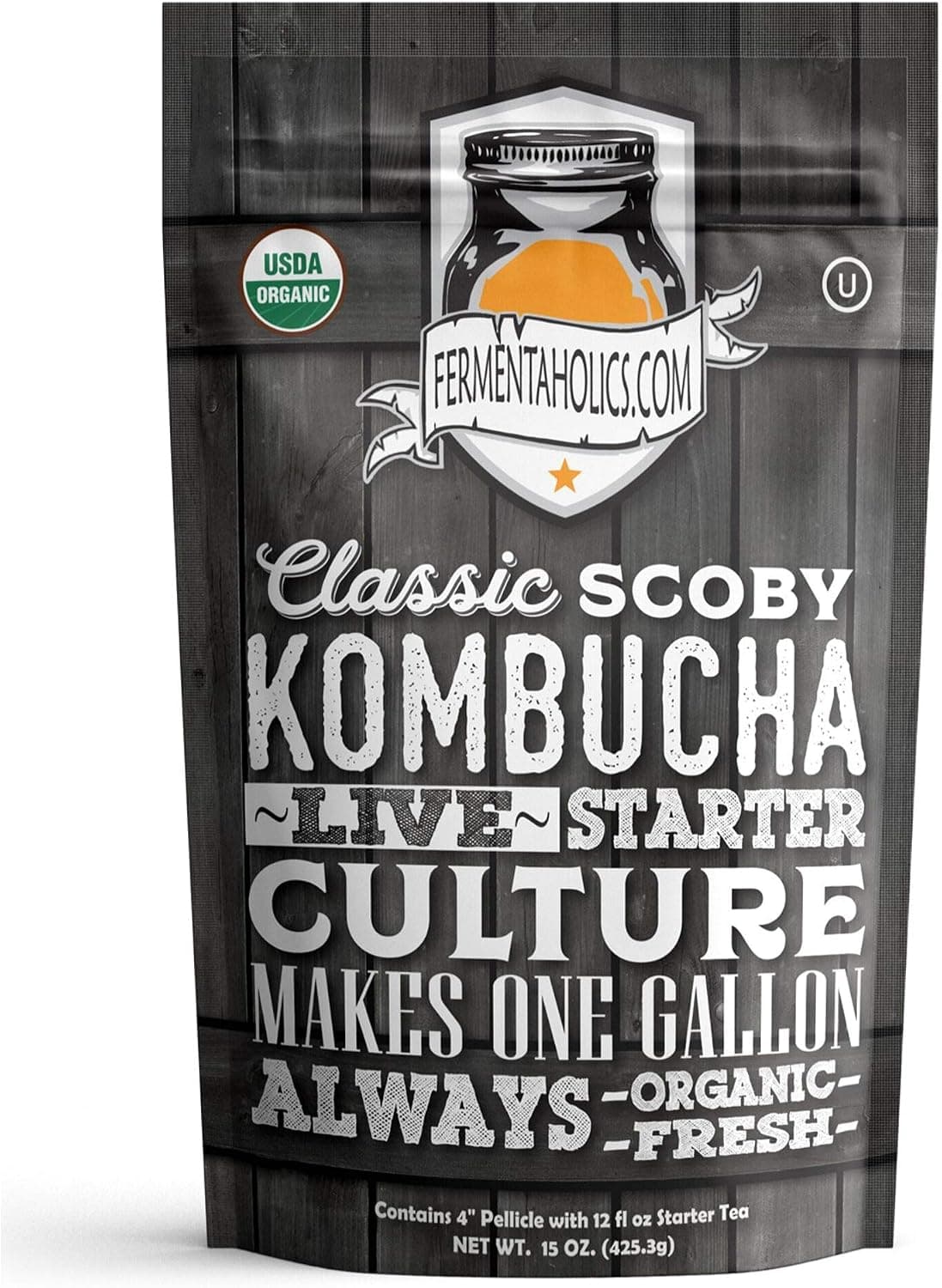
+ 12oz starter tea helps acidify the first batch safely
From our guide: Best Kombucha SCOBY Starter Cultures
+ Pack of 5 sachets covers several batches of American ale
From our guide: Best Brewing Yeast for Homebrewing (2026)
+ Basic kit includes the essentials, SCOBY and jar
From our guide: Best Kombucha Brewing Kits for Beginners (2026)
Popular right now
- How to Store Hops and Grain ProperlyArticle
- Best Brew in a Bag (BIAB) Bags for Homebrewing (2026)Buying guide
- Cleaning and Sanitizing KitCollection
- Fermentation Temperature ControlCollection
- First Extract Brew KitCollection
- Reading Original and Final Gravity to Calculate ABVArticle
Based on the last 28 days of search and visitor data.