Reading Original and Final Gravity to Calculate ABV
Published How we research

Original gravity, measured before pitching yeast, reflects total dissolved sugar available for fermentation; higher OG generally means a stronger beer. Final gravity, measured after fermentation, is always higher than plain water since beer retains unfermentable sugars for body. Confirm fermentation is complete with two stable readings a few days apart rather than trusting the airlock. Calculate ABV by subtracting final from original gravity and multiplying by about 131.3. The gap between OG and FG also reveals attenuation, the percentage of sugar fermented, with high attenuation giving a drier beer and low attenuation more residual sweetness. Original gravity and final gravity are two of the most important numbers you will record when brewing a batch. Together they tell the story of your fermentation: how much sugar you started with, how much the yeast consumed, and roughly how strong the finished beer is. Once you understand what these numbers represent, reading them becomes a simple and rewarding part of every brew.
Original gravity reflects available sugar before fermentation
Original gravity, often abbreviated as OG, is the density of your wort measured just before you pitch the yeast. It reflects the total amount of dissolved sugar the yeast will have available to ferment. A higher original gravity means more sugar, which generally leads to a stronger beer. You measure it with a hydrometer or a refractometer after the wort has cooled and been thoroughly mixed so the sample is representative.
Final gravity is measured after fermentation completes
Final gravity, or FG, is the density measured after fermentation has finished. By this point the yeast has converted most of the fermentable sugar into alcohol and carbon dioxide, so the liquid is much less dense than it was at the start. Final gravity is never as low as plain water, because beer always retains some unfermentable sugars and other compounds that give it body and mouthfeel.
Confirming fermentation is truly complete
To know that fermentation is truly complete, take a gravity reading and then take another two or three days later. If the number has not changed, the yeast has finished its work and the beer has reached its stable final gravity. Relying on this stability, rather than on how long the airlock has been quiet, prevents you from bottling too early and risking dangerous over-carbonation.
Calculating alcohol by volume from the two numbers
Calculating alcohol by volume from these two numbers is straightforward. Subtract the final gravity from the original gravity and multiply the difference by a standard conversion factor of about one hundred thirty-one point three. The result is your approximate alcohol by volume as a percentage. This is an estimate rather than a laboratory-grade measurement, but it is accurate enough for homebrewing and lets you compare batches.
The gap between OG and FG reveals attenuation
The gap between your original and final gravity also tells you about attenuation, which is the percentage of sugar the yeast fermented. High attenuation gives a drier, crisper beer, while lower attenuation leaves more residual sweetness and body. By recording OG and FG for every batch in a brewing log, you build a personal database that helps you predict and control the character of future beers.
Frequently asked questions
What is original gravity in brewing? The density of your wort measured just before you pitch the yeast, reflecting the total amount of dissolved sugar the yeast will have available to ferment.
Why is final gravity never as low as water? Because beer always retains some unfermentable sugars and other compounds that give it body and mouthfeel, even after the yeast has converted most of the fermentable sugar.
What is the formula for calculating ABV from gravity readings? Subtract the final gravity from the original gravity and multiply the difference by a standard conversion factor of about one hundred thirty-one point three.
What does attenuation mean in brewing? The percentage of sugar the yeast fermented, shown by the gap between original and final gravity; high attenuation gives a drier, crisper beer while lower attenuation leaves more residual sweetness.
Products from this article
The highest-scoring picks from the buying guides mentioned above. Scores are our editorial assessment, not customer ratings.
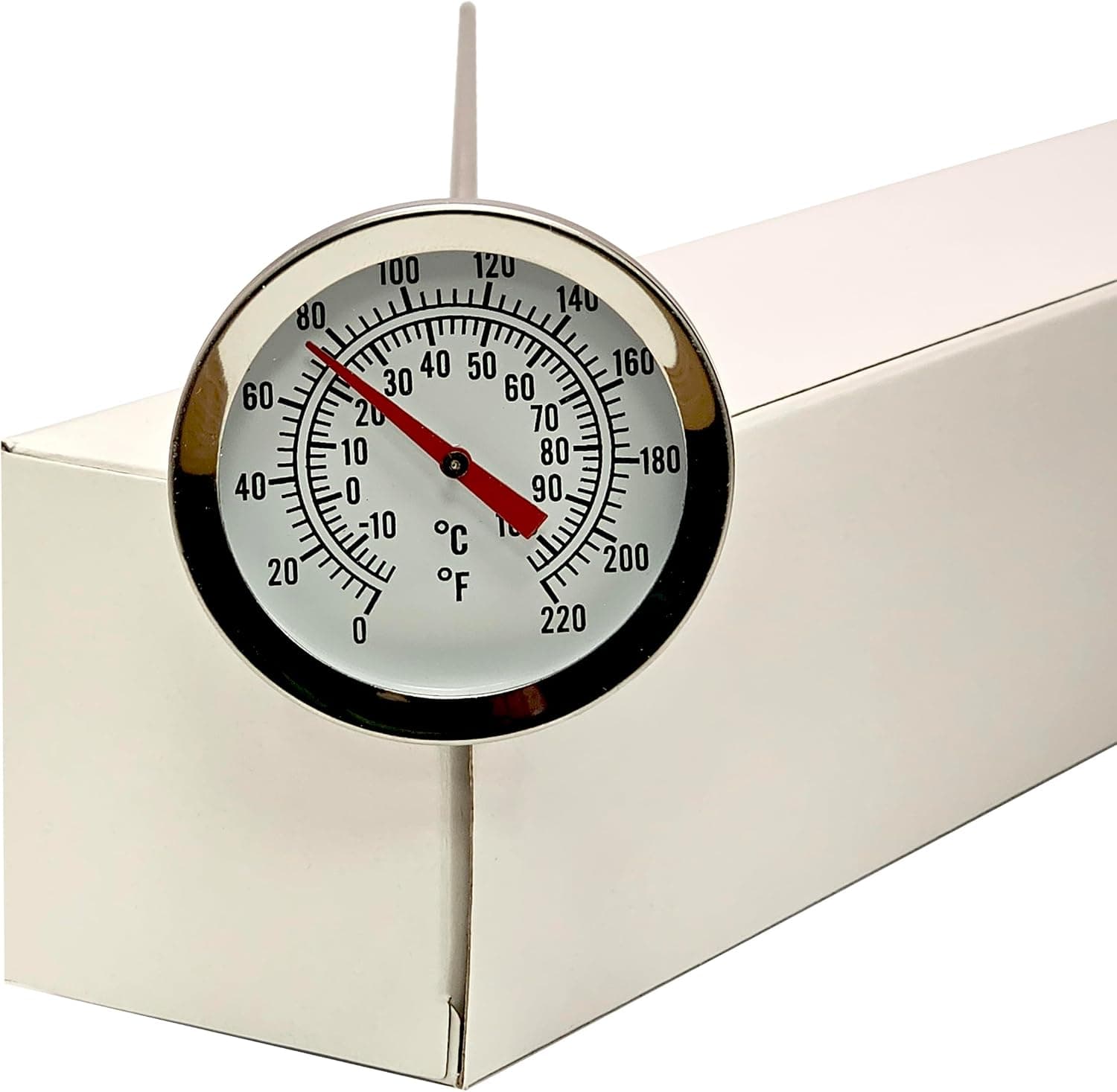
+ 12" probe reaches the center of deep mashes for true readings
From our guide: Best Brewing Thermometers for Homebrew (2026)
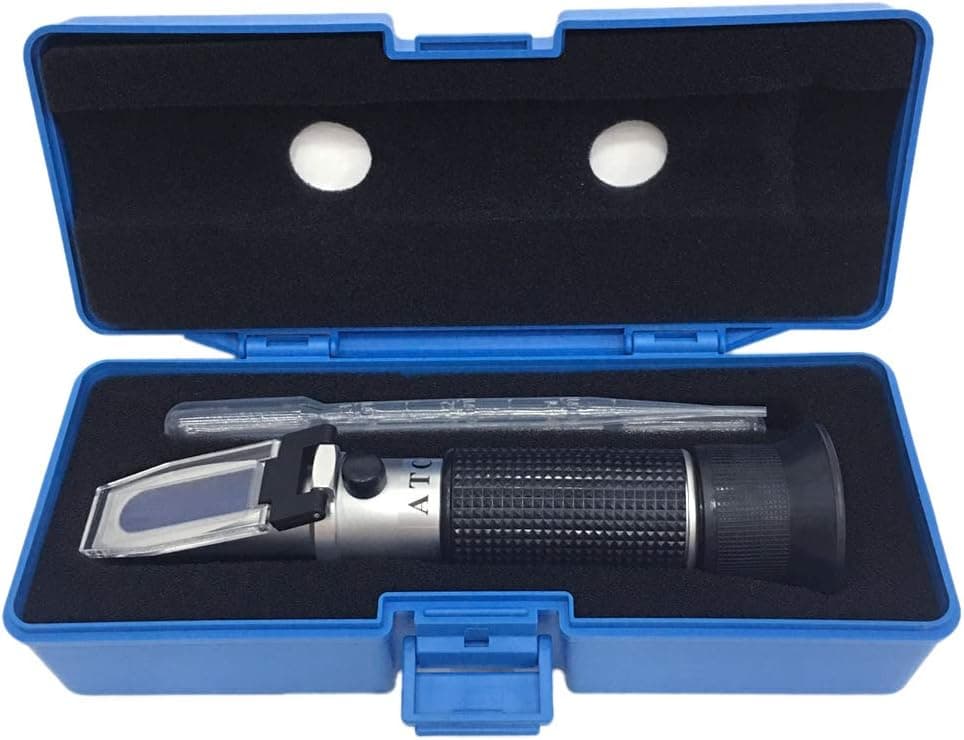
+ Needs only a few drops of wort, so no big samples are wasted
From our guide: Best Refractometers for Homebrew (2026)
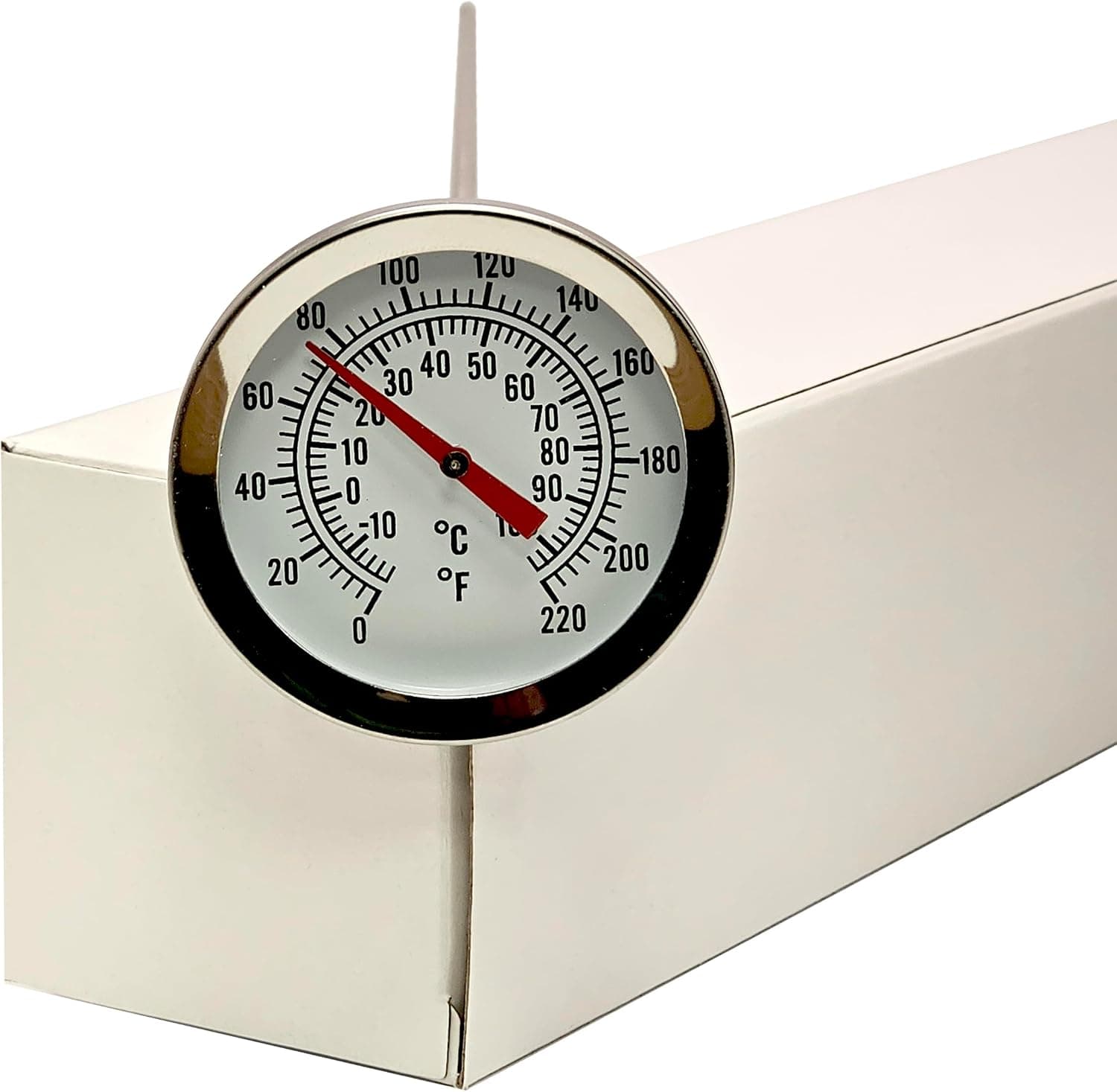
+ 12" SS probe reaches deep into large kettles and mash tuns
From our guide: Best Brewing Thermometers for Homebrew (2026)
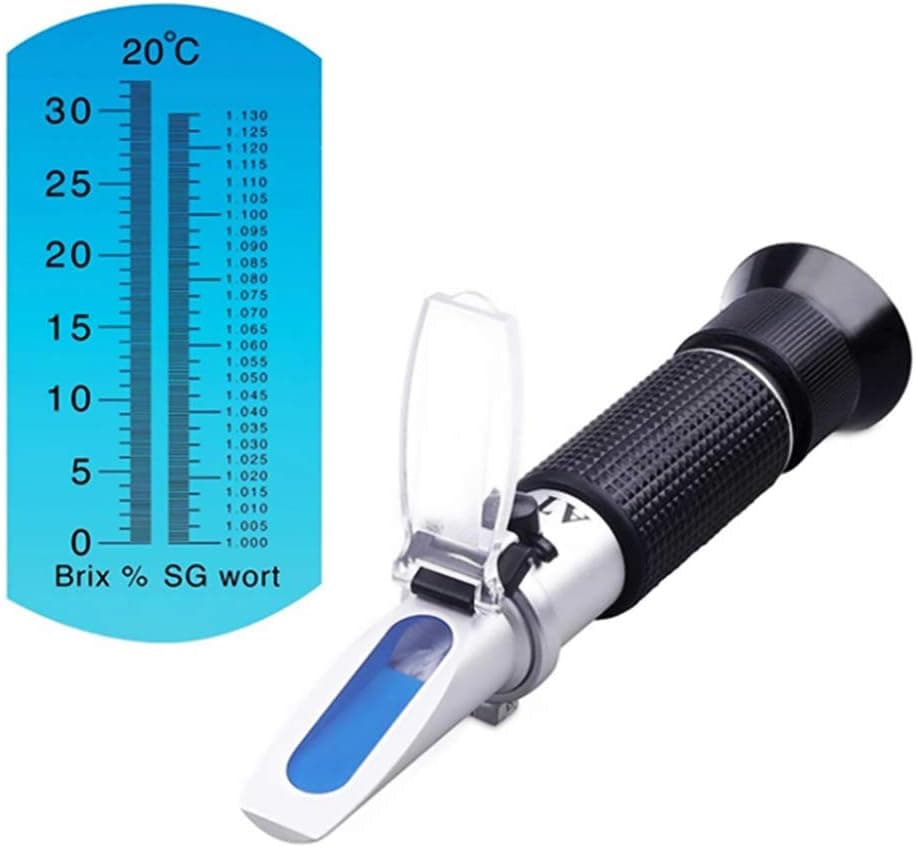
+ SG 1.000-1.130 range covers most beer and wine starting gravities
From our guide: Best Refractometers for Homebrew (2026)
Popular right now
- How to Store Hops and Grain ProperlyArticle
- Best Brew in a Bag (BIAB) Bags for Homebrewing (2026)Buying guide
- Cleaning and Sanitizing KitCollection
- Fermentation Temperature ControlCollection
- First Extract Brew KitCollection
- Priming Sugar Amounts for Bottle ConditioningArticle
Based on the last 28 days of search and visitor data.