Extract vs All-Grain Brewing
Published How we research
Every new brewer eventually faces the same fork in the road: stick with malt extract or move up to all-grain brewing. Both methods produce excellent beer, and neither is objectively better. The right choice depends on your budget, the space you have, the time you can commit, and how much control you want over the finished product. Understanding the trade-offs early will save you frustration later.
Extract brewing uses concentrated malt sugars that have already been produced from grain at a maltster or extract facility. You dissolve liquid or dry malt extract into your brewing water, add hops during the boil, and ferment. Because the hardest step, converting grain starch into fermentable sugar, is done for you, extract brewing is faster and requires less equipment. A typical extract batch can be finished in two to three hours, and the smaller kettle needed fits on many kitchen stoves.
All-grain brewing starts from raw malted barley and other grains. You mash the crushed grain in hot water to convert its starches to sugar, then rinse the grain bed in a step called sparging to collect the sweet wort. This gives you complete control over the grain bill, the mash temperature, and therefore the body and fermentability of the beer. It also costs less per batch once you own the gear, since bulk grain is cheaper than extract.
The main downsides of all-grain are time and equipment. A full brew day often runs four to six hours and needs a mash tun, a larger kettle, and usually a way to heat and move more liquid. All-grain also introduces more variables that can go wrong, such as a stuck sparge or missing your target mash temperature. For brewers who enjoy the process and want to fine-tune recipes, that added complexity is part of the appeal rather than a burden.
Many brewers use a middle path called partial mash or mini-mash, which combines a small amount of specialty grain with extract. This lets you experiment with mashing on a small scale before committing to a full all-grain rig. It is a low-risk way to learn the steps and decide whether the extra effort is worth it for you.
If you are just starting out, there is no shame in brewing several extract batches first. You will learn sanitation, fermentation control, and packaging without juggling too many variables at once. When you find yourself wanting more control over flavor and body, or wanting to lower your cost per batch, all-grain will be waiting. The skills you build early carry over completely.
Products from this article
The highest-scoring picks from the buying guides mentioned above. Scores are our editorial assessment, not customer ratings.
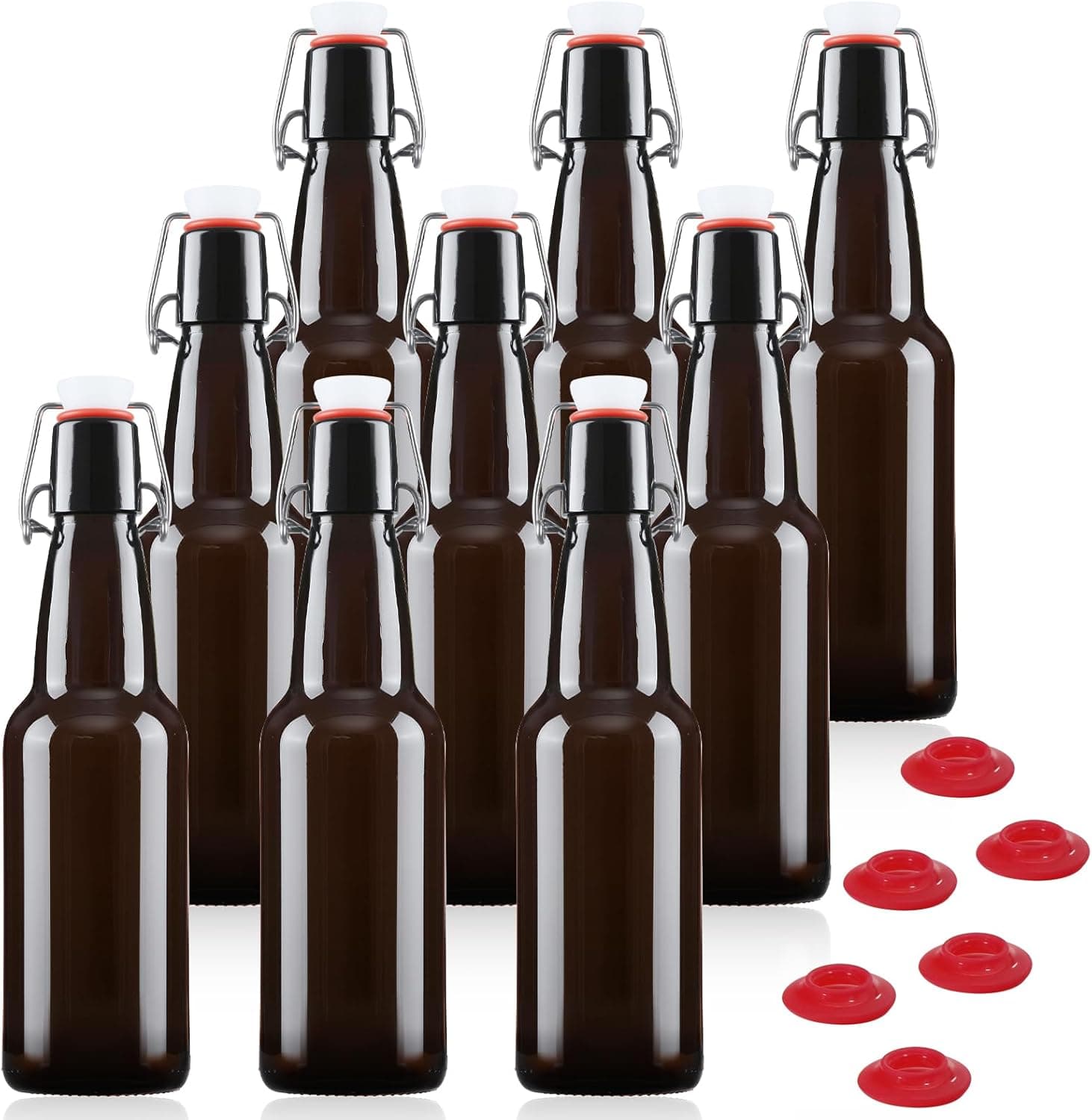
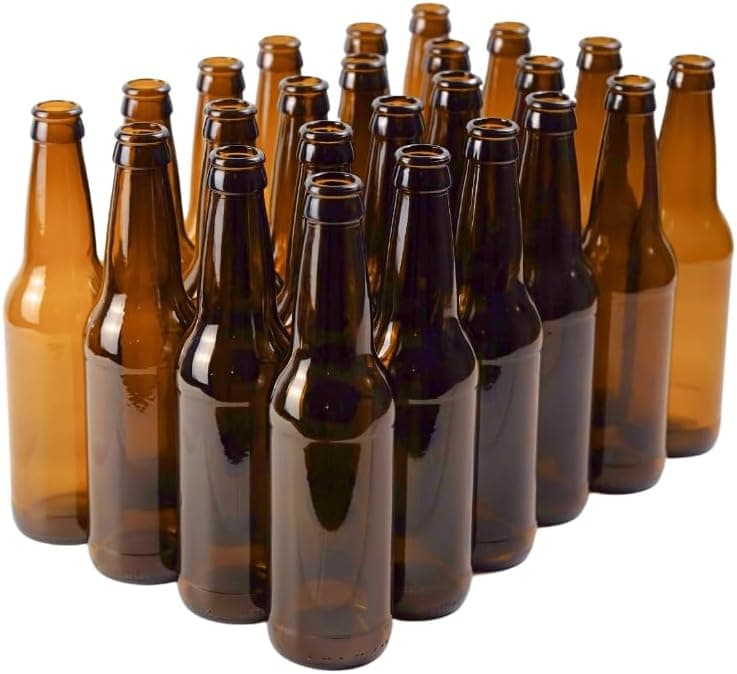
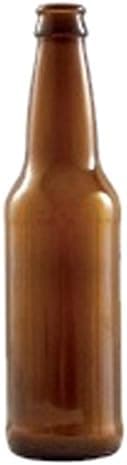
+ Pack of 24 bottles a good chunk of a batch
From our guide: Best Beer Bottles for Homebrew (2026)
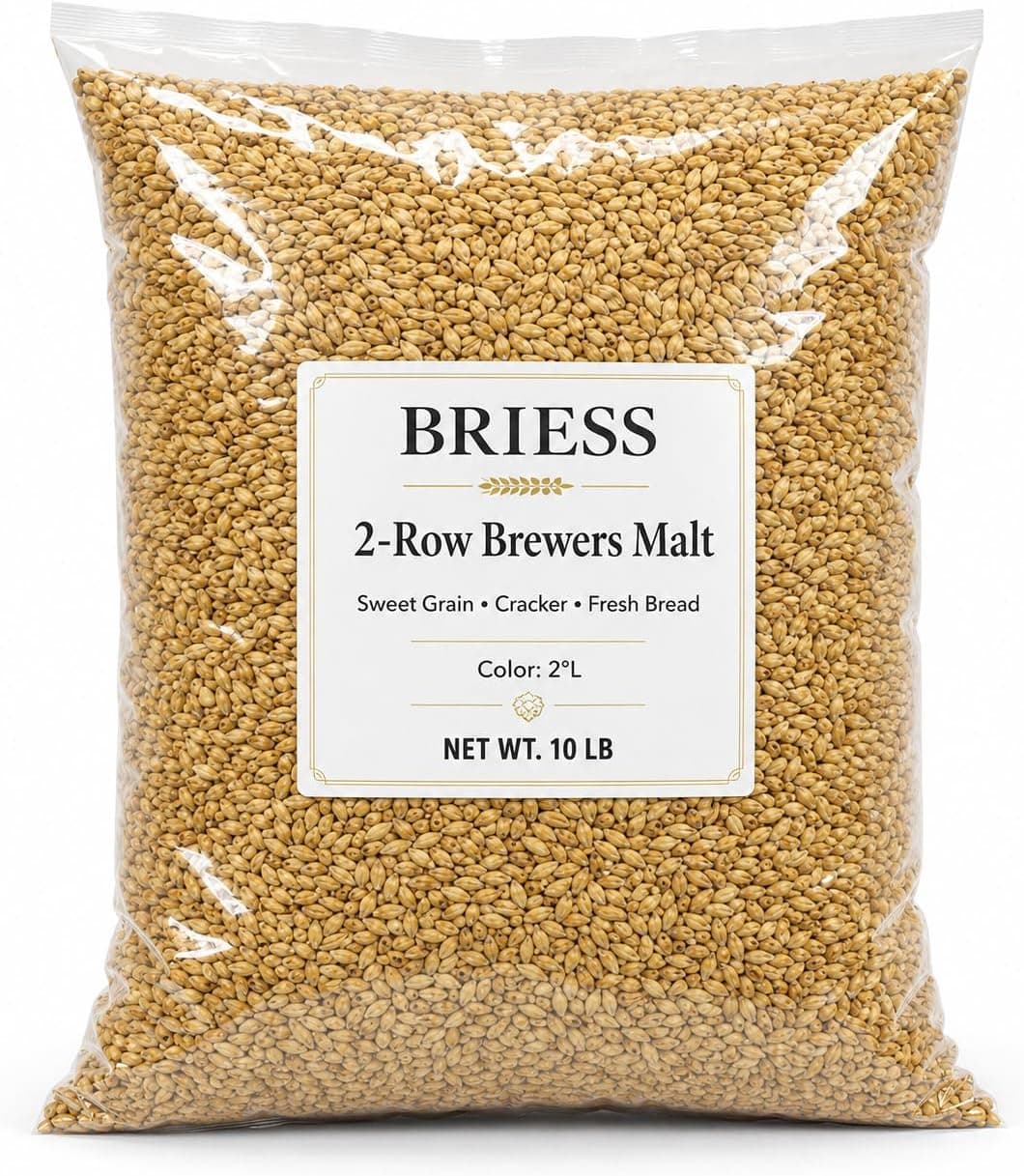
+ 1.8L color keeps pale ales and lagers light and bright
From our guide: Best Brewing Grains for Homebrewing (2026)
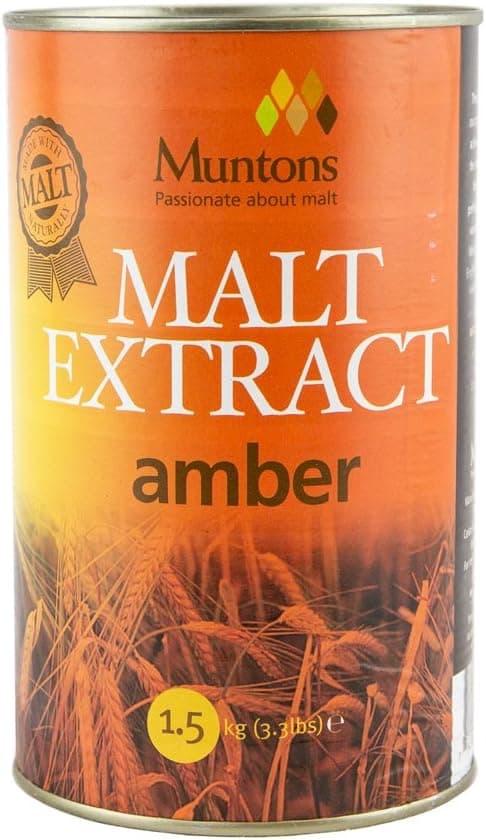
+ Pack of 2 cans gives enough extract for a typical batch of amber ale
From our guide: Best Malt Extract for Homebrewing (2026)
+ Case of 24 is a practical unit for bottling a batch
From our guide: Best Beer Bottles for Homebrew (2026)
At a glance: Extract brewing vs Full-grain brewing
| Extract brewing | Full-grain brewing | |
|---|---|---|
| Brew day | About 2-3 hours | About 4-6 hours |
| Equipment | Kettle, fermenter, basics | Adds a mash vessel or bag and more heat |
| Recipe control | Limited by extract types | Full control |
| Cost per batch | Higher ingredient cost | Lower ingredient cost |
| Consistency | Very repeatable | Depends on process |
| Learning curve | Gentle | Steeper |
Choose Extract brewing if
- You are brewing for the first time
- Brew day time is limited
- You brew in a small kitchen
Choose Full-grain brewing if
- You want to design your own recipes
- You brew regularly and want lower costs
- You enjoy the process
Bottom line: Start with extract to learn sanitation and fermentation, which matter most. Move to brew-in-a-bag when you want recipe control without a big equipment jump.
Popular right now
- How to Store Hops and Grain ProperlyArticle
- Best Brew in a Bag (BIAB) Bags for Homebrewing (2026)Buying guide
- Cleaning and Sanitizing KitCollection
- Fermentation Temperature ControlCollection
- First Extract Brew KitCollection
- Reading Original and Final Gravity to Calculate ABVArticle
Based on the last 28 days of search and visitor data.