How to Restart a Stuck Homebrew Fermentation
Published How we research
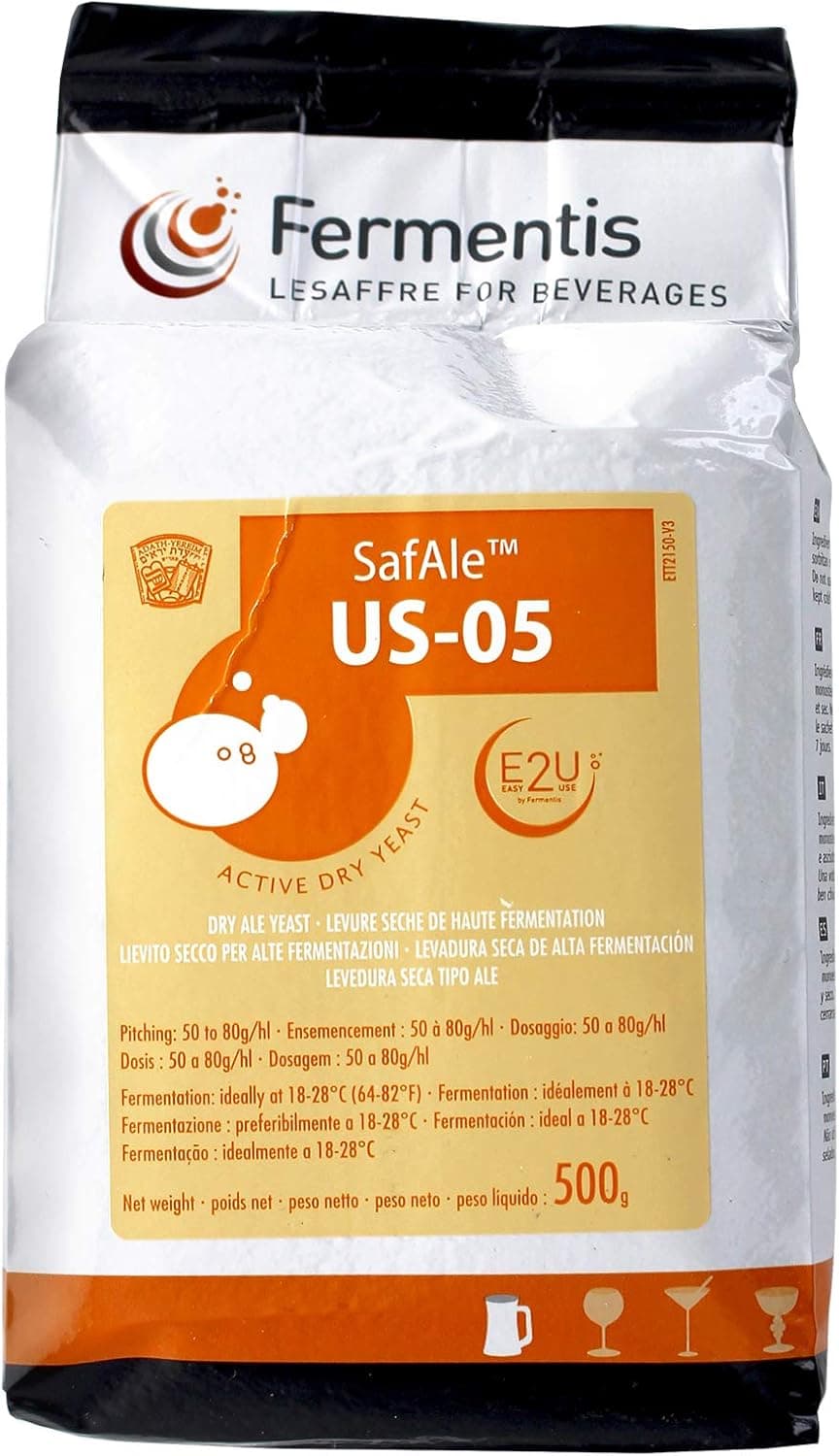
A stuck fermentation happens when yeast stops working before reaching the expected final gravity, leaving beer sweet and under-attenuated. Before bottling, it is important to confirm whether fermentation is truly stuck, because bottling beer with remaining fermentable sugars can cause over-carbonation. Most stuck fermentations can be restarted.
Confirm it is stuck
Take gravity readings a few days apart. If the reading stays the same over several days and is well above the recipe's expected final gravity, fermentation may be stuck.
Check that your hydrometer reading is temperature corrected. Refractometer readings during and after fermentation must be adjusted for alcohol, otherwise they appear falsely high.
Warm the fermenter
Yeast slows when temperatures drop, which often happens after the vigorous stage of fermentation ends and the beer cools. Moving the fermenter somewhere warmer, within the yeast's range, can help it finish.
Gently swirling the fermenter to rouse yeast back into suspension can also restart fermentation. Avoid splashing, which introduces oxygen after fermentation.
Consider recipe and mash factors
Mashing at higher temperatures creates more unfermentable sugars, leading to a higher final gravity. Extract brews and recipes with lots of crystal malt also finish higher.
If the recipe design expects a sweeter finish, the beer may not actually be stuck. Compare readings with expected attenuation for your yeast and grain bill.
Pitch fresh yeast
High-gravity beers can stress yeast. Pitching an active yeast starter or a highly attenuative yeast strain, such as a clean ale yeast or champagne yeast for very strong beers, can finish fermentation.
Pitch at active fermentation stage when possible, rather than adding dormant yeast directly into alcoholic beer. Follow manufacturer's guidance for re-pitching.
Prevent future stuck fermentations
Pitch enough healthy yeast, aerate wort well before pitching and control fermentation temperature. Yeast nutrients can help with high-gravity beers and meads.
Measure mash temperature accurately with a calibrated thermometer, and keep good brew records. Tracking results helps adjust recipes and processes over time.
Decide whether to package or wait
If the beer tastes good and the gravity has been stable for a week or more at a suitable temperature, it may simply be finished, even if it is a few points above the recipe estimate. Many extract beers finish higher than predicted without any problem.
If the gravity is far above target and the beer tastes noticeably sweet, do not bottle it yet. Remaining sugar can ferment in the bottle and create dangerous pressure, so wait for stable readings, try the restart steps and consider kegging, where pressure can be monitored and released safely.
Products from this article
The highest-scoring picks from the buying guides mentioned above. Scores are our editorial assessment, not customer ratings.
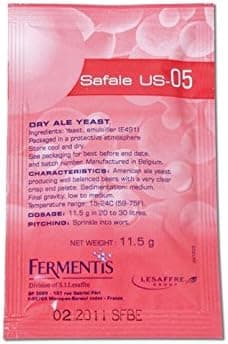
+ Pack of 5 sachets covers several batches of American ale
From our guide: Best Brewing Yeast for Homebrewing (2026)
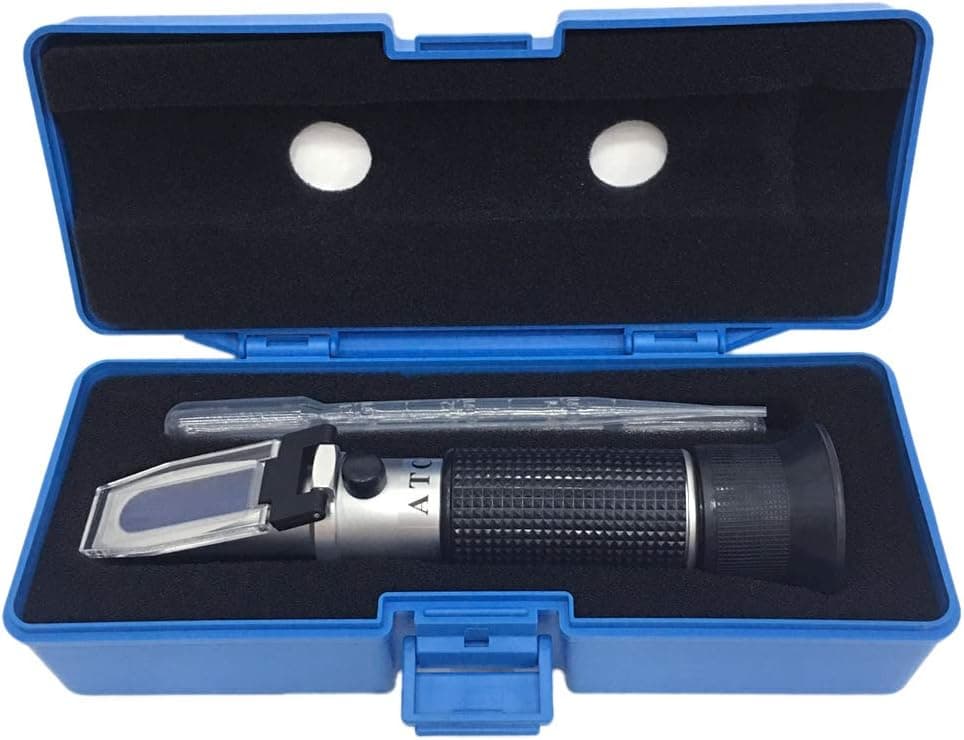
+ Needs only a few drops of wort, so no big samples are wasted
From our guide: Best Refractometers for Homebrew (2026)
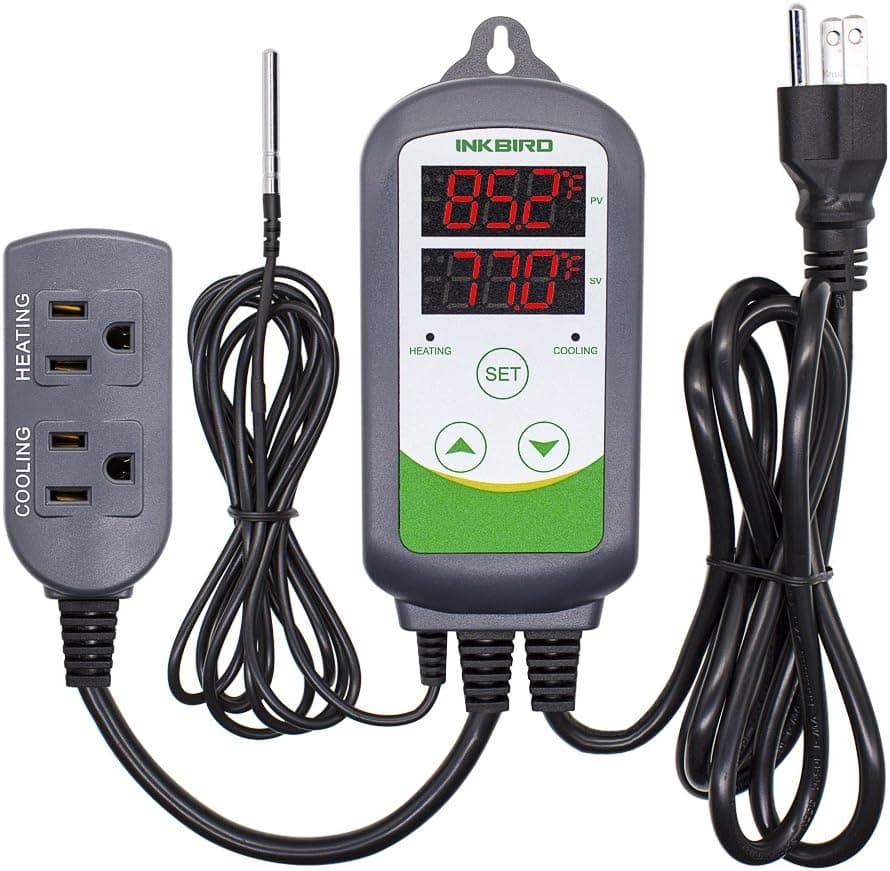
+ 2-Stage control runs a heater and fridge from one unit
From our guide: Best Fermentation Temperature Controllers for Homebrewing (2026)
+ US-05 ferments cleanly and suits a huge range of American ales
From our guide: Best Brewing Yeast for Homebrewing (2026)
Popular right now
- How to Store Hops and Grain ProperlyArticle
- Best Brew in a Bag (BIAB) Bags for Homebrewing (2026)Buying guide
- Cleaning and Sanitizing KitCollection
- Fermentation Temperature ControlCollection
- First Extract Brew KitCollection
- Reading Original and Final Gravity to Calculate ABVArticle
Based on the last 28 days of search and visitor data.