How to Brew a Spiced Winter Ale for the Holidays
Published How we research
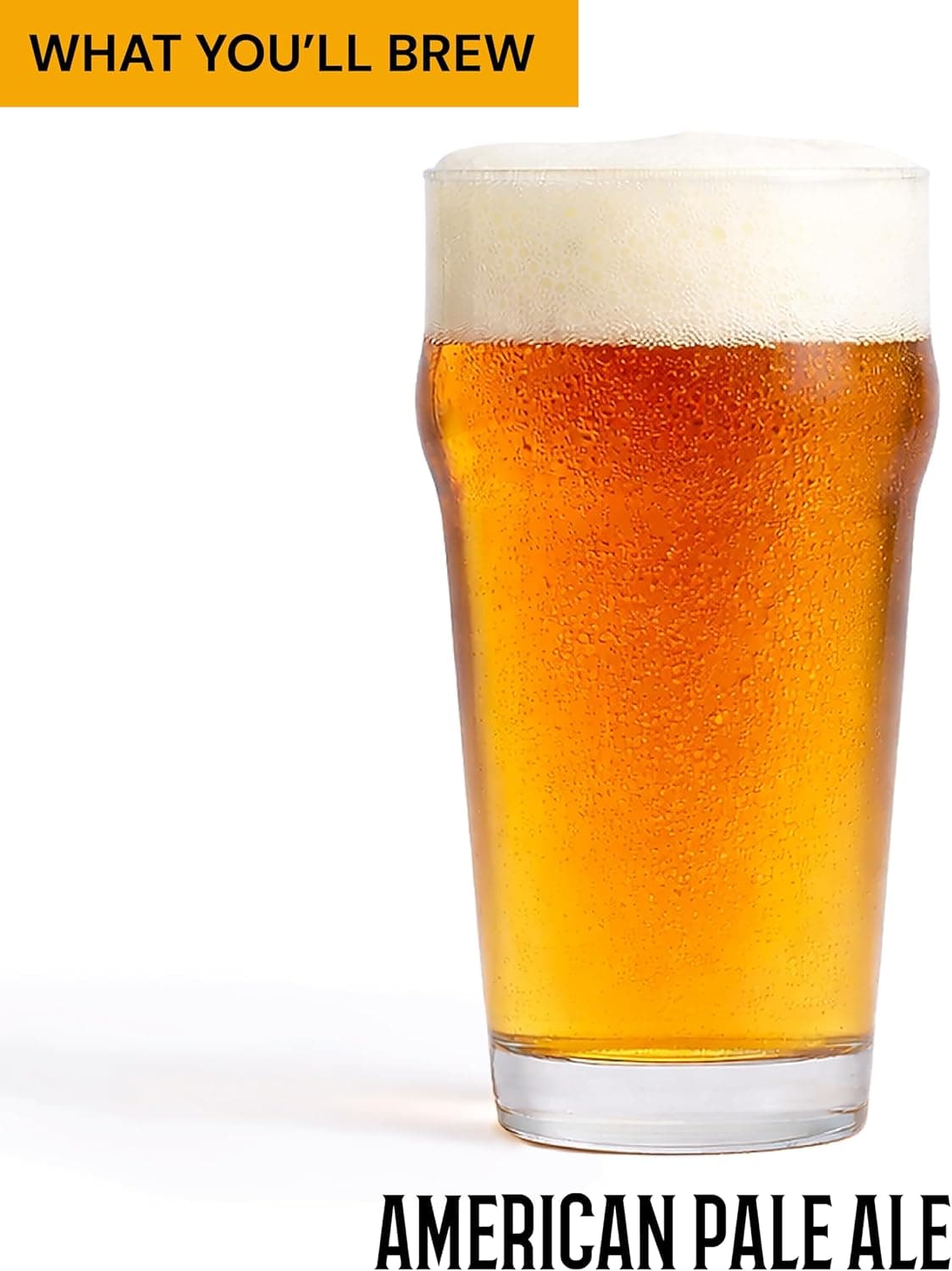
Spiced winter ales and winter warmers are a homebrew tradition, with rich malt, gentle warmth and seasonal spices like cinnamon, nutmeg and orange peel. These beers need time to ferment and condition, so brewing in autumn gives them time to mature before holiday gatherings. The key is restraint with spices so they complement rather than overpower the beer.
Plan your timing
Many winter ales are moderately strong and benefit from several weeks of conditioning. Brewing six to ten weeks before you want to serve the beer gives time for fermentation, bottling or kegging, and flavour development.
Stronger beers can take longer to condition. Taste samples as the beer matures, since spice character often softens over time.
Choose a base style
Winter warmers often use a malt-forward base such as an English old ale, amber ale, brown ale or Belgian dark ale. Caramel and dark malts contribute toffee, dried fruit and toasty flavours that pair well with spices.
Keep hop bitterness moderate so malt and spice flavours stand out. Many recipe kits provide a balanced starting point for new brewers.
Select spices carefully
Common spices include cinnamon, nutmeg, allspice, clove, ginger, orange peel and vanilla. Strong spices like clove and allspice can quickly dominate, so use them sparingly.
Whole spices provide cleaner flavour than ground spices, which can cloud beer. Buy fresh spices, since potency varies widely.
When to add spices
Spices can be added during the last few minutes of the boil, but aroma may fade during fermentation. Another option is soaking spices in a small amount of vodka to make a tincture, which you can dose into the beer to taste before packaging.
Adding spices after fermentation in a sanitised bag gives more control. Taste daily and remove spices once the flavour is where you want it.
Condition and serve
Carbonate to moderate levels and allow the beer to condition at cellar or room temperature. Spice flavours and alcohol warmth often mellow after a few weeks.
Serve slightly warmer than typical lagers so aromas show. Label bottles with the brew date, alcohol level and spices, which helps friends and family choose wisely at gatherings.
Keep a split batch for comparison
If you are unsure about spices, split the batch after fermentation. Leave half plain and spice the other half, or try two different spice blends. Tasting them side by side teaches you far more about each spice than a single batch.
Keep notes on quantities, contact time and how the flavour changes after a few weeks in the bottle. Those notes make it easy to repeat a favourite holiday beer next autumn or adjust the recipe to be lighter or bolder.
Products from this article
The highest-scoring picks from the buying guides mentioned above. Scores are our editorial assessment, not customer ratings.
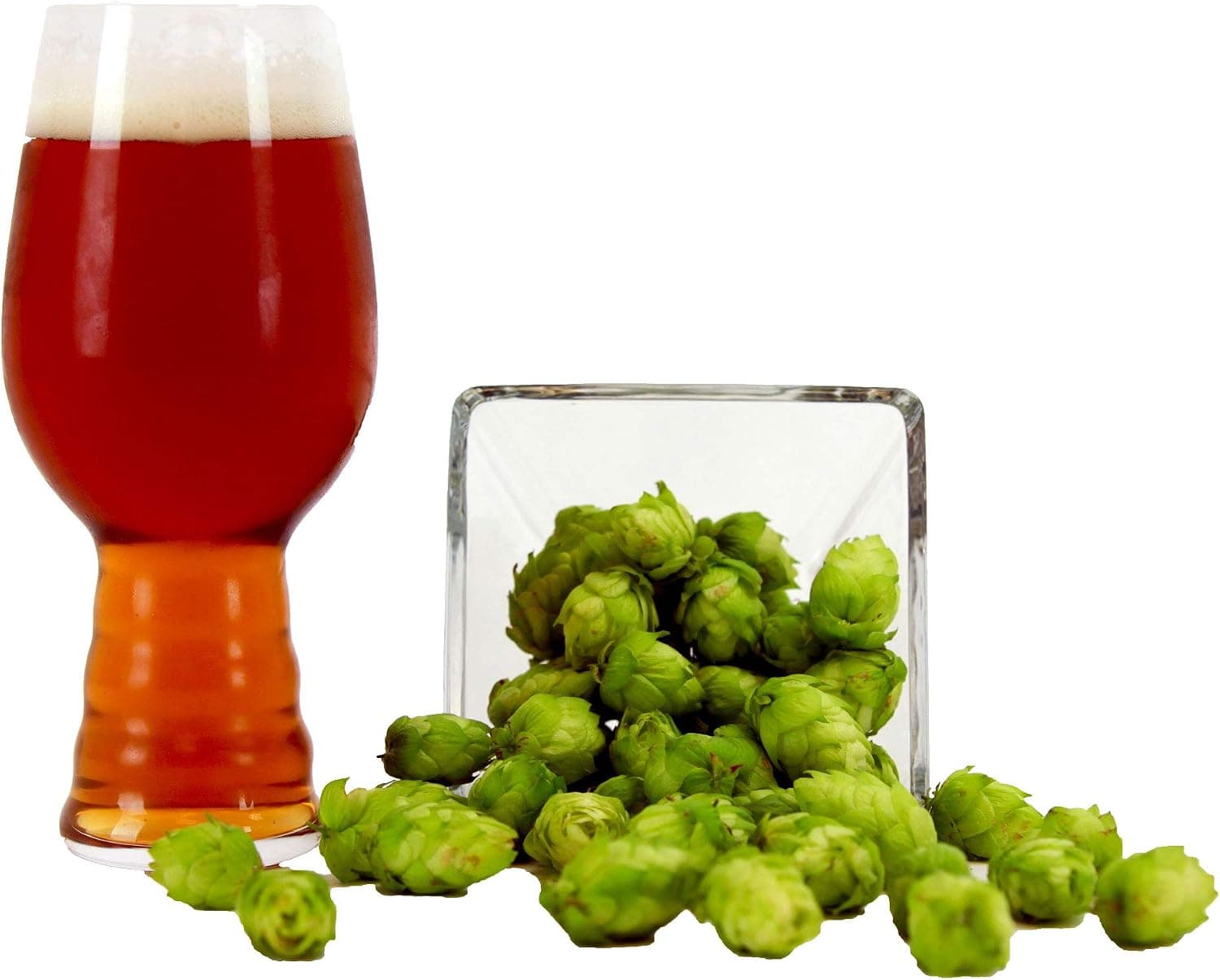
+ Single-hop Mosaic recipe is a great way to learn one hop's character
From our guide: Best Beer Recipe Kits for Homebrewing (2026)
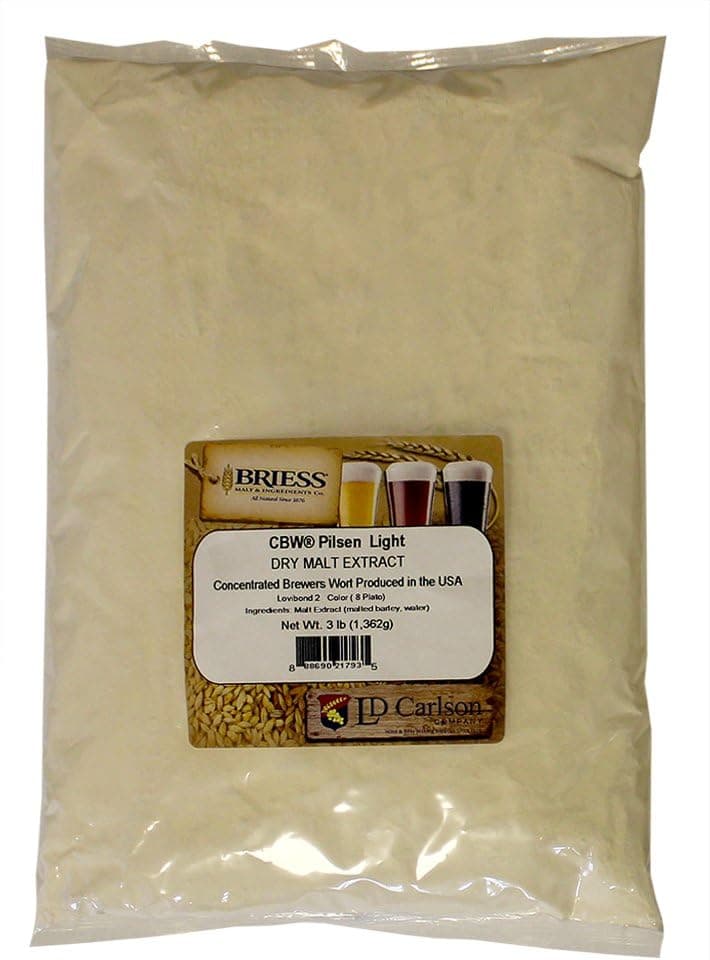
+ 3 Lbs. supplies a large part of a light beer extract batch
From our guide: Best Dry Malt Extract (DME) for Homebrewing (2026)
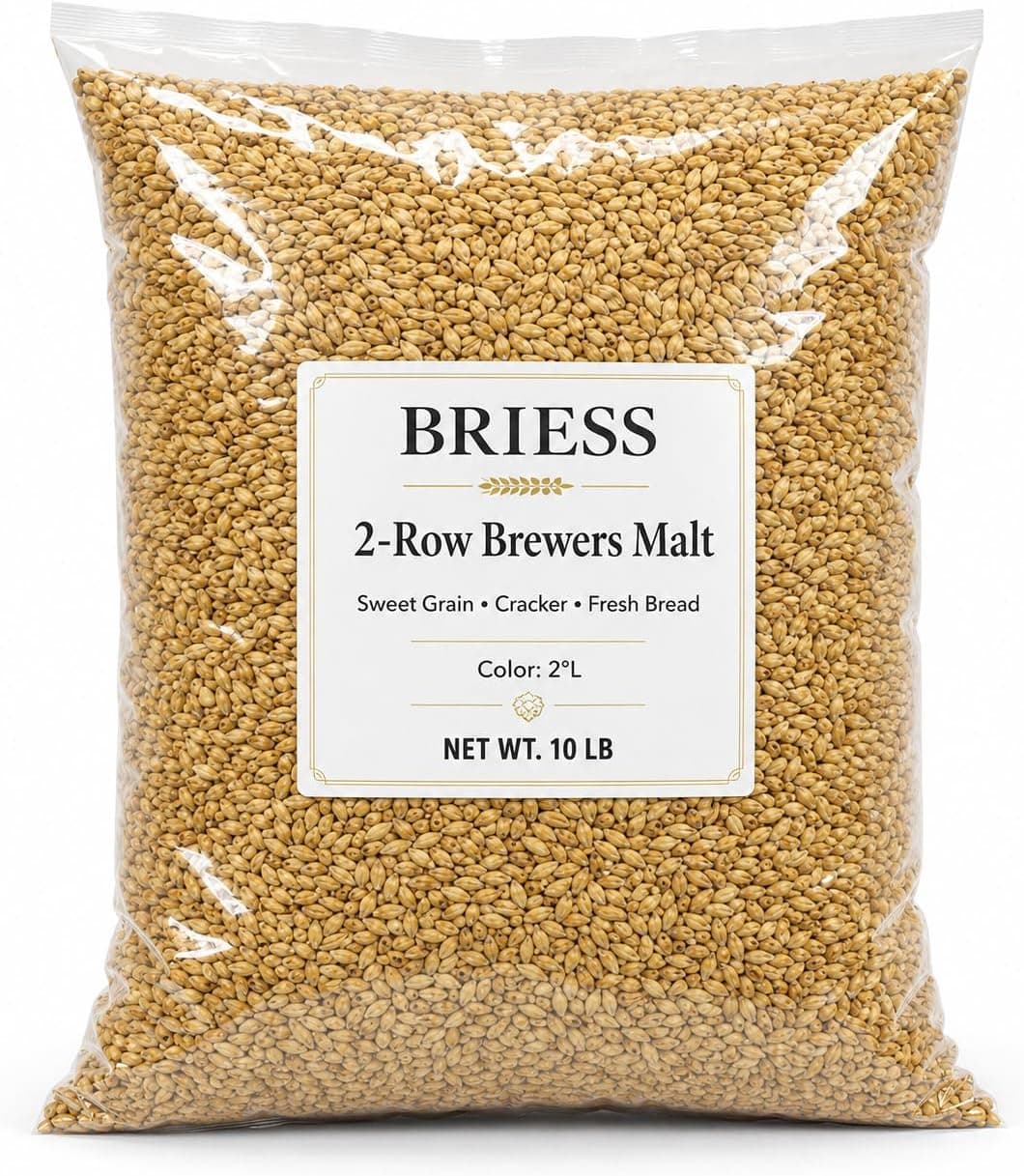
+ 1.8L color keeps pale ales and lagers light and bright
From our guide: Best Brewing Grains for Homebrewing (2026)
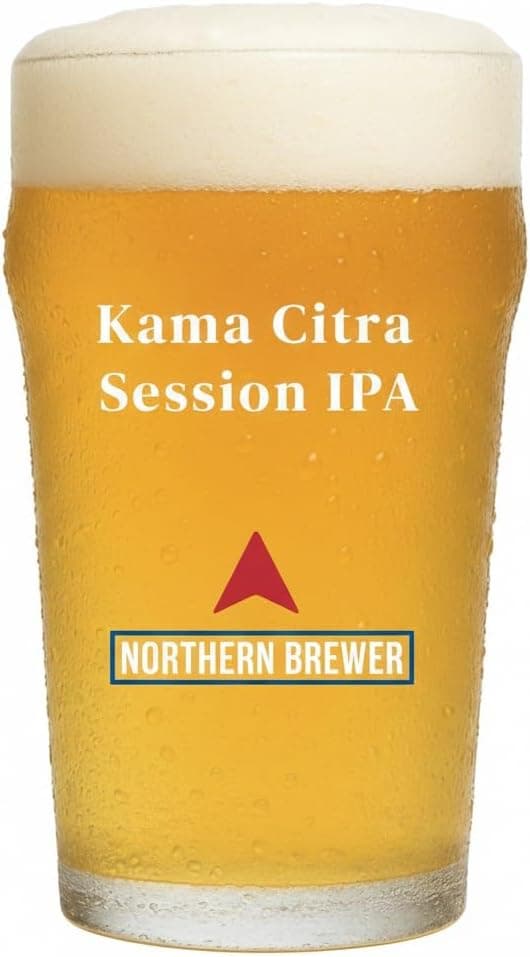
+ Session strength means a hoppy beer you can enjoy more than one of
From our guide: Best Beer Recipe Kits for Homebrewing (2026)
Popular right now
- How to Store Hops and Grain ProperlyArticle
- Best Brew in a Bag (BIAB) Bags for Homebrewing (2026)Buying guide
- Cleaning and Sanitizing KitCollection
- Fermentation Temperature ControlCollection
- First Extract Brew KitCollection
- Reading Original and Final Gravity to Calculate ABVArticle
Based on the last 28 days of search and visitor data.