Cold Crashing Your Beer for Better Clarity
Published How we research
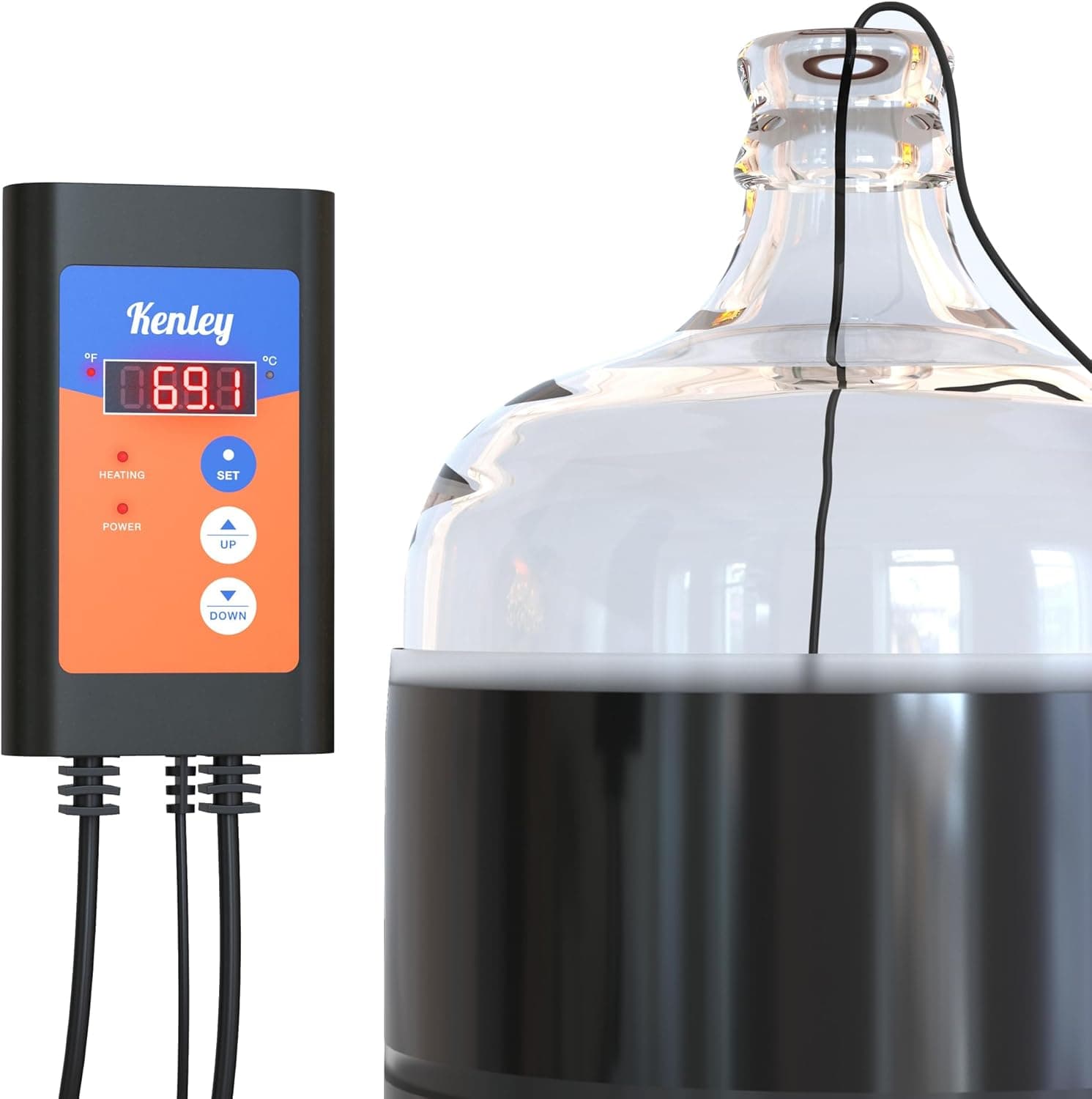
Cold crashing is a simple technique for improving the clarity of your beer before you package it. After fermentation is complete, you chill the beer close to freezing for a day or two. The cold encourages suspended yeast, proteins, and other haze-forming particles to clump together and settle to the bottom of the fermenter, leaving the beer above noticeably clearer and cleaner tasting.
The science behind it is straightforward. Warm beer holds yeast and fine particles in suspension, which is why beer right at the end of fermentation often looks cloudy. Lowering the temperature reduces the movement of these particles and makes them drop out of the liquid, a process called flocculation and sedimentation. Cold also causes certain proteins and tannins to bind together and settle, reducing a haze that can appear when beer is chilled.
To cold crash, you need a way to bring the fermenter down to near-freezing temperatures, which usually means a refrigerator or a temperature-controlled chest freezer. Once fermentation has fully finished and the gravity is stable, set the temperature as low as you can without freezing the beer and leave it for one to three days. When you then transfer to bottles or a keg, you leave most of the sediment behind for a cleaner package.
There is one important pitfall to manage: suck-back. As the beer cools it contracts, and the drop in pressure can pull liquid or air backward through the airlock into the fermenter. If that means pulling in outside air, it introduces oxygen, which can stale the beer. To prevent this, some brewers replace the airlock with a sanitized solid stopper before crashing, or fit a device that lets the fermenter draw from a reservoir of gas or sanitizer rather than room air.
Cold crashing is optional, and not every beer needs it. Styles that are meant to be hazy, such as certain wheat beers and hazy IPAs, may not benefit and can even be hurt by aggressive clearing. But for lagers, clean ales, and any beer where you want bright clarity, a cold crash is one of the easiest ways to improve appearance without adding any ingredients.
You can combine cold crashing with fining agents, which are substances that further help particles clump and settle, for even brighter results. Whether you fine or not, cold crashing rewards a little patience at the end of the process. Giving your beer a couple of extra days in the cold before packaging often makes the difference between a cloudy homebrew and one that looks as polished as it tastes.
Products from this article
The highest-scoring picks from the buying guides mentioned above. Scores are our editorial assessment, not customer ratings.
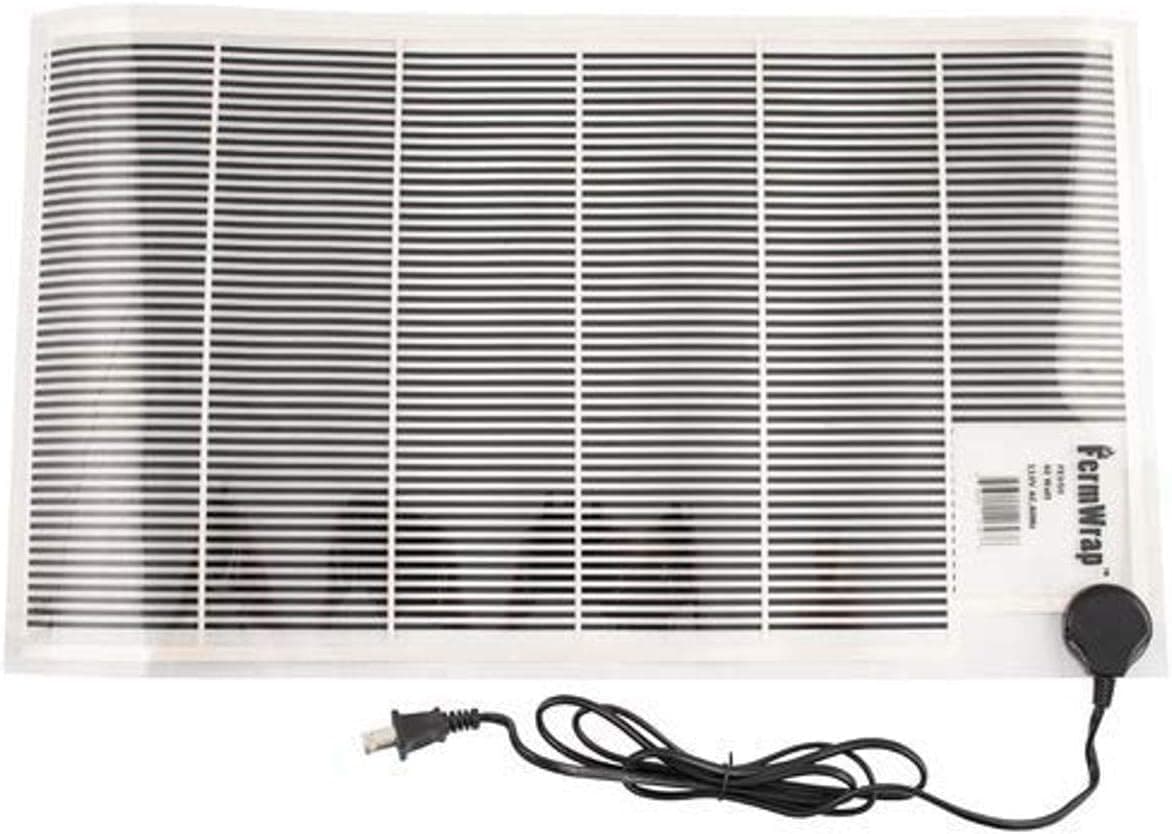
+ 40 Watt output gives gentle warmth that will not scorch yeast
From our guide: Best Fermenter Heaters for Homebrewing (2026)
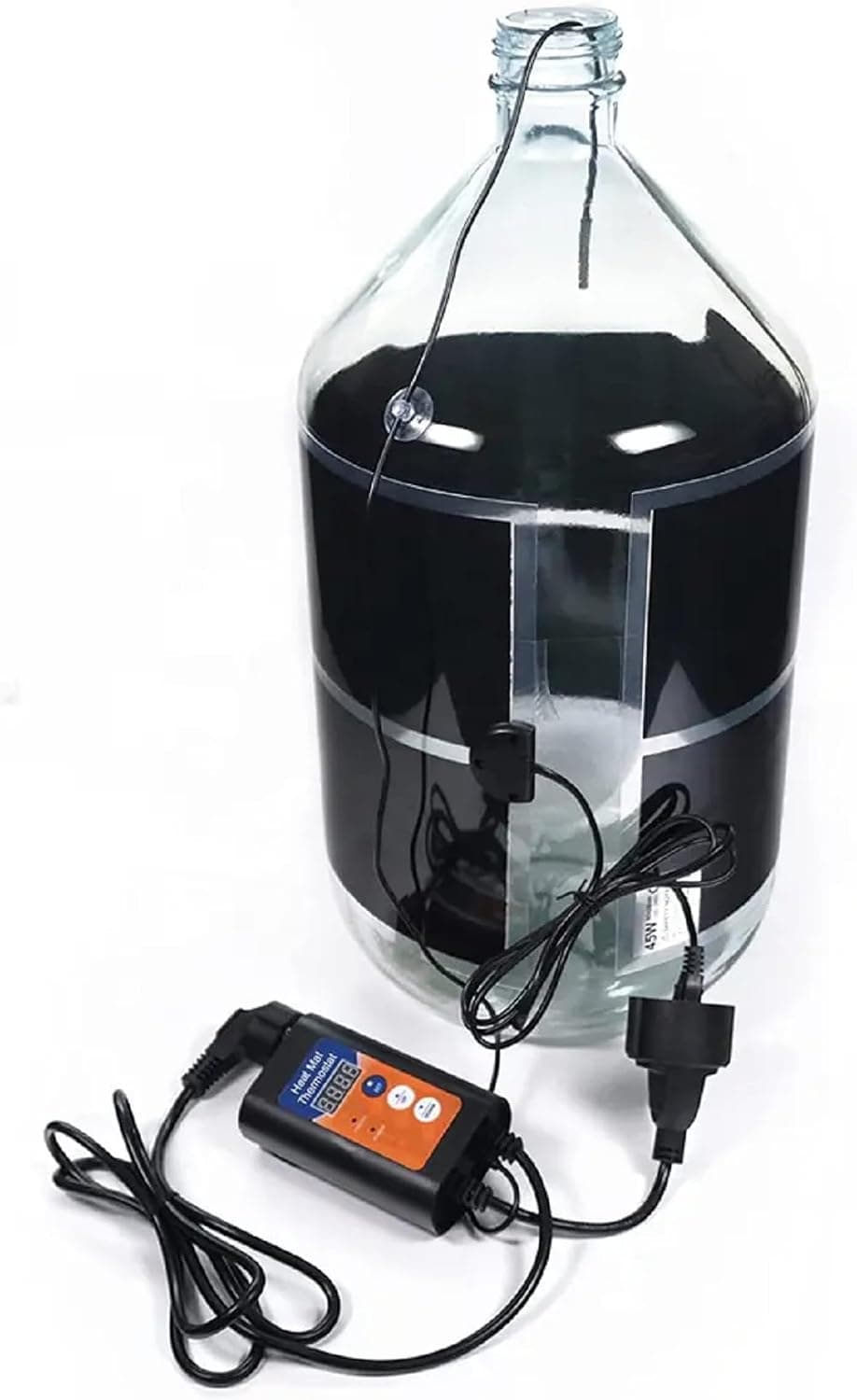
+ Digital thermostat holds a set temperature without extra controllers
From our guide: Best Fermenter Heaters for Homebrewing (2026)
+ Thermostat control prevents overheating compared with plain heat belts
From our guide: Best Fermenter Heaters for Homebrewing (2026)
+ 12 Inch pad covers a good surface area on jars and carboys
From our guide: Best Fermenter Heaters for Homebrewing (2026)

Popular right now
- How to Store Hops and Grain ProperlyArticle
- Best Brew in a Bag (BIAB) Bags for Homebrewing (2026)Buying guide
- Cleaning and Sanitizing KitCollection
- Fermentation Temperature ControlCollection
- First Extract Brew KitCollection
- Reading Original and Final Gravity to Calculate ABVArticle
Based on the last 28 days of search and visitor data.