How to Store Hops and Grain Properly
Published How we research
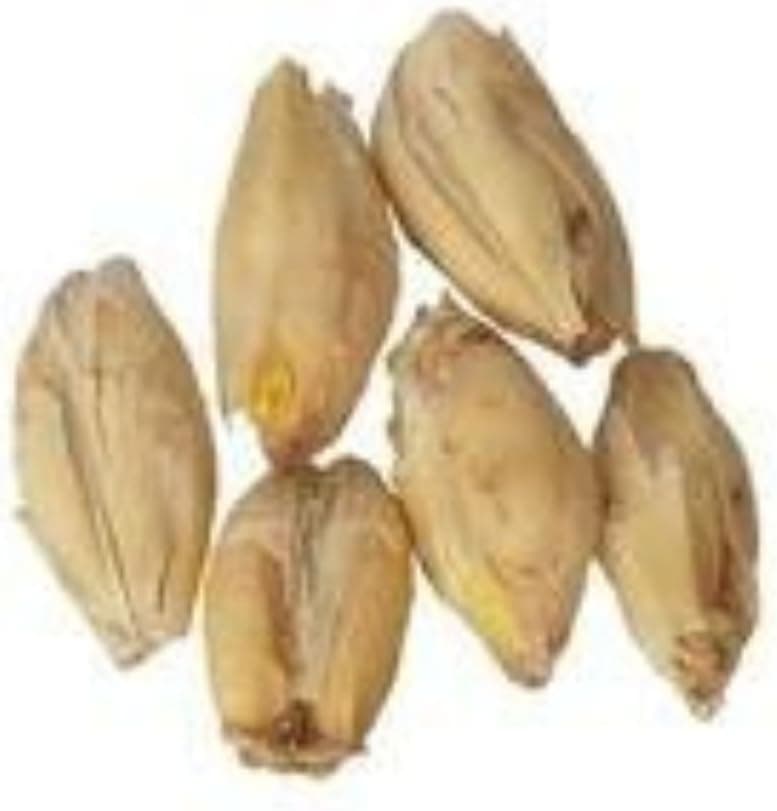
Fresh ingredients make better beer, and how you store your hops and grain has a direct impact on their quality. Both degrade over time, but the speed of that decline depends heavily on temperature, air exposure, moisture, and light. A little care in storage keeps your ingredients tasting the way they should and prevents the disappointment of brewing with faded hops or stale malt.
Hops are the more fragile of the two. Their prized aromatic oils and acids break down when exposed to oxygen, heat, and light, losing aroma and bittering power. The enemies to guard against are air and warmth. Ideally, hops should be kept sealed in airtight, oxygen-barrier packaging and stored cold. A freezer is the best home for hops, where the low temperature dramatically slows the loss of their aromatic compounds.
When you open a package of hops and do not use all of it, reseal the remainder as airtight as possible before returning it to the freezer. Squeezing out excess air or using a vacuum sealer greatly extends their life. Hops that have oxidized often smell cheesy or dull rather than bright and fresh, and once that aroma sets in, the hops will not contribute the character you want, especially for aroma-focused additions.
Grain keeps much longer than hops, but it comes in two forms that store differently. Whole, uncrushed malt is quite stable and can last a year or more when kept in a cool, dry place in a sealed container. The key threats to whole grain are moisture, which can cause mold, and pests such as insects and rodents, so an airtight bin or bucket in a dry area protects it well.
Crushed grain is a different story. Once malt is milled, its starchy interior is exposed to air and moisture, and it goes stale much faster, absorbing humidity and losing freshness within weeks to a couple of months. For this reason many brewers prefer to buy whole grain and mill it on brew day, or only crush what they will use soon. If you do store crushed grain, keep it sealed and dry and use it promptly.
A good practice is to buy hops and grain in quantities you will realistically use within a reasonable window, and to label everything with the date you received it. Store hops cold and airtight, keep grain cool, dry, and sealed away from pests, and mill your malt as close to brew day as you can. These simple habits ensure that every batch starts with ingredients at their best.
Products from this article
The highest-scoring picks from the buying guides mentioned above. Scores are our editorial assessment, not customer ratings.
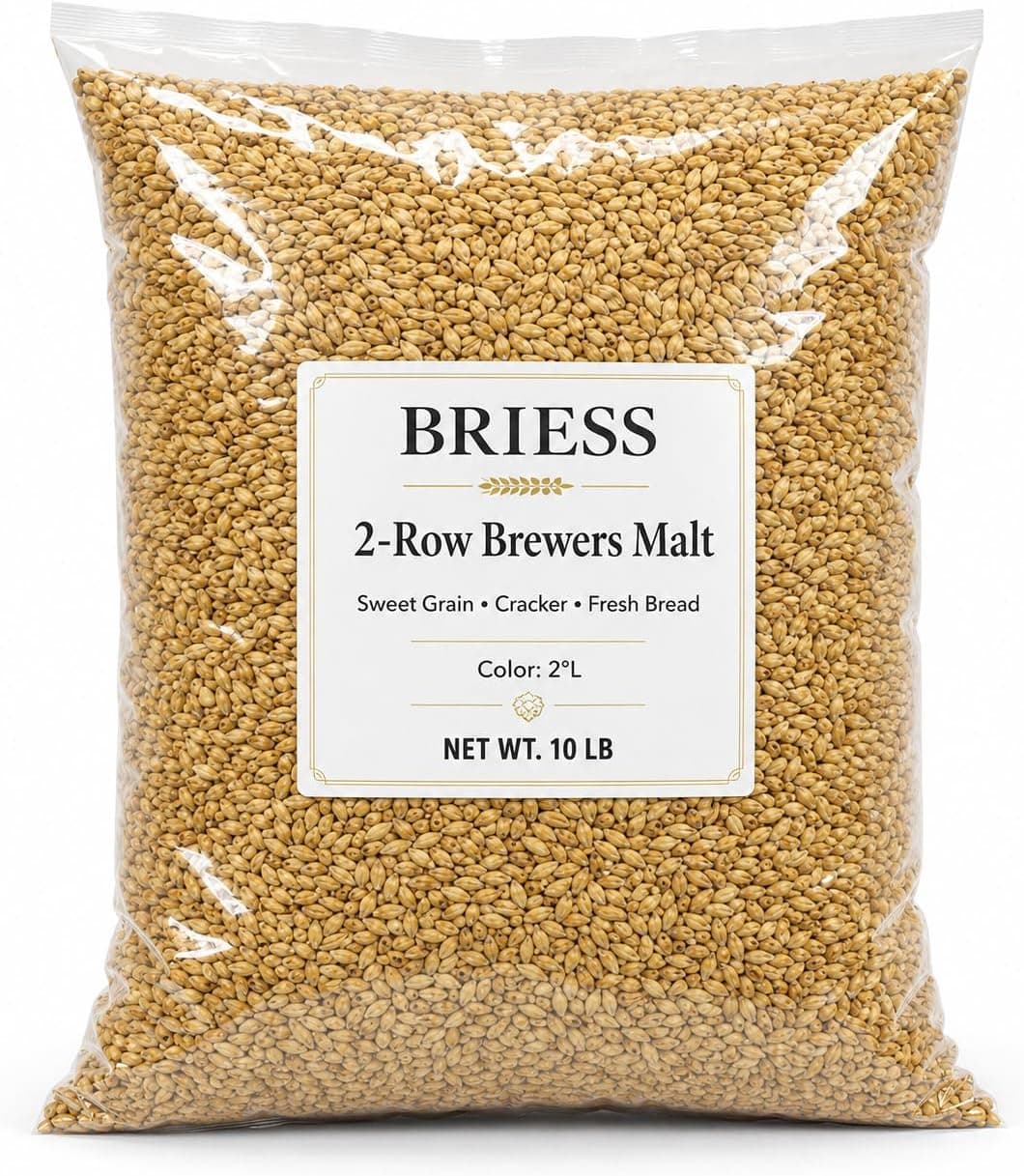
+ 1.8L color keeps pale ales and lagers light and bright
From our guide: Best Brewing Grains for Homebrewing (2026)
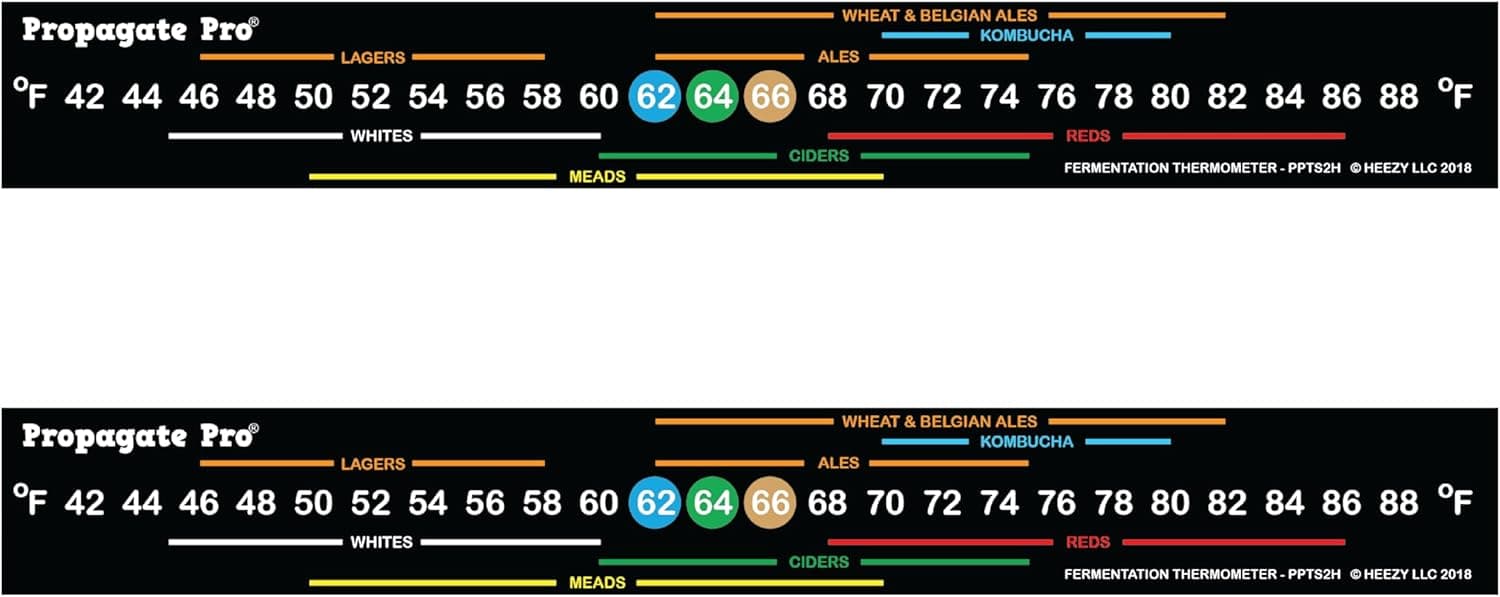
+ 42-88F range covers lager and ale fermentation temperatures
From our guide: Best Stick-On Thermometer Strips for Homebrew (2026)
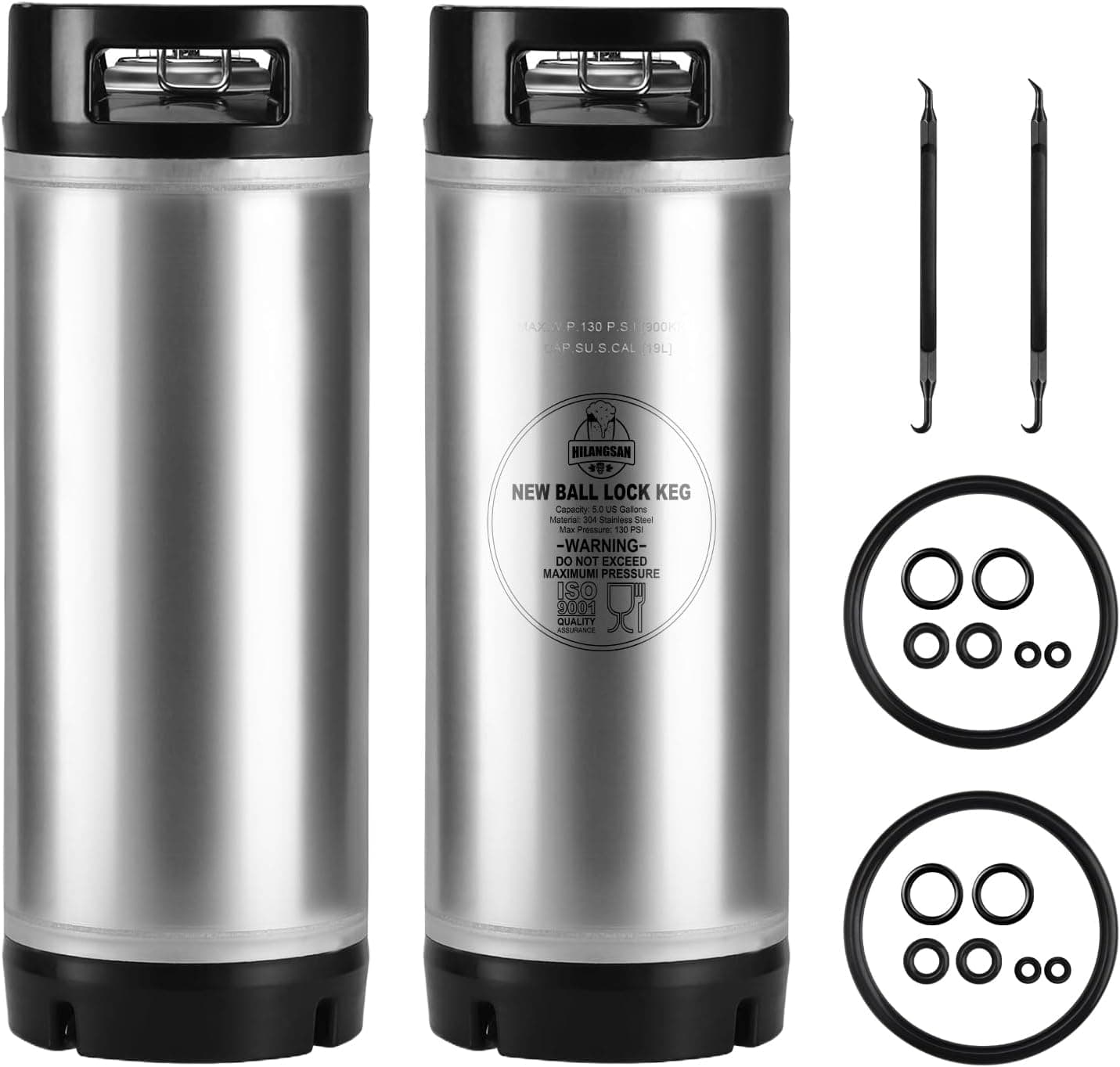
+ 2Pcs set lets you keep one keg serving while another conditions
From our guide: Best Cornelius Kegs for Homebrew (2026)
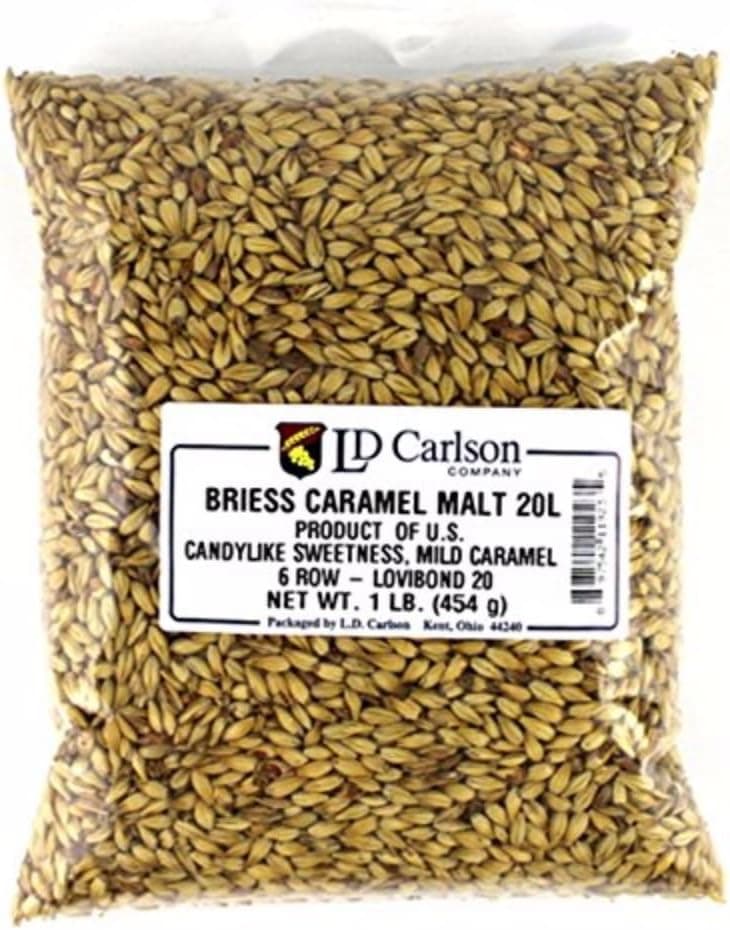
+ Caramel 20L adds light honey sweetness without darkening beer much
From our guide: Best Brewing Grains for Homebrewing (2026)
Popular right now
- Best Brew in a Bag (BIAB) Bags for Homebrewing (2026)Buying guide
- Cleaning and Sanitizing KitCollection
- Fermentation Temperature ControlCollection
- First Extract Brew KitCollection
- Reading Original and Final Gravity to Calculate ABVArticle
- Priming Sugar Amounts for Bottle ConditioningArticle
Based on the last 28 days of search and visitor data.