Making Hard Cider at Home
Published How we research
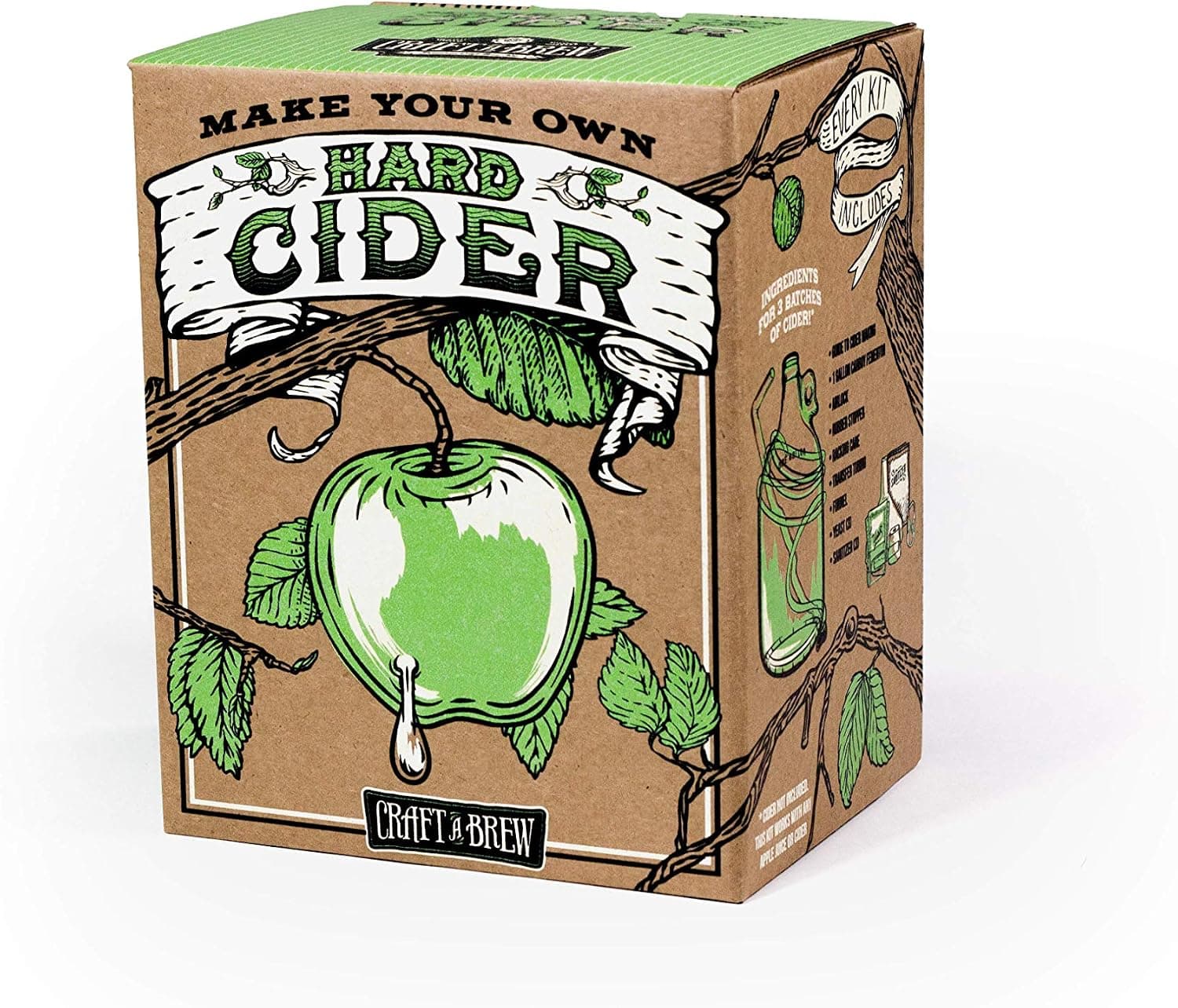
Use pure pressed apple juice with no added preservatives like potassium sorbate, since those stop fermentation from working. A dedicated cider or wine yeast gives a clean, dry result while ale yeast gives a fruitier profile; simply pitch it into sanitized juice and ferment at cool room temperature. A little yeast nutrient helps fermentation finish cleanly since apple juice is naturally low in some nutrients. Cider ferments quite dry by default, so back-sweeten with a non-fermentable sweetener or stabilize first before adding sugar to avoid over-carbonation. Package still or carbonated with priming sugar, and let it age a few weeks or months to mellow. Hard cider is one of the easiest fermented drinks to make at home, which makes it a favorite first project for people curious about fermentation. At its simplest, cider is just apple juice fermented with yeast until the sugars turn to alcohol. You can make a very good batch with minimal equipment, and the process teaches the same fundamentals of sanitation and fermentation that apply to beer.
The most important ingredient is the juice
The most important ingredient is the juice. Use pure pressed apple juice or cider with no added preservatives, because preservatives like potassium sorbate and sodium benzoate are designed to stop fermentation and will prevent your yeast from working. Fresh-pressed juice from a mill or cider house gives the most complex flavor, but pasteurized juice from the store works well too, as long as it lists only apples and perhaps ascorbic acid.
Yeast choice shapes the final character
Yeast choice shapes the final character. A dedicated cider or wine yeast produces a clean, crisp result and ferments the sugars thoroughly, giving a drier cider. Some brewers use ale yeast for a fruitier, rounder profile. You simply pour the juice into a sanitized fermenter, pitch the yeast, fit an airlock, and let it ferment at a cool room temperature. Fermentation usually starts within a day or two and can run for a couple of weeks.
A little yeast nutrient helps fermentation finish clean
Because apple juice is naturally low in some nutrients that yeast need, adding a small amount of yeast nutrient helps fermentation finish cleanly and reduces the risk of off-flavors. Otherwise, cider needs little intervention. Keep the fermenter out of direct light at a stable temperature, and use a hydrometer to track progress just as you would with beer, watching for the gravity to stabilize at the end.
Cider ferments dry by default
Cider ferments quite dry by default, since the yeast consumes nearly all the sugar. If you prefer some sweetness, you have a few options. You can add a non-fermentable sweetener after fermentation, or stabilize the cider to stop the yeast and then back-sweeten with juice or sugar. Simply adding sugar to an active or bottle-conditioning cider without stabilizing risks over-carbonation, so plan your sweetening approach deliberately.
Packaging and aging the finished cider
Once fermentation is finished you can package the cider still or carbonated. For a sparkling cider, bottle with a measured amount of priming sugar much as you would for beer, using bottles rated for pressure. Cider often benefits from a few weeks or months of aging, which mellows sharp edges and improves the flavor. With clean technique and good juice, homemade hard cider is remarkably rewarding for how little effort it takes.
Frequently asked questions
Can you use store-bought juice to make hard cider? Yes, pasteurized juice from the store works well as long as it lists only apples and perhaps ascorbic acid, with no added preservatives like potassium sorbate that would stop fermentation.
What yeast is best for making hard cider? A dedicated cider or wine yeast produces a clean, crisp, drier result, while some brewers use ale yeast instead for a fruitier, rounder profile.
Why does hard cider taste dry by default? Because the yeast consumes nearly all the sugar in apple juice during fermentation, so if you want sweetness you need to back-sweeten or stabilize the cider afterward.
How do you sweeten hard cider without it over-carbonating? Add a non-fermentable sweetener after fermentation, or stabilize the cider to stop the yeast first before back-sweetening with juice or sugar, rather than adding sugar to an active or bottle-conditioning batch.
Products from this article
The highest-scoring picks from the buying guides mentioned above. Scores are our editorial assessment, not customer ratings.
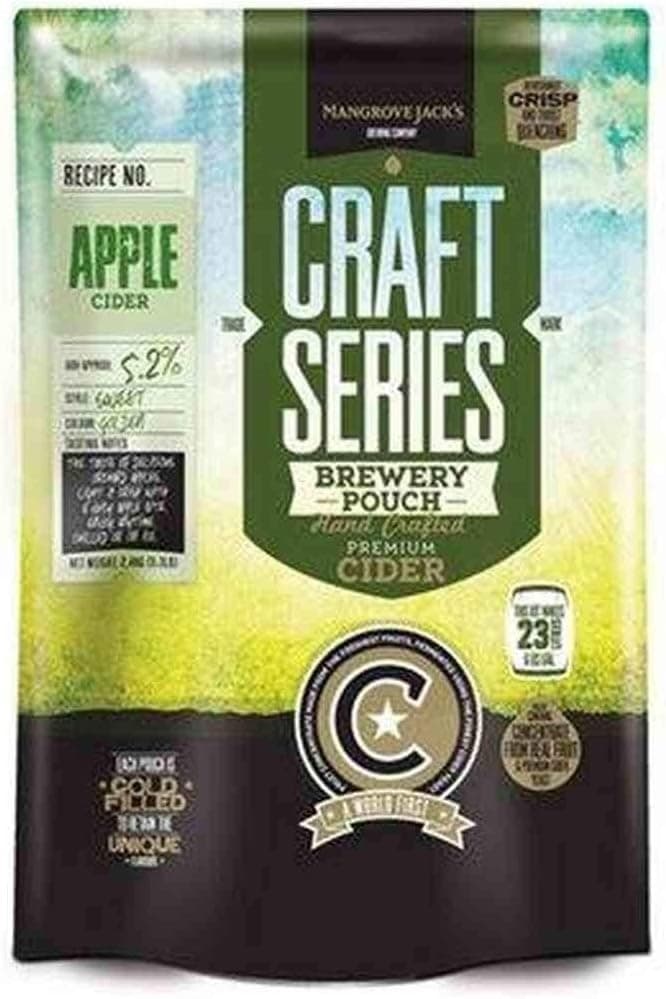
+ Mangrove Jack's kits include matched yeast and concentrate
From our guide: Best Cider Making Kits
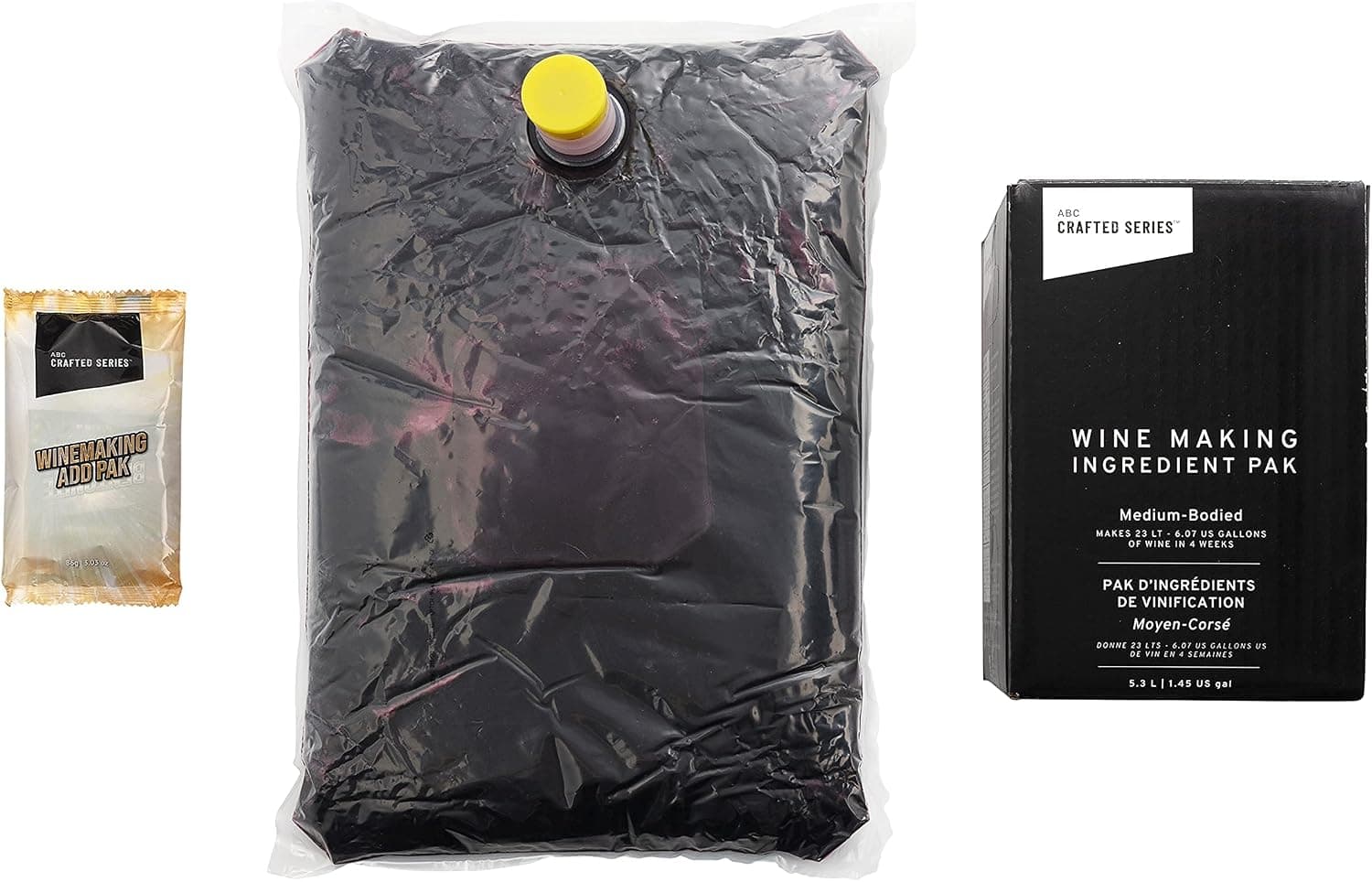
+ 30 Bottles yield gives a large supply of homemade Merlot
From our guide: Best Wine Making Kits
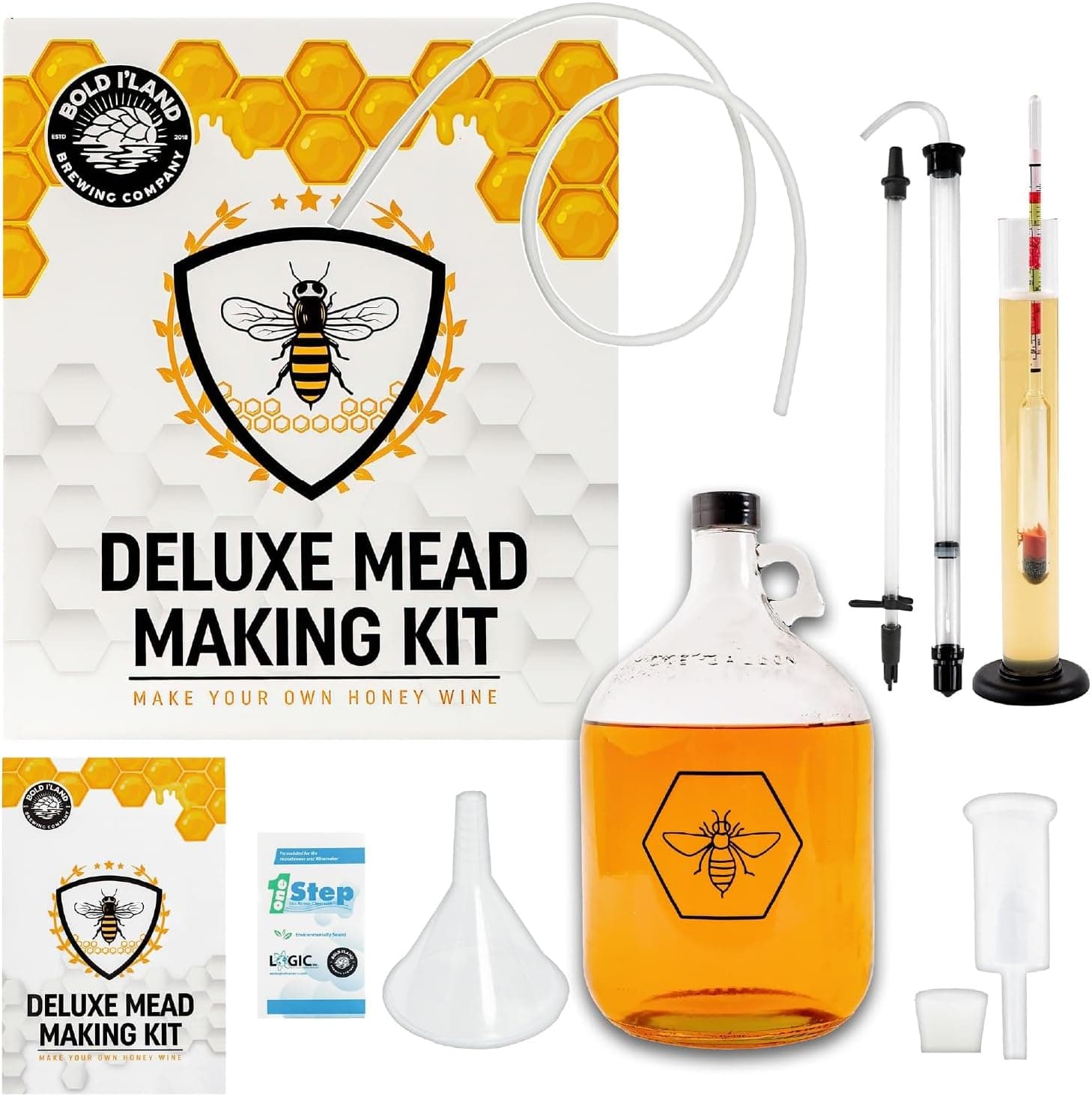
+ Includes hydrometer and auto siphon, so you can measure and transfer
From our guide: Best Mead Making Kits for Beginners (2026)
+ Complete kit includes equipment for a first cider batch
From our guide: Best Cider Making Kits
Popular right now
- How to Store Hops and Grain ProperlyArticle
- Best Brew in a Bag (BIAB) Bags for Homebrewing (2026)Buying guide
- Cleaning and Sanitizing KitCollection
- Fermentation Temperature ControlCollection
- First Extract Brew KitCollection
- Reading Original and Final Gravity to Calculate ABVArticle
Based on the last 28 days of search and visitor data.