Racking and Transferring Beer Without Oxidation
Published How we research
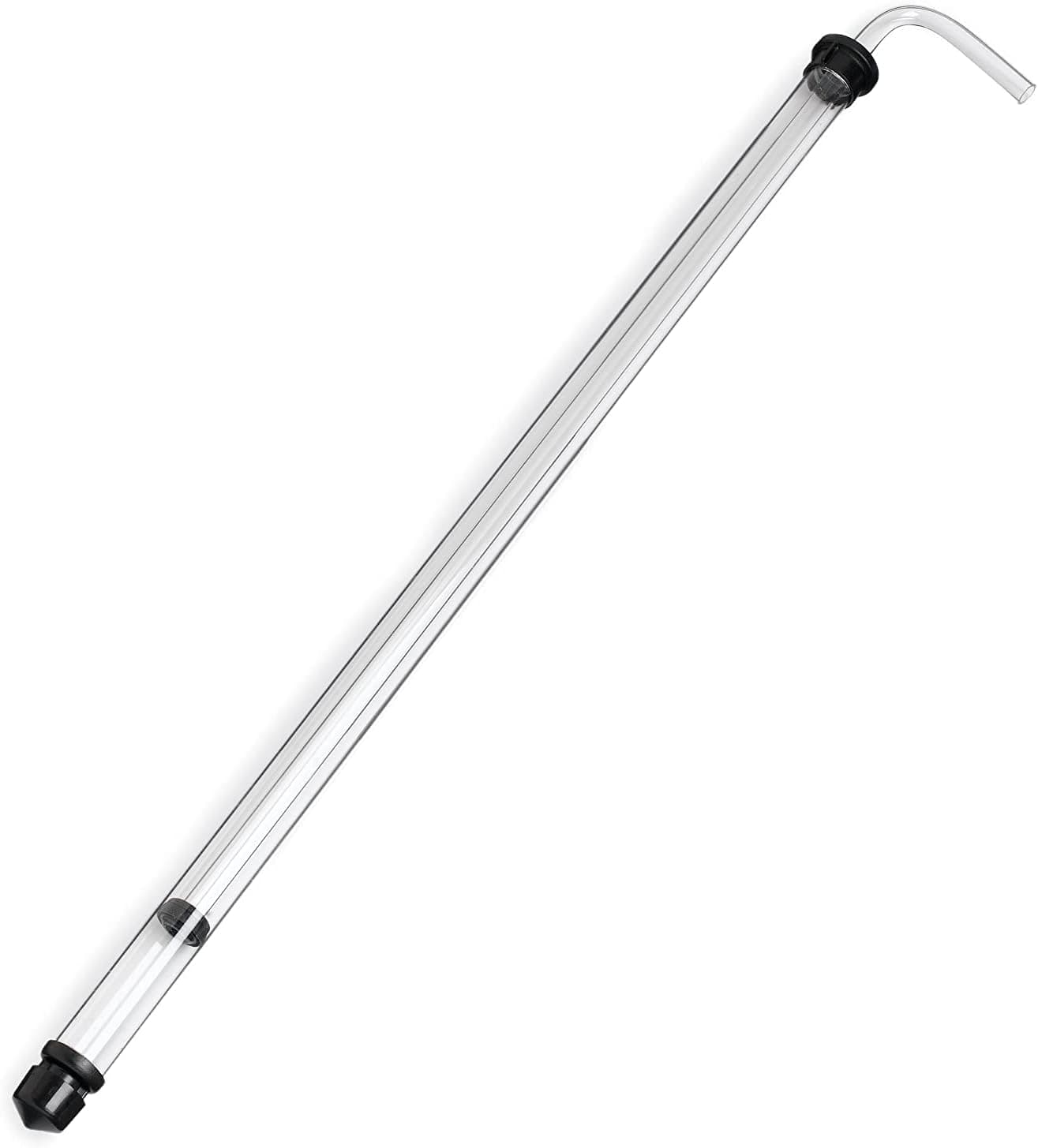
Racking is the brewing term for transferring beer from one vessel to another, usually by siphon, while leaving behind the sediment at the bottom. You might rack from a primary fermenter to a secondary vessel, or from the fermenter into a bottling bucket or keg at packaging time. Doing it gently and cleanly is important, because careless transfers are a common source of both oxidation and infection.
The main tool for racking is a siphon, which uses gravity to move liquid from a higher vessel to a lower one through a tube. An auto-siphon makes starting the flow easy with a simple pumping action, avoiding the old method of sucking on the tube, which risks introducing bacteria from your mouth. The tube should reach near the bottom of the receiving vessel so the beer fills from below rather than splashing down from the top.
Avoiding oxygen is the guiding principle of any transfer after fermentation. Before fermentation, oxygen is beneficial because the yeast needs it to grow. After fermentation, oxygen becomes an enemy that causes stale, cardboard-like flavors over time. This is why you rack gently and quietly, keeping the outlet of the tube submerged as the vessel fills so the beer does not tumble through the air and pick up oxygen.
Sanitation is equally critical, because you are handling finished beer that no longer has a boil to protect it. Every part of the siphon, tubing, and receiving vessel must be sanitized just before use. A single contaminated hose can introduce microbes that spoil the batch, so treat your transfer equipment with the same care you give the fermenter. Assemble everything on a clean surface and avoid touching sanitized ends.
When racking, position the receiving vessel below the source and start the siphon smoothly, keeping the intake end of the tube above the layer of sediment, the yeast and trub that settled during fermentation. As the level drops, you can gently tilt the source vessel to draw off as much clear beer as possible while leaving the sludge behind. Moving slowly keeps sediment from stirring up into the beer you are transferring.
Many modern brewers question whether a secondary transfer is even necessary, since every extra transfer is another chance to add oxygen or infection. For most standard beers, leaving the beer in the primary fermenter until packaging is simpler and safer. Reserve additional racking for cases where it serves a real purpose, such as adding fruit or long aging, and when you do transfer, always prioritize gentle, sanitary, low-oxygen technique.
Products from this article
The highest-scoring picks from the buying guides mentioned above. Scores are our editorial assessment, not customer ratings.
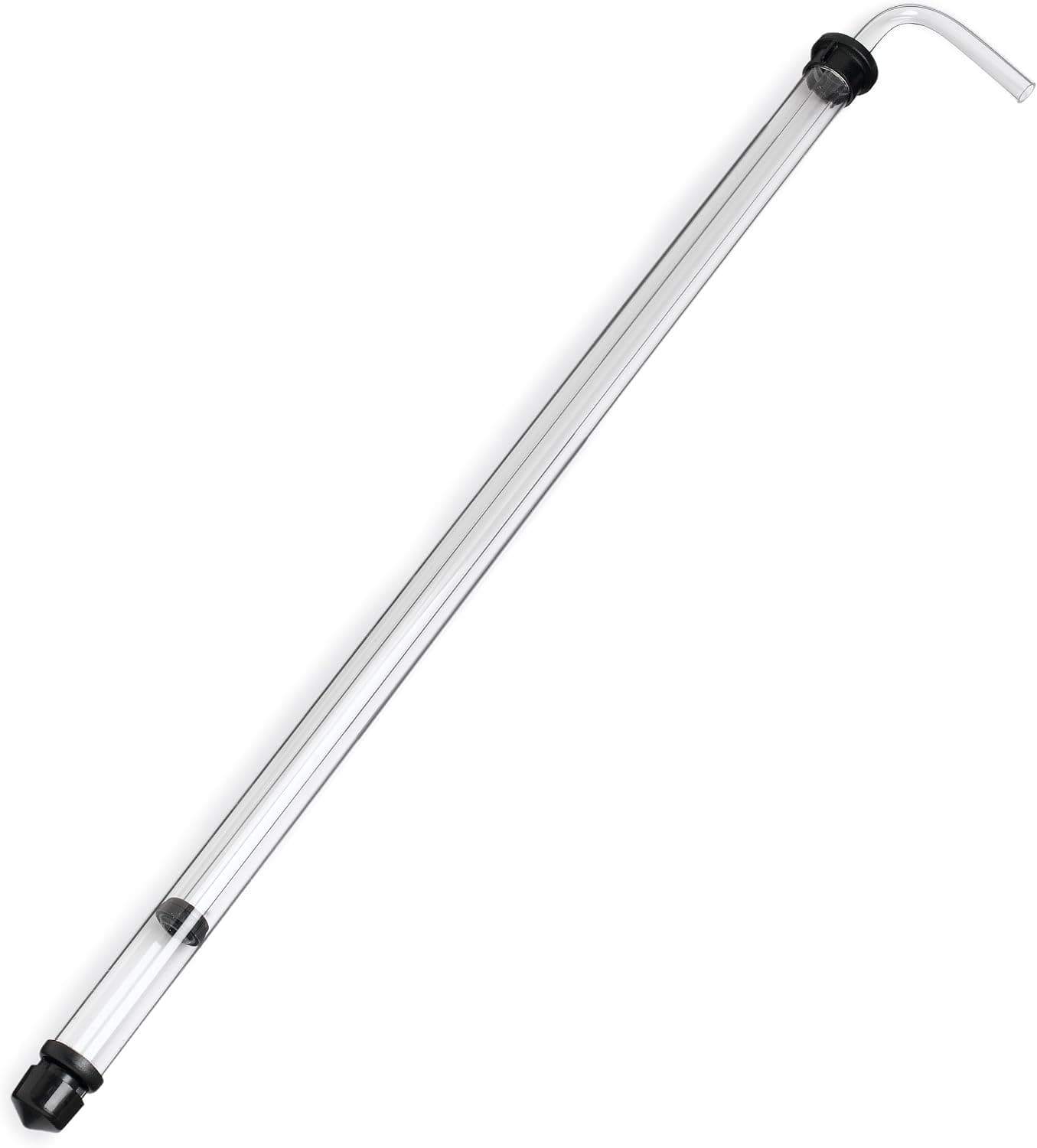
+ 0.5-Inch cane moves beer much faster than regular sized siphons
From our guide: Best Auto-Siphons for Homebrewing (2026)
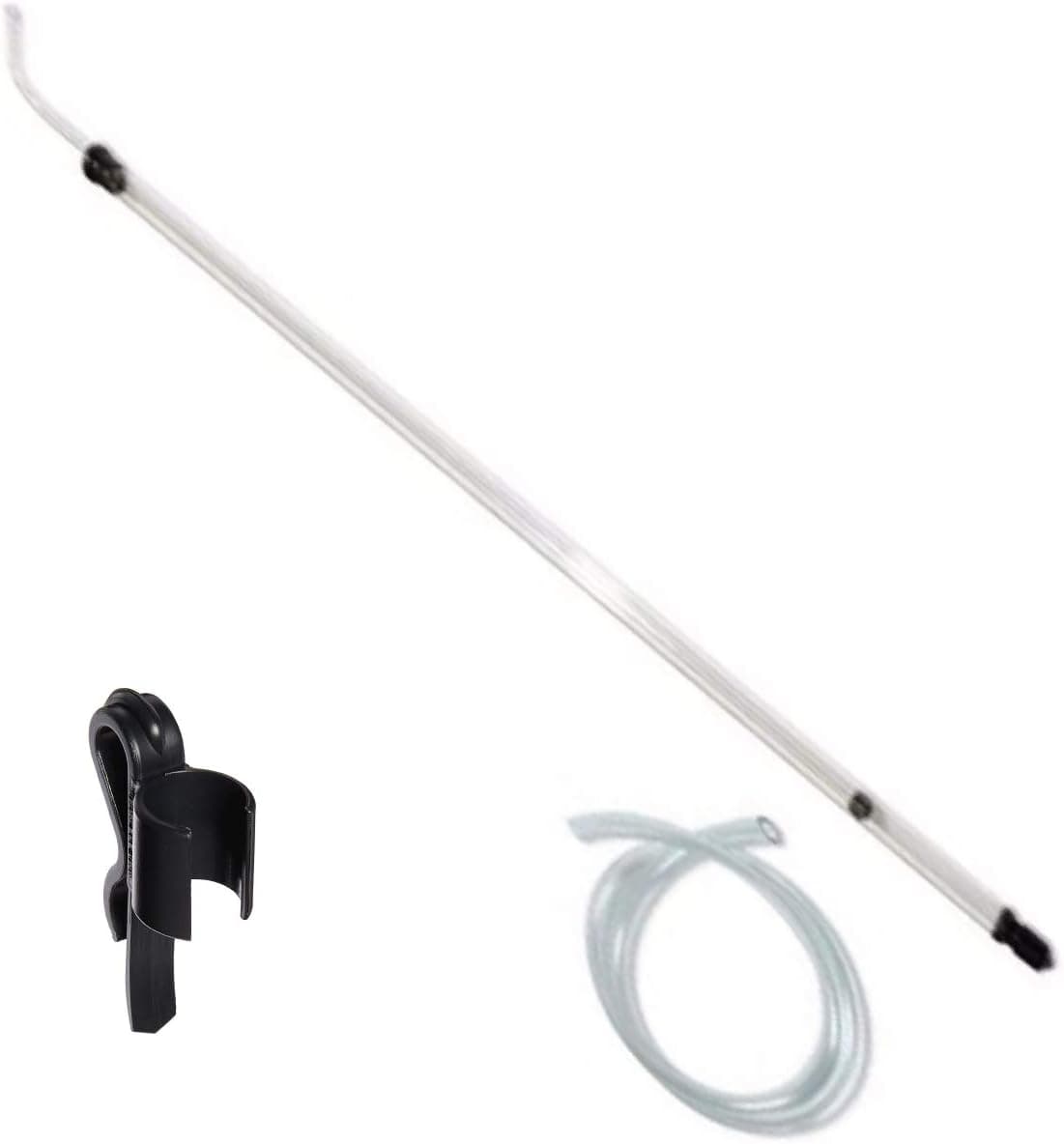
+ 6.5 Feet of tubing gives plenty of reach between fermenter and bucket
From our guide: Best Auto-Siphons for Homebrewing (2026)
+ One pump starts the flow, so there is no need to mouth-siphon
From our guide: Best Auto-Siphons for Homebrewing (2026)
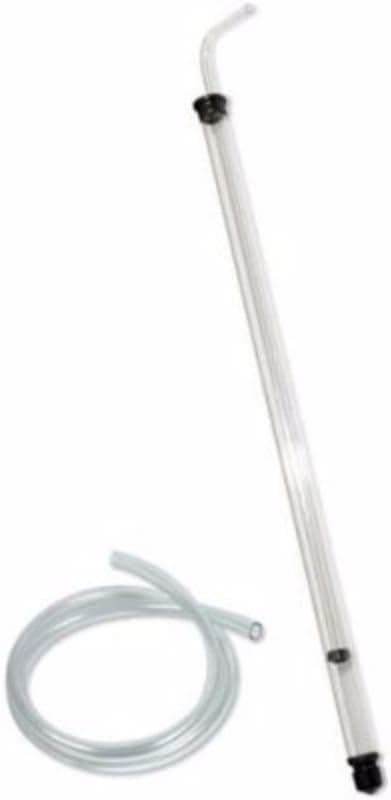
+ Tubing comes included, so you can rack beer straight away
From our guide: Best Auto-Siphons for Homebrewing (2026)
Popular right now
- How to Store Hops and Grain ProperlyArticle
- Best Brew in a Bag (BIAB) Bags for Homebrewing (2026)Buying guide
- Cleaning and Sanitizing KitCollection
- Fermentation Temperature ControlCollection
- First Extract Brew KitCollection
- Reading Original and Final Gravity to Calculate ABVArticle
Based on the last 28 days of search and visitor data.