How to Keg Your Homebrew Beer
Published How we research
A stainless steel cornelius keg seals under internal pressure and connects to a CO2 cylinder through a regulator for precise pressure control. Clean and sanitize the keg thoroughly, especially posts and dip tubes, then transfer beer gently through tubing reaching the bottom to minimize oxygen pickup. Purge the headspace with repeated CO2 bursts and pressure releases to protect flavor and shelf life. Carbonate with the patient set-and-forget method over one to two weeks, or a faster but riskier high-pressure method. Store and serve the keg cold, dialing in dispensing pressure and line length for a proper pour without excess foam. Kegging is a popular upgrade for homebrewers who are tired of washing, filling, and capping dozens of bottles for every batch. Instead of packaging into many small containers, you transfer the finished beer into a single pressurized keg, carbonate it with carbon dioxide gas, and pour it on demand. Once you have the equipment, kegging turns packaging day from an hour-long chore into a quick and satisfying step.
The most common homebrew keg
The most common homebrew keg is a stainless steel cornelius keg, originally used by the soft drink industry. It seals with a lid held down by internal pressure, and it has two posts on top: one for gas going in and one for beer coming out. You connect it to a carbon dioxide cylinder through a regulator, which lets you set the exact pressure. A picnic tap or a faucet on a dedicated fridge, often called a kegerator, dispenses the beer.
Clean, sanitize, and fill carefully
Before filling, clean and sanitize the keg thoroughly, paying attention to the posts, the dip tubes, and the lid gasket where residue and microbes hide. Disassemble the posts periodically for a deep clean. Once the keg is sanitized, transfer your finished beer gently from the fermenter, ideally through tubing that reaches the bottom of the keg to minimize splashing and the oxygen pickup that splashing causes.
Purge oxygen from the headspace
Oxygen is the enemy of packaged beer, so purge the headspace after filling. Seal the lid, apply a burst of carbon dioxide to seat it, then pull the pressure relief valve to vent, and repeat this a few times. Each cycle replaces oxygen-rich air with carbon dioxide, protecting your beer's flavor and shelf life. Some brewers purge the empty keg with sanitizer pushed out by gas for an even lower-oxygen fill.
Carbonating can be done two ways
Carbonating can be done two ways. The patient method is to set your regulator to a serving pressure appropriate for your beer and temperature and leave the keg for one to two weeks until it reaches equilibrium. The fast method is to chill the beer, raise the pressure higher for a shorter period, and sometimes rock the keg to speed absorption, though this requires care to avoid over-carbonating. A carbonation chart matched to your temperature guides the correct pressure.
Store and serve the keg cold
Store and serve the keg cold, because carbon dioxide dissolves better at lower temperatures and pours more smoothly. Dial in your dispensing pressure and line length so the beer pours with a proper head and not too much foam. After the initial investment in a keg, cylinder, and regulator, you will find that kegging saves time on every future batch and keeps your beer fresher than bottles.
Frequently asked questions
What kind of keg do most homebrewers use? A stainless steel cornelius keg, originally used by the soft drink industry, which seals with a lid held down by internal pressure and connects to a CO2 cylinder through a regulator.
Why should you purge oxygen from a keg after filling? Oxygen is the enemy of packaged beer, so purging the headspace with repeated CO2 bursts and pressure releases replaces oxygen-rich air with carbon dioxide, protecting flavor and shelf life.
What is the slow method for carbonating a keg? Set your regulator to a serving pressure appropriate for your beer and temperature, then leave the keg for one to two weeks until it reaches equilibrium carbonation.
Why should a keg be served cold? Carbon dioxide dissolves better at lower temperatures, so a cold keg pours more smoothly and holds its carbonation better than one served warm.
Products from this article
The highest-scoring picks from the buying guides mentioned above. Scores are our editorial assessment, not customer ratings.
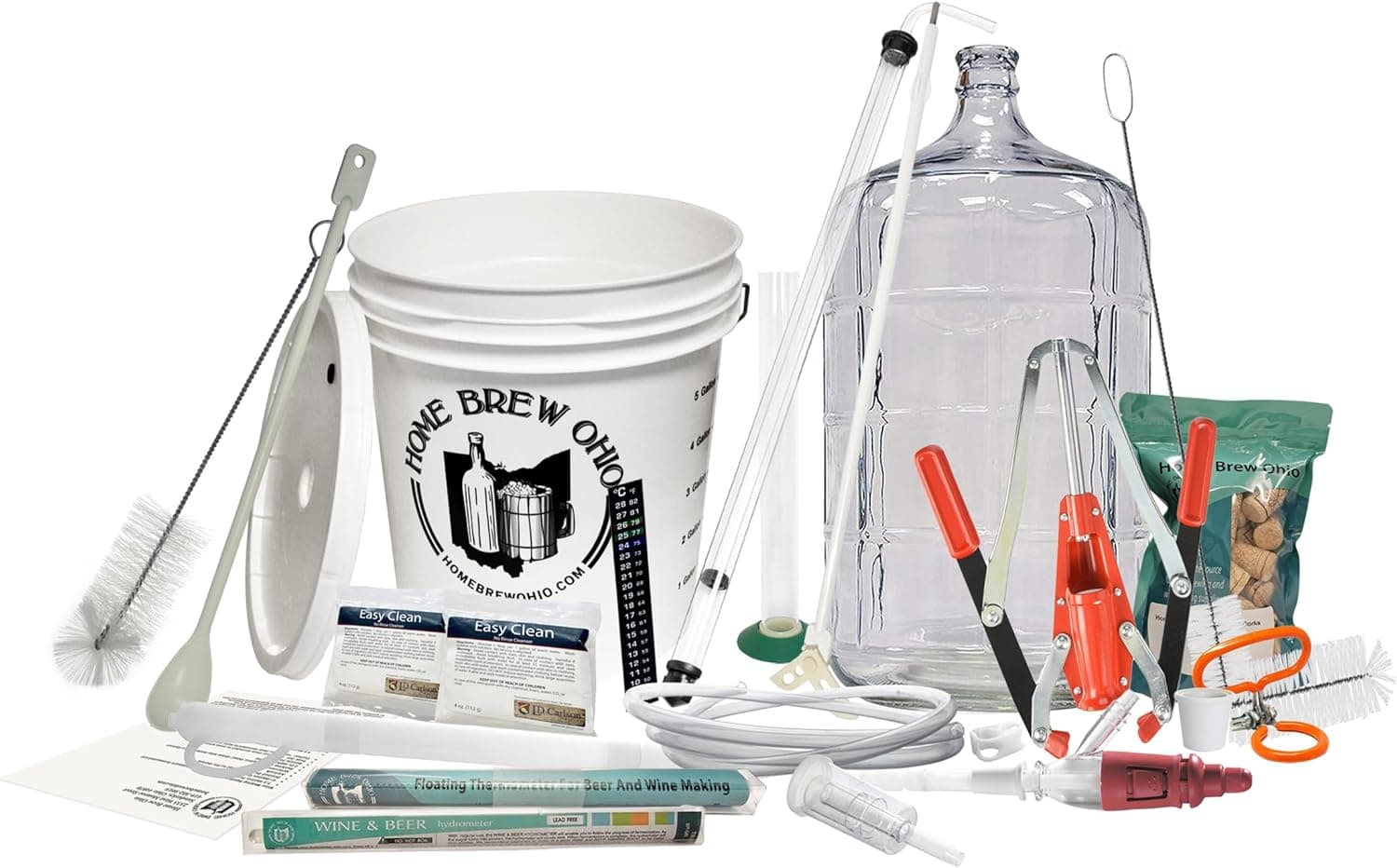
+ 30 Bottles yield gives a large supply of homemade Merlot
From our guide: Best Wine Making Kits
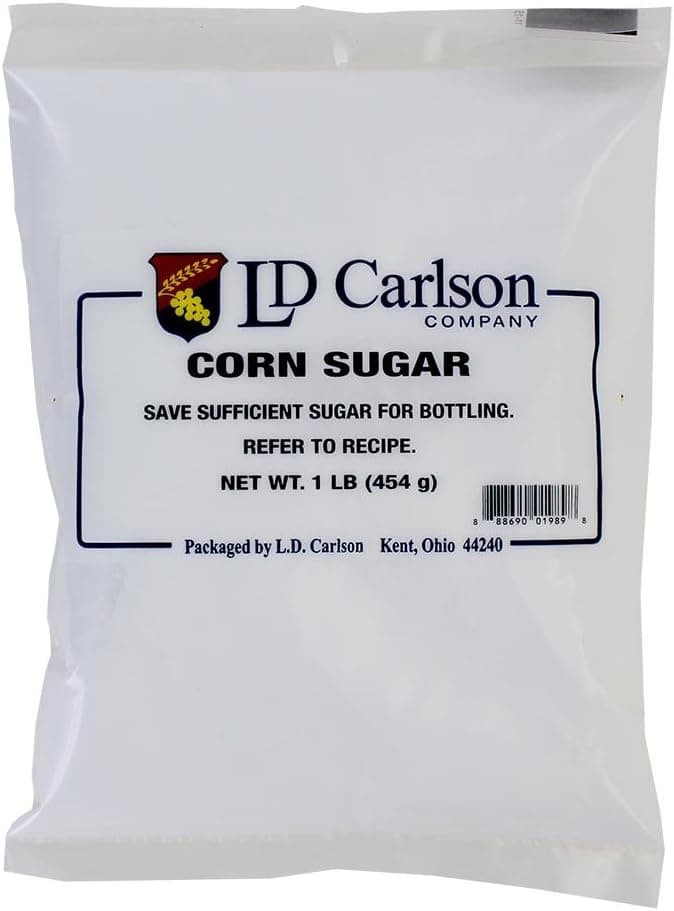
+ Dextrose ferments cleanly without adding flavor to the finished beer
From our guide: Best Priming Sugar for Bottle Conditioning (2026)
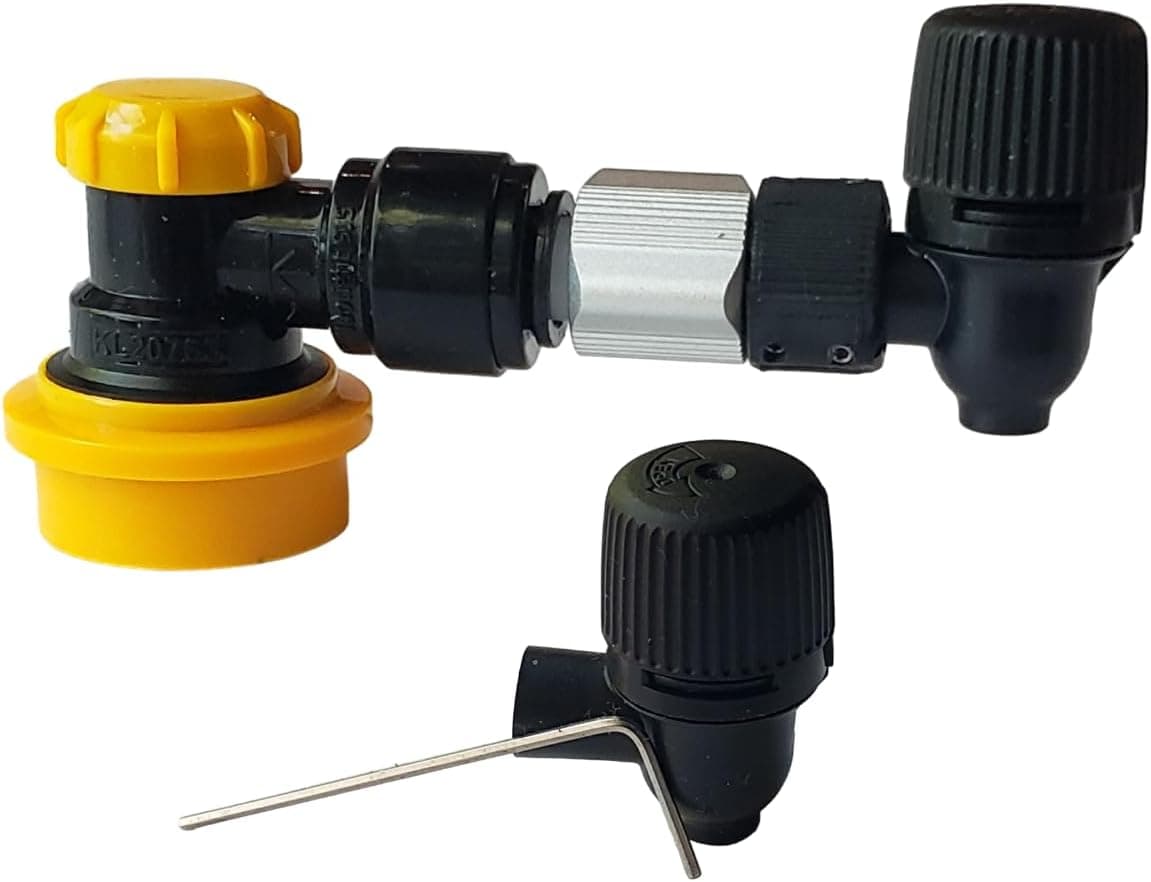
+ Low profile design clips right onto the Ball Lock post with no hose to manage
From our guide: Best Picnic Taps for Homebrew (2026)
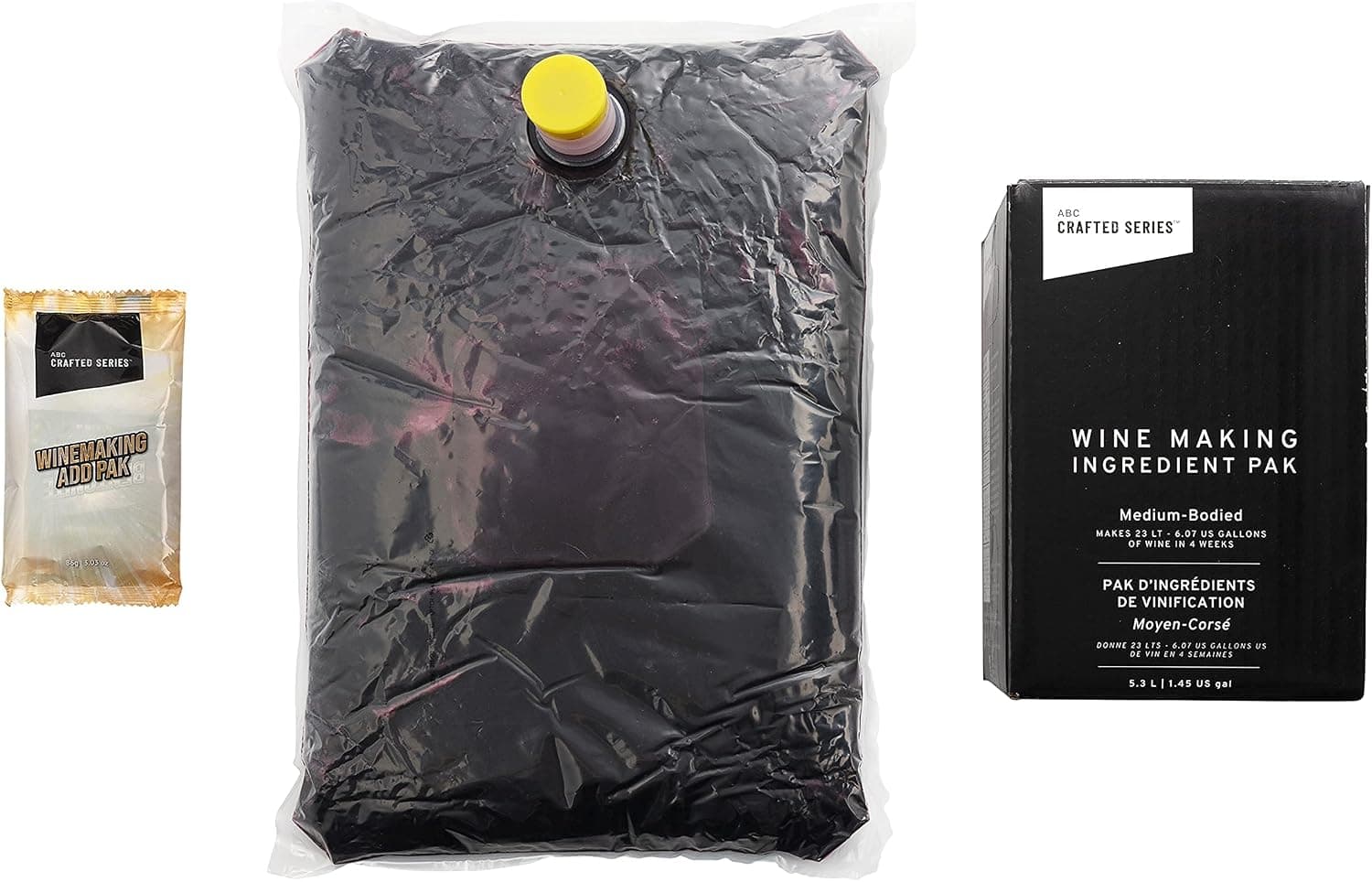
+ French Cabernet Sauvignon gives a structured, classic red
From our guide: Best Wine Making Kits

Popular right now
- How to Store Hops and Grain ProperlyArticle
- Best Brew in a Bag (BIAB) Bags for Homebrewing (2026)Buying guide
- Cleaning and Sanitizing KitCollection
- Fermentation Temperature ControlCollection
- First Extract Brew KitCollection
- Reading Original and Final Gravity to Calculate ABVArticle
Based on the last 28 days of search and visitor data.