Force Carbonation Explained
Published How we research
Force carbonation dissolves CO2 directly into kegged beer under pressure, with colder beer and higher pressure both absorbing more gas until reaching equilibrium. The reliable set-and-forget method chills the keg, sets serving pressure, and waits one to two weeks for even carbonation with no risk of overshooting. A faster method raises pressure well above serving level and rocks the keg to speed absorption in hours, but risks over-carbonating. A carbonation chart cross-references temperature and desired carbonation volumes to find the right pressure for your beer style. Keep the keg cold and connected at serving pressure once carbonated to keep it stable. Force carbonation is the method of carbonating kegged beer directly with carbon dioxide gas from a cylinder, rather than relying on yeast and priming sugar as in bottle conditioning. It is faster, more precise, and fully adjustable, which is a major reason many brewers move to kegging. Understanding how it works lets you dial in exactly the level of fizz your beer style calls for.
The principle: pressure and temperature control absorption
The principle behind it is that carbon dioxide dissolves into beer under pressure, and the amount that dissolves depends on both the pressure applied and the temperature of the beer. Colder beer absorbs gas more readily, and higher pressure pushes more gas into solution. At any given combination of temperature and pressure, the beer will eventually reach an equilibrium holding a specific amount of carbon dioxide. That equilibrium is what you are aiming to control.
The reliable set-and-forget method
The most reliable approach is often called the set-and-forget method. You chill the keg to serving temperature, set your regulator to the pressure that corresponds to your desired carbonation level at that temperature, and simply leave it connected for one to two weeks. During that time the beer gradually absorbs gas until it reaches equilibrium, giving you evenly and accurately carbonated beer with almost no effort or risk of overshooting.
A faster method for the impatient
When you are impatient, there is a faster method. You raise the pressure well above serving pressure and often rock or shake the cold keg to increase the surface contact between gas and beer, which speeds absorption dramatically. This can carbonate a beer in a day or even hours, but it requires attention, because it is easy to over-carbonate. After the burst, you release excess pressure and set the regulator back to serving level.
Use a carbonation chart to find the right pressure
To choose the right pressure you use a carbonation chart, which cross-references temperature and desired carbonation level, expressed in volumes of carbon dioxide, to give you a target pressure. Different beer styles call for different volumes, from gently carbonated British ales to highly effervescent Belgian styles and lagers. Matching the pressure to both your beer's temperature and its style is the key to getting the mouthfeel right.
Keeping carbonation stable once it's dialed in
Once carbonated, keep the keg cold and connected to the gas at serving pressure so the carbonation stays stable while you dispense. If your beer pours too foamy or too flat, the fix usually involves adjusting serving pressure, temperature, or the length of your beer line rather than the carbonation itself. With a little practice, force carbonation gives you fast, repeatable, and precise control that bottle conditioning cannot match.
Frequently asked questions
How long does force carbonation take? The set-and-forget method takes one to two weeks at serving pressure and temperature, while a faster method using higher pressure and rocking the keg can carbonate beer in a day or even hours.
What factors affect how much CO2 dissolves into beer? Both the pressure applied and the temperature of the beer, since colder beer absorbs gas more readily and higher pressure pushes more gas into solution.
What is a carbonation chart used for? It cross-references temperature and desired carbonation level, expressed in volumes of carbon dioxide, to give you the target pressure setting for your regulator.
Why does force-carbonated beer sometimes pour too foamy? The fix usually involves adjusting serving pressure, temperature, or the length of your beer line, rather than the carbonation level itself.
Products from this article
The highest-scoring picks from the buying guides mentioned above. Scores are our editorial assessment, not customer ratings.
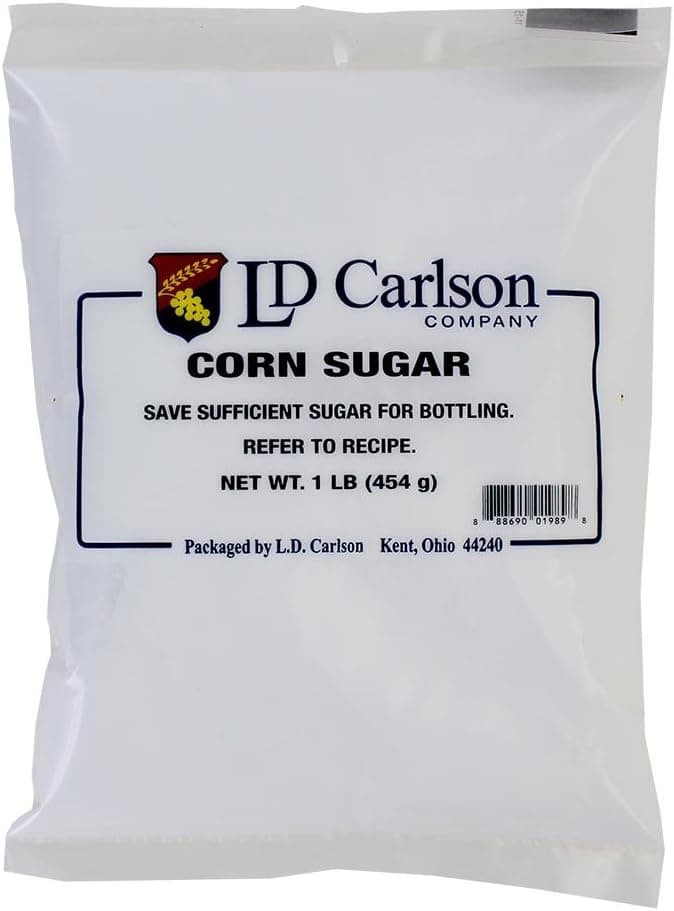
+ Dextrose ferments cleanly without adding flavor to the finished beer
From our guide: Best Priming Sugar for Bottle Conditioning (2026)
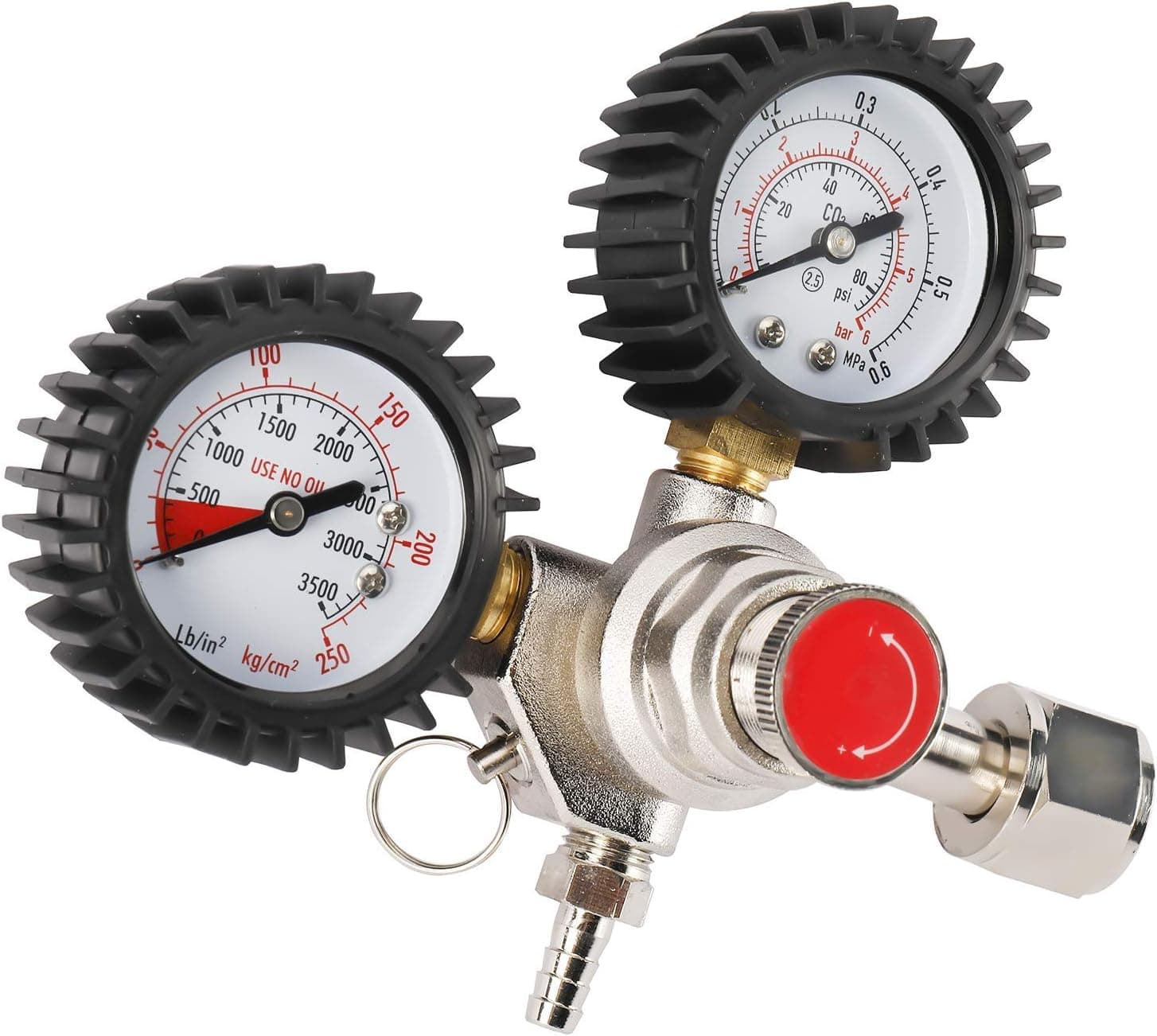
+ Dual gauges show both tank pressure and serving pressure
From our guide: Best CO2 Regulators for Homebrew Kegging (2026)
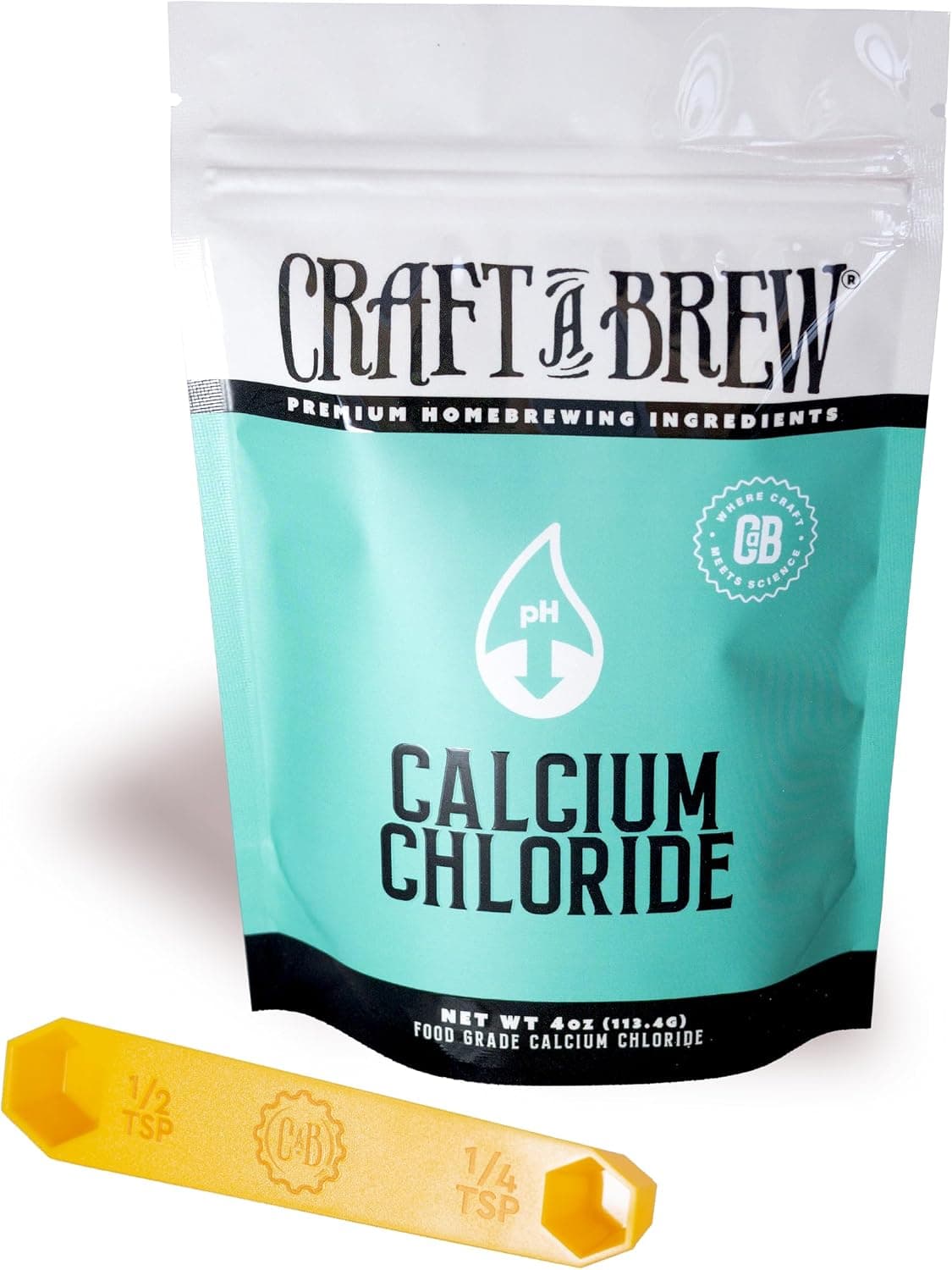
+ Calcium chloride rounds out malt character in hazy IPAs and stouts
From our guide: Best Water Treatment Salts for Homebrewing (2026)
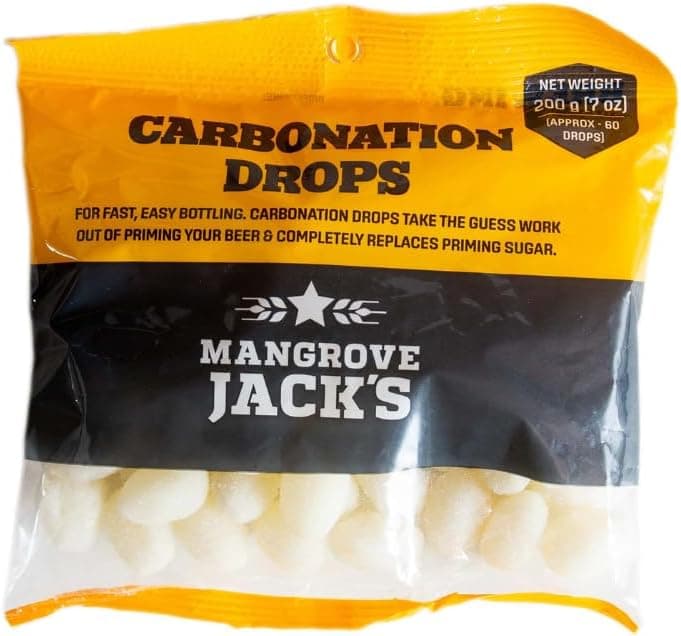
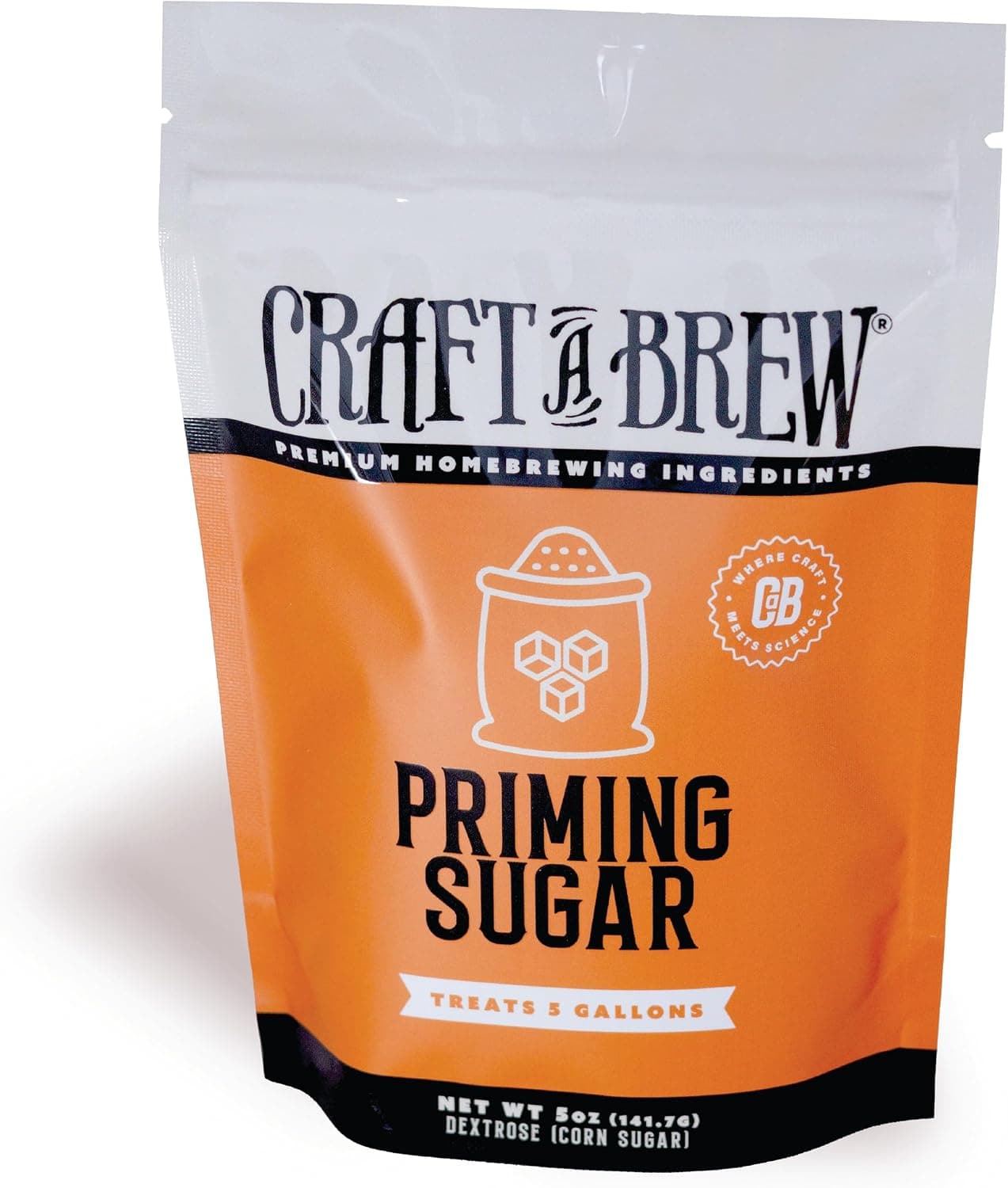
+ 5 oz bag is pre-portioned for a standard batch, so no weighing
From our guide: Best Priming Sugar for Bottle Conditioning (2026)
Popular right now
- How to Store Hops and Grain ProperlyArticle
- Best Brew in a Bag (BIAB) Bags for Homebrewing (2026)Buying guide
- Cleaning and Sanitizing KitCollection
- Fermentation Temperature ControlCollection
- First Extract Brew KitCollection
- Reading Original and Final Gravity to Calculate ABVArticle
Based on the last 28 days of search and visitor data.