Your First All-Grain Brew Day
Published How we research
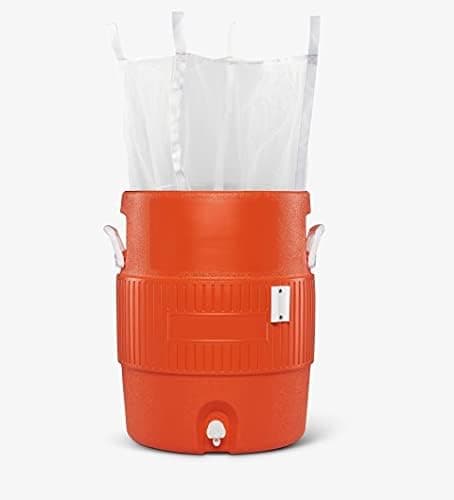
Your first all-grain brew day is a milestone, and knowing the flow of the day in advance takes away much of the nervousness. All-grain brewing means you create fermentable wort from raw malted grain yourself, rather than from extract. The day is longer and has more steps than extract brewing, but each step is manageable once you understand what it does and why it matters.
The day begins with the mash. You heat your brewing water to a target temperature, then stir in your crushed grain to create a thick porridge. Held within a specific temperature range for about an hour, natural enzymes in the malt convert the grain's starches into fermentable sugars. Hitting and holding your mash temperature is the most important skill of the day, because it determines how fermentable and full-bodied your beer will be.
After the mash you separate the sweet liquid, called wort, from the spent grain. This is done through lautering and sparging. You slowly drain the wort from beneath the grain bed, which acts as a natural filter, while rinsing the grain with additional hot water to wash out the remaining sugars. Going slowly and gently here improves your efficiency and helps avoid a stuck run-off where the flow clogs.
With your wort collected, you move to the boil, which usually lasts about an hour. Boiling sanitizes the wort, drives off unwanted compounds, and is when you add hops on a schedule. Hops added early provide bitterness, those added in the middle contribute flavor, and late additions give aroma. The boil also concentrates the wort slightly and causes proteins to clump so they can settle out later.
When the boil ends you need to cool the wort quickly to a temperature safe for yeast. Rapid cooling helps the beer clear and reduces the window in which airborne microbes could take hold. Brewers use an immersion chiller, a counterflow chiller, or an ice bath depending on their setup. Once cooled, you transfer the wort to a sanitized fermenter, aerate it, and pitch your yeast to begin fermentation.
Expect your first all-grain day to run four to six hours and to include a few surprises, such as missing your target temperature slightly or getting less wort than planned. That is completely normal, and none of it will ruin your beer. Keep notes on your temperatures, volumes, and timings so you can adjust next time. Each batch teaches you something, and within a few brews the whole process will feel comfortable and rewarding.
Products from this article
The highest-scoring picks from the buying guides mentioned above. Scores are our editorial assessment, not customer ratings.
+ Sewn-in handles make lifting a heavy wet grain bill out of the kettle much easier
From our guide: Best Brew in a Bag (BIAB) Bags for Homebrewing (2026)
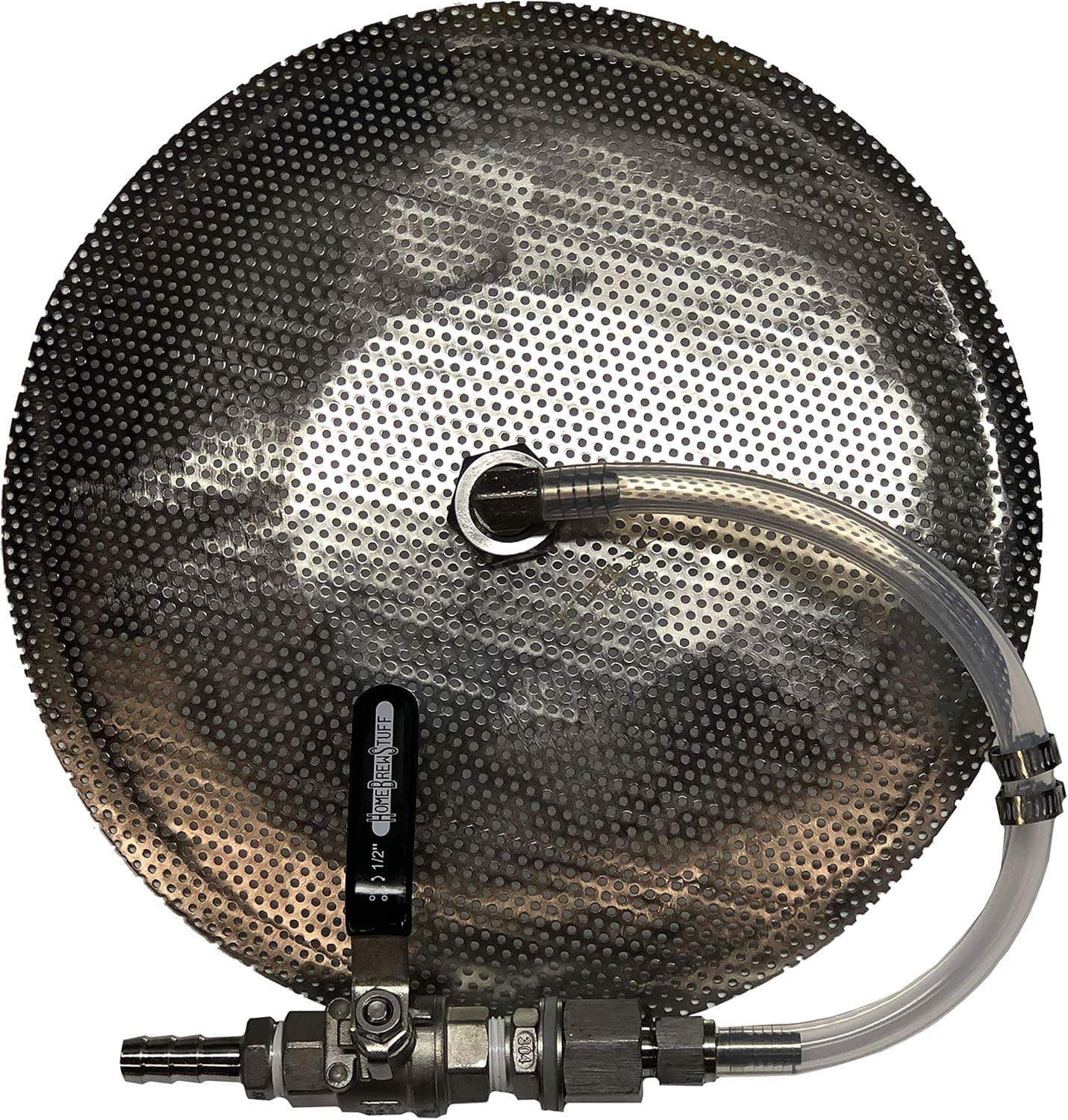
+ Ball valve lets you control runoff speed precisely during lautering
From our guide: Best Mash Tuns for Homebrewing (2026)
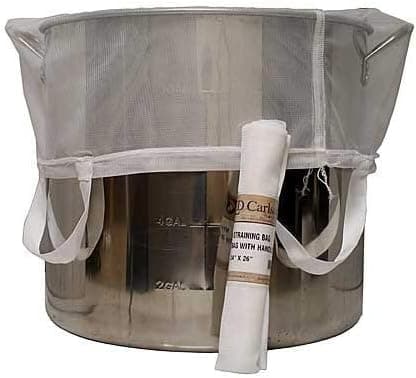
+ Handles give a secure grip when hoisting a saturated grain bag from hot wort
From our guide: Best Brew in a Bag (BIAB) Bags for Homebrewing (2026)
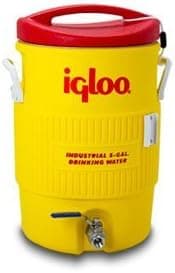
+ Igloo cooler holds mash temperature well over a full hour rest
From our guide: Best Mash Tuns for Homebrewing (2026)
Popular right now
- How to Store Hops and Grain ProperlyArticle
- Best Brew in a Bag (BIAB) Bags for Homebrewing (2026)Buying guide
- Cleaning and Sanitizing KitCollection
- Fermentation Temperature ControlCollection
- First Extract Brew KitCollection
- Reading Original and Final Gravity to Calculate ABVArticle
Based on the last 28 days of search and visitor data.