Choosing the Right Yeast for Your Beer
Published How we research
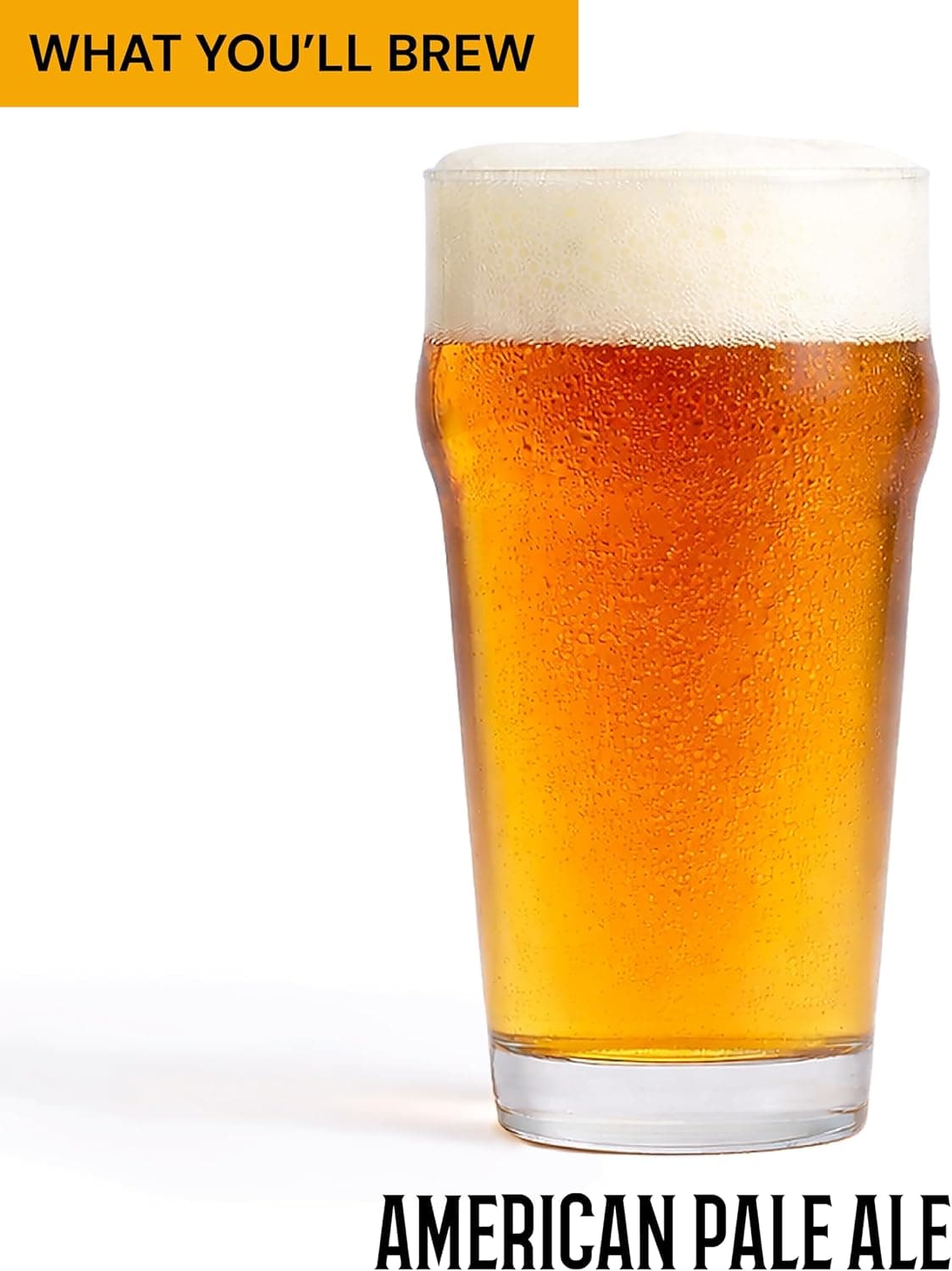
Yeast is often called the most important ingredient in beer, and for good reason. It does far more than turn sugar into alcohol; the strain you choose shapes the beer's flavor, aroma, clarity, and body. Two identical worts fermented with different yeast strains can taste like completely different beers. Learning how to choose a strain that fits your recipe is a skill that separates thoughtful brewers from those who leave it to chance.
The first decision is ale versus lager, which refers to two broad families of brewing yeast. Ale yeast ferments warmer and faster and tends to produce fruity and spicy characters that suit styles like pale ales, stouts, and Belgian beers. Lager yeast ferments cooler and slower and produces very clean, crisp beers, but it requires cold conditioning and better temperature control. Choose the family that matches both your target style and the conditions you can provide.
Within each family, strains differ in attenuation, which is how much of the available sugar they ferment. A highly attenuative strain leaves the beer drier and more alcoholic, while a low-attenuation strain leaves more residual sweetness and body. Yeast suppliers publish an expected attenuation range for each strain, so you can match it to whether you want a crisp, dry finish or a fuller, maltier one.
Flavor and aroma are where yeast really shines. Some strains are prized for being neutral, letting the malt and hops take center stage, which is ideal for clean American styles. Others are chosen precisely for the esters and phenols they contribute, such as the banana and clove notes of a German wheat beer or the peppery, fruity character of a Belgian ale. Read the strain descriptions and pick one whose character supports the beer you imagine.
Temperature range and flocculation round out the decision. Every strain lists a recommended fermentation temperature, and choosing one that matches the conditions you can hold will save you from off-flavors. Flocculation describes how readily the yeast clumps and settles out when fermentation ends; high flocculation gives clearer beer faster, while low flocculation can leave a haze that some styles actually call for.
Finally, consider the practical form the yeast comes in and how much you need. A larger or higher-gravity batch requires more healthy yeast cells to ferment cleanly, which may mean using multiple packets or making a starter. Matching the amount of yeast to the size and strength of your batch is just as important as picking the right strain, because underpitching stresses the yeast and invites off-flavors.
Products from this article
The highest-scoring picks from the buying guides mentioned above. Scores are our editorial assessment, not customer ratings.
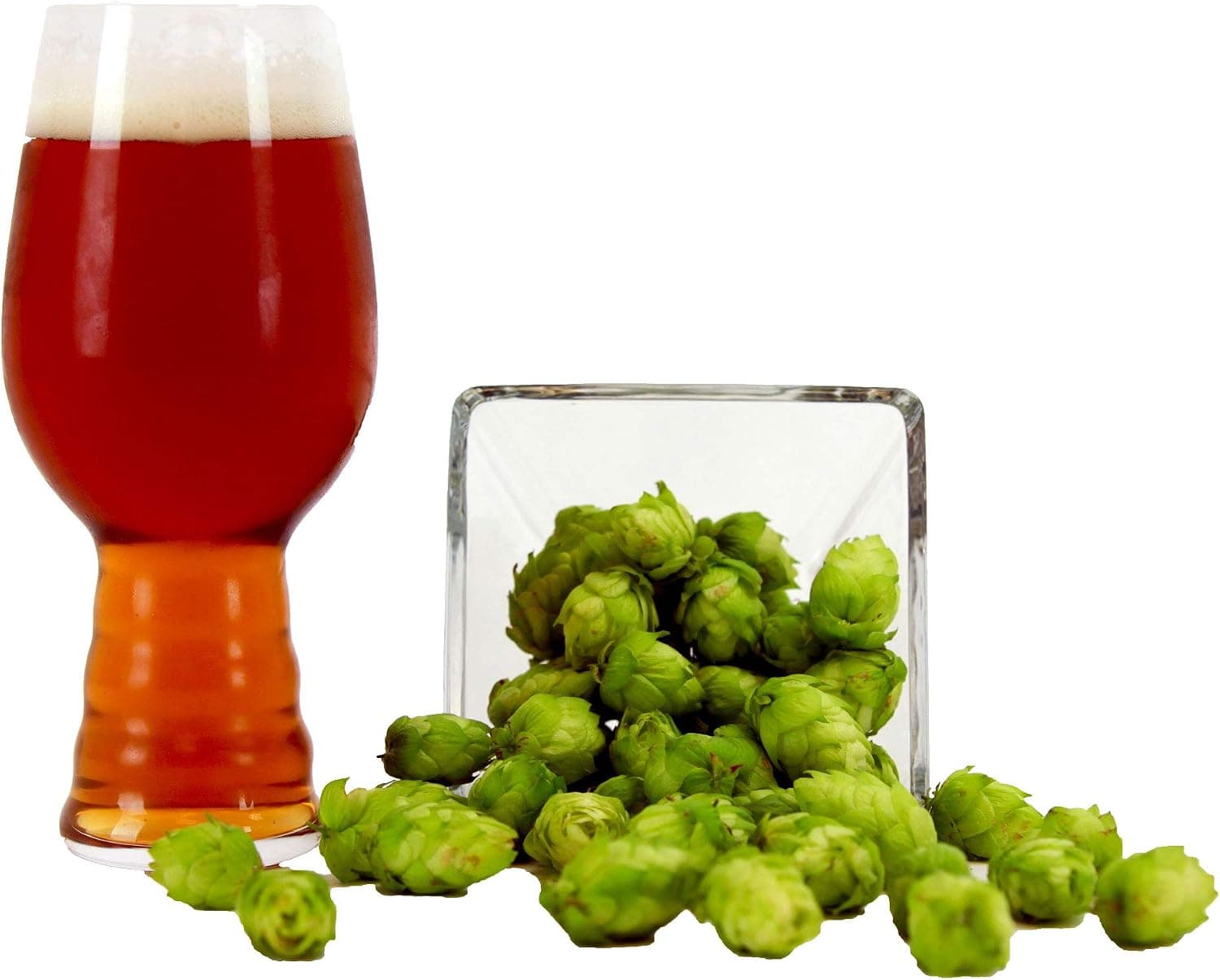
+ Single-hop Mosaic recipe is a great way to learn one hop's character
From our guide: Best Beer Recipe Kits for Homebrewing (2026)
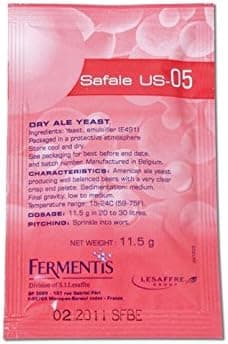
+ Pack of 5 sachets covers several batches of American ale
From our guide: Best Brewing Yeast for Homebrewing (2026)
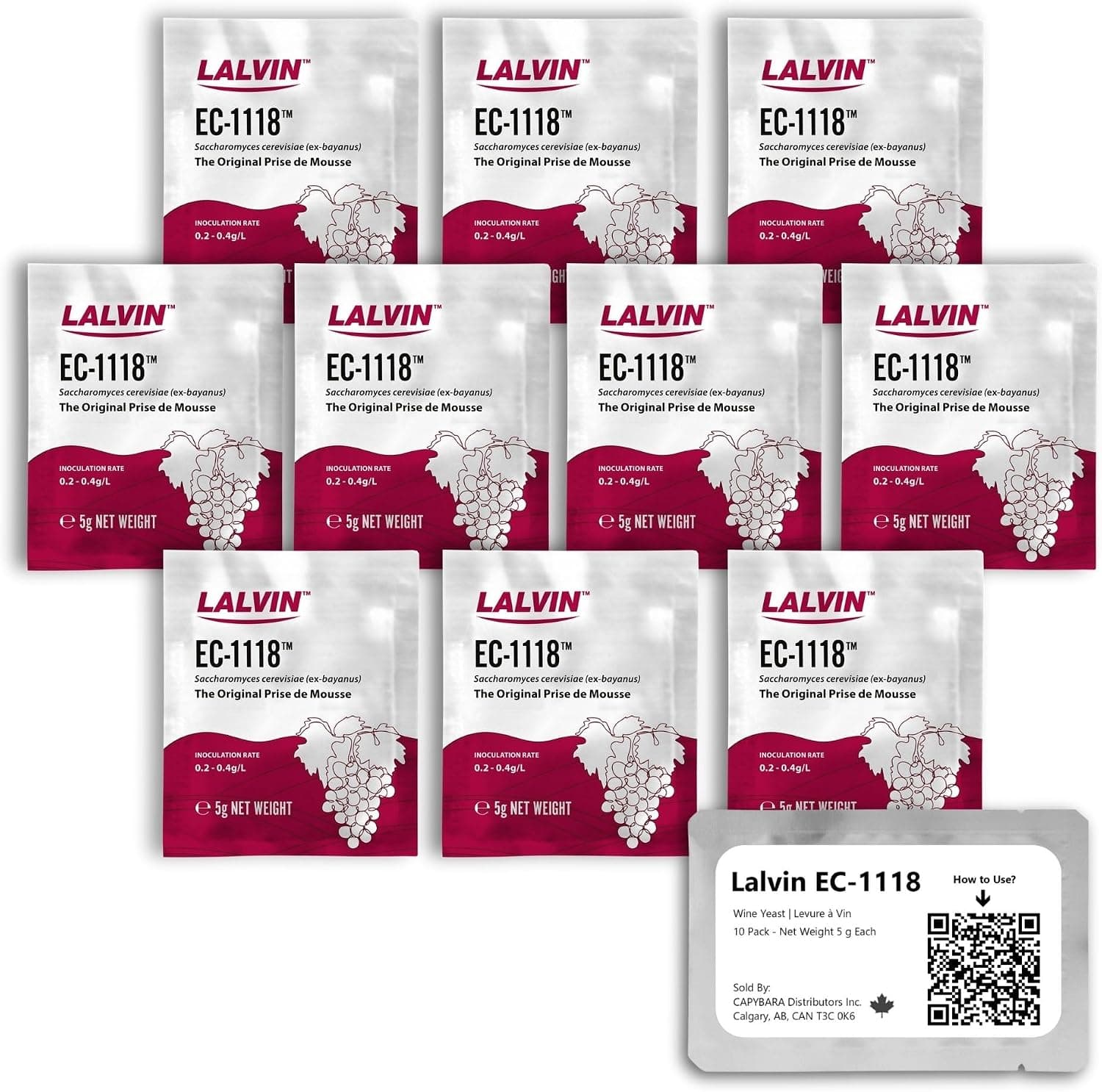
+ EC-1118 ferments reliably even in high alcohol musts
From our guide: Best Wine Yeast for Home Winemaking (2026)
+ Session strength means a hoppy beer you can enjoy more than one of
From our guide: Best Beer Recipe Kits for Homebrewing (2026)
Popular right now
- How to Store Hops and Grain ProperlyArticle
- Best Brew in a Bag (BIAB) Bags for Homebrewing (2026)Buying guide
- Cleaning and Sanitizing KitCollection
- Fermentation Temperature ControlCollection
- First Extract Brew KitCollection
- Reading Original and Final Gravity to Calculate ABVArticle
Based on the last 28 days of search and visitor data.