Brew in a Bag Method Explained
Published How we research
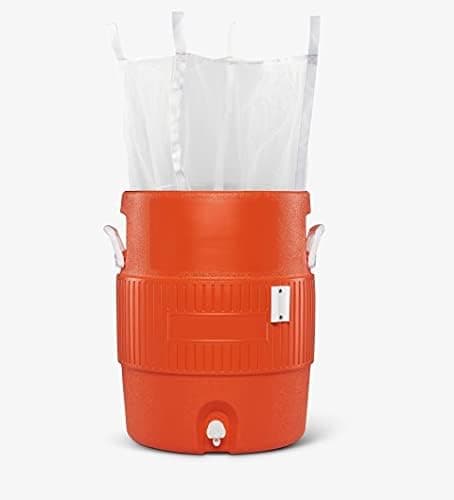
Brew in a bag (BIAB) collapses all-grain brewing into one kettle: you line it with a mesh bag, mash directly in the full water volume, then simply lift the grain bag out to drain. The equipment list is short, just a large kettle, a mesh bag, and a heat source, often with insulation to hold mash temperature. The mash step works like any all-grain brew, holding temperature for about an hour to convert starch to sugar. After draining and optionally squeezing the bag, you boil, hop, cool, and ferment as usual, compensating for slightly lower efficiency with a bit more grain. BIAB offers full-grain control with far less equipment. Brew in a bag, often shortened to BIAB, is a streamlined way to make all-grain beer using a single vessel and a large mesh bag. It removes much of the equipment and complexity of traditional all-grain brewing, making the full-grain process accessible to brewers with limited space or budget. For many homebrewers it is the ideal bridge between extract brewing and a multi-vessel all-grain system.
BIAB collapses all-grain brewing into one kettle
In a conventional all-grain setup you mash in one vessel, then transfer and rinse the grain in a separate lauter tun before boiling in a kettle. Brew in a bag collapses all of that into one kettle. You line the kettle with a fine mesh bag, add your crushed grain, and mash directly in the full or nearly full volume of brewing water. When the mash is done, you simply lift the bag of spent grain out and let it drain.
The equipment list is short
Because everything happens in one pot, the equipment list is short. You need a kettle large enough to hold all your water and grain, a mesh bag sized to fit it, and a way to heat the kettle and hold a mash temperature. Many brewers add insulation, such as wrapping the kettle in a blanket during the mash, to keep the temperature stable. There is no separate mash tun, no sparge arm, and far less liquid to transfer between vessels.
The mash step works the same as any all-grain brew
The mash step works the same way it does in any all-grain brew. You heat your water to a target temperature, stir in the grain, and hold the mash within a range that converts starch to sugar, typically for about an hour. Maintaining an even temperature can take a little attention since the kettle can lose heat, so brewers stir occasionally, apply gentle heat, or insulate the vessel to keep the mash in range.
Draining and finishing the brew day
When conversion is complete you lift the bag and let it drain, sometimes giving it a gentle squeeze or a rinse with warm water to recover more sugar. Then you boil the wort, add hops on schedule, cool, and ferment exactly as in any other method. Because BIAB often uses full-volume mashing without a traditional sparge, efficiency can be slightly lower, which you compensate for by adding a little more grain.
Simplicity without giving up control
The appeal of brew in a bag is simplicity without giving up the control of all-grain brewing. You still choose your own grains, control your mash temperature, and shape the body of your beer, but with fewer vessels to clean and less liquid to move around. For anyone curious about all-grain who does not want to invest in a full system, BIAB is an excellent and forgiving place to start.
Frequently asked questions
What is brew in a bag (BIAB)? A streamlined all-grain brewing method that uses a single kettle lined with a large mesh bag instead of a separate mash tun and lauter tun, simplifying the process significantly.
What equipment do you need for brew in a bag? Just a kettle large enough to hold all your water and grain, a mesh bag sized to fit it, and a way to heat the kettle and hold a mash temperature.
Is brew in a bag less efficient than traditional all-grain brewing? Slightly, since BIAB often uses full-volume mashing without a traditional sparge, but brewers compensate by adding a little more grain to the recipe.
Is brew in a bag a good way to start all-grain brewing? Yes, it offers the control of choosing your own grains and mash temperature with fewer vessels to clean, making it an excellent, forgiving entry point into all-grain brewing.
Products from this article
The highest-scoring picks from the buying guides mentioned above. Scores are our editorial assessment, not customer ratings.
+ Sewn-in handles make lifting a heavy wet grain bill out of the kettle much easier
From our guide: Best Brew in a Bag (BIAB) Bags for Homebrewing (2026)
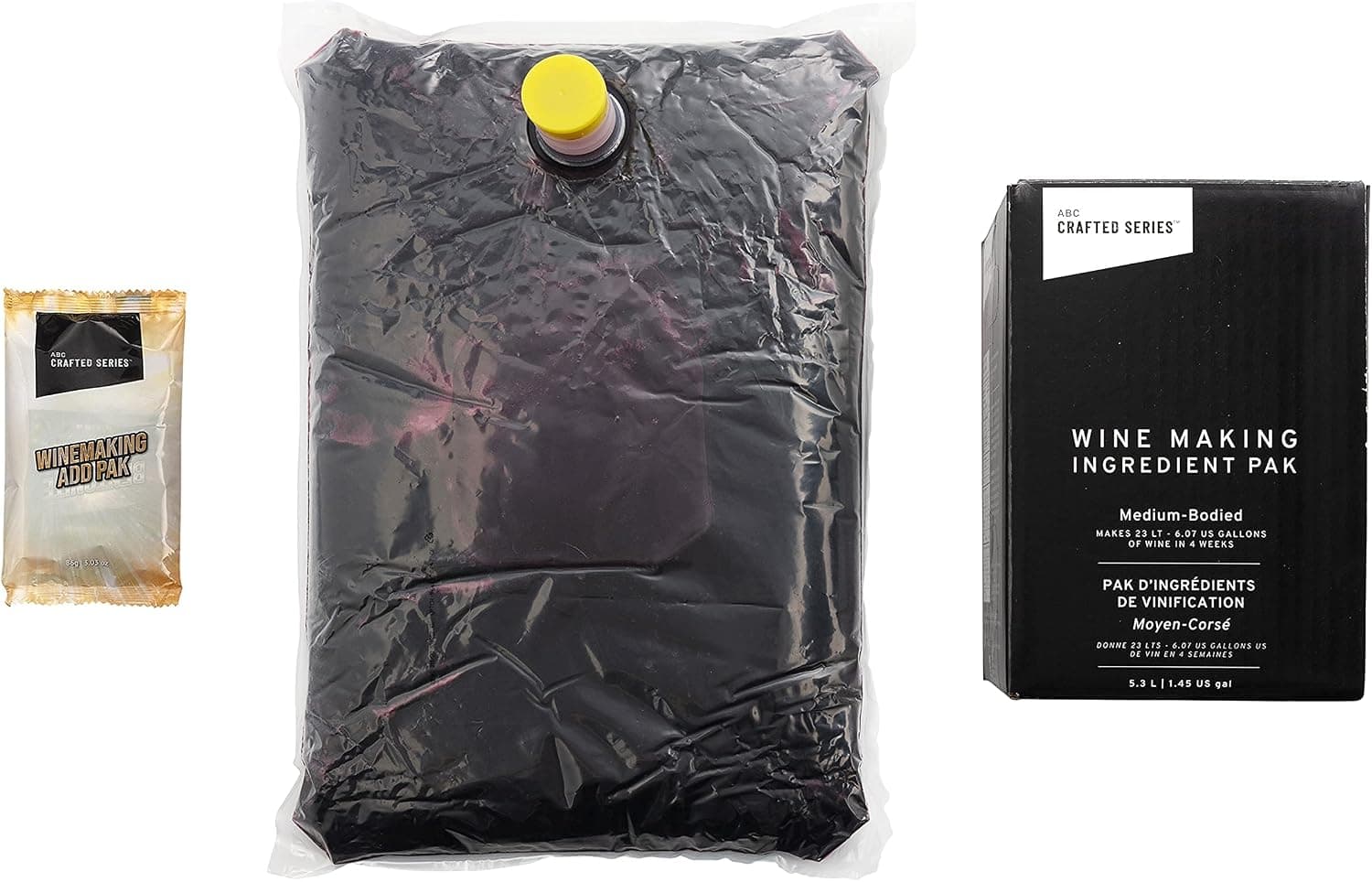
+ 30 Bottles yield gives a large supply of homemade Merlot
From our guide: Best Wine Making Kits
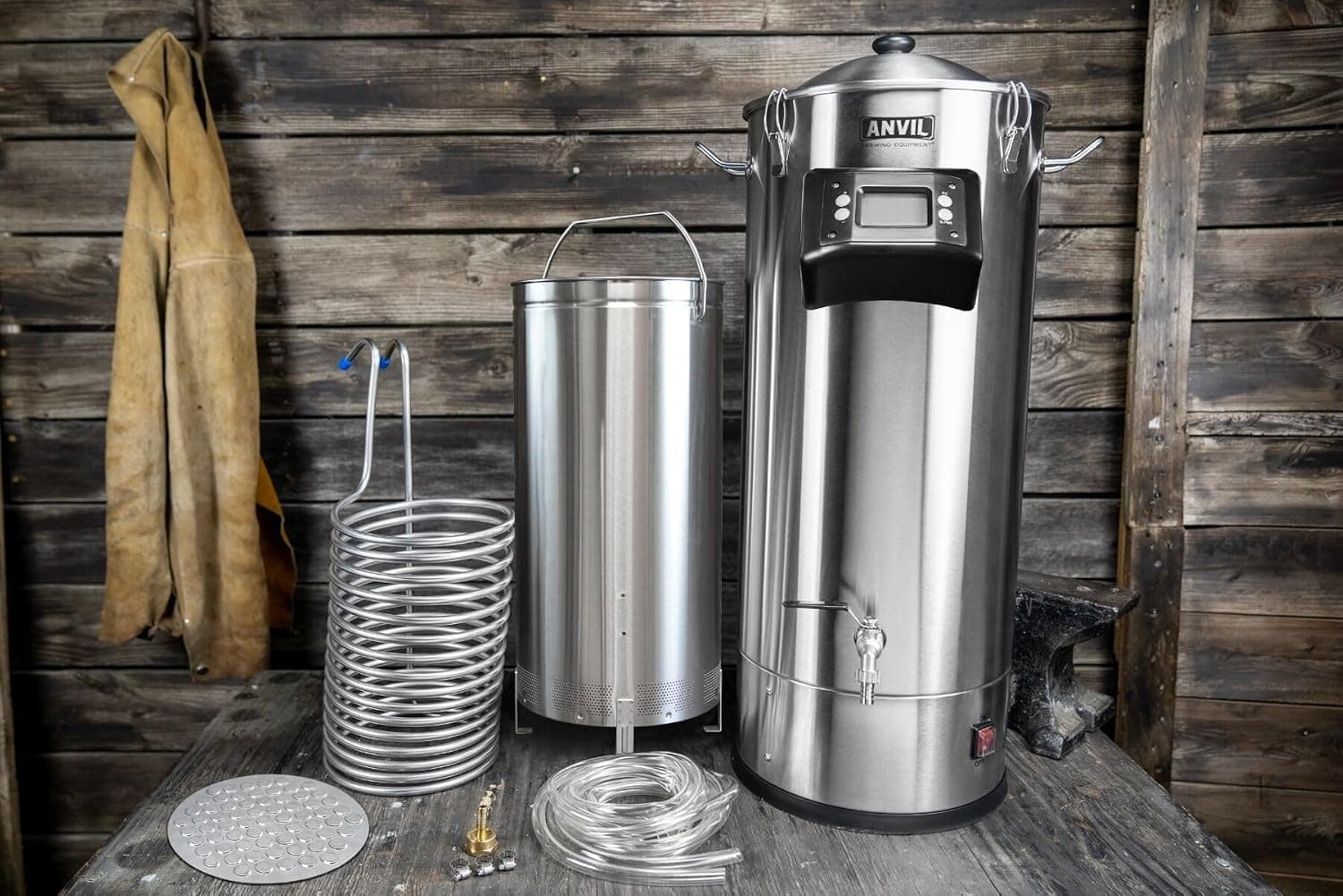
+ Dual 240V/120V support lets you brew on a normal outlet now and upgrade to faster power later
From our guide: Best All-in-One Brewing Systems for Homebrewing (2026)
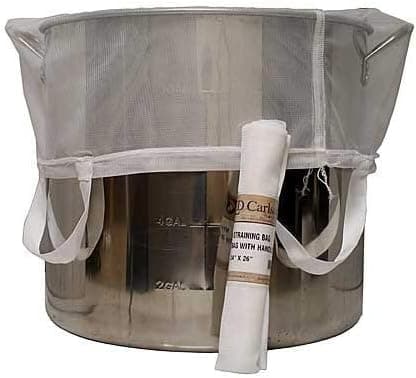
+ Handles give a secure grip when hoisting a saturated grain bag from hot wort
From our guide: Best Brew in a Bag (BIAB) Bags for Homebrewing (2026)
Popular right now
- How to Store Hops and Grain ProperlyArticle
- Best Brew in a Bag (BIAB) Bags for Homebrewing (2026)Buying guide
- Cleaning and Sanitizing KitCollection
- Fermentation Temperature ControlCollection
- First Extract Brew KitCollection
- Reading Original and Final Gravity to Calculate ABVArticle
Based on the last 28 days of search and visitor data.