Cleaning vs Sanitizing
Published How we research

Beginning brewers often use the words cleaning and sanitizing as if they mean the same thing, but they are two distinct steps that do different jobs. Confusing them is a common reason batches get infected. Understanding what each one accomplishes, and why you always do them in a specific order, is fundamental to making consistently good beer that does not develop off-flavors or spoilage.
Cleaning is the process of removing visible soil: dried wort, sugar residue, yeast, hop matter, and any other organic gunk clinging to your equipment. You do this with water and a detergent or a dedicated brewing cleaner, often with some scrubbing or soaking. Cleaning does not necessarily kill microorganisms, but it removes the material they feed on and hide in, leaving a physically clean surface.
Sanitizing is the process of reducing the living microorganisms on a surface to a level that is safe for brewing. A sanitizer does not sterilize, which would mean killing absolutely everything, but it lowers the population of bacteria and wild yeast enough that your pitched brewing yeast can dominate. Sanitizing is done with a chemical sanitizer or with heat, applied for the contact time the product specifies.
The order is non-negotiable: clean first, then sanitize. This is because sanitizers cannot work properly on a dirty surface. Organic residue physically shields microbes from the sanitizer and can chemically neutralize it, so trying to sanitize over grime wastes the product and leaves live contaminants behind. Only after a surface is truly clean can a sanitizer reach and reduce the microbes on it.
The two steps also apply at different points in the process. You clean equipment thoroughly after every use so nothing dries on and becomes hard to remove later, and you clean again before a brew day if items have been in storage. You sanitize only what will touch the beer after the boil, and you do it right before use so the surface stays sanitary. Sanitizing something and then letting it sit for hours defeats the purpose.
Think of it as a partnership: cleaning prepares the surface and sanitizing protects the beer. Neglect cleaning and your sanitizer fails; neglect sanitizing and even a spotless surface can carry enough microbes to spoil a batch. Building both steps into a fixed routine, always in the right order, is one of the simplest and most reliable ways to keep your homebrew tasting the way you intended.
Products from this article
The highest-scoring picks from the buying guides mentioned above. Scores are our editorial assessment, not customer ratings.
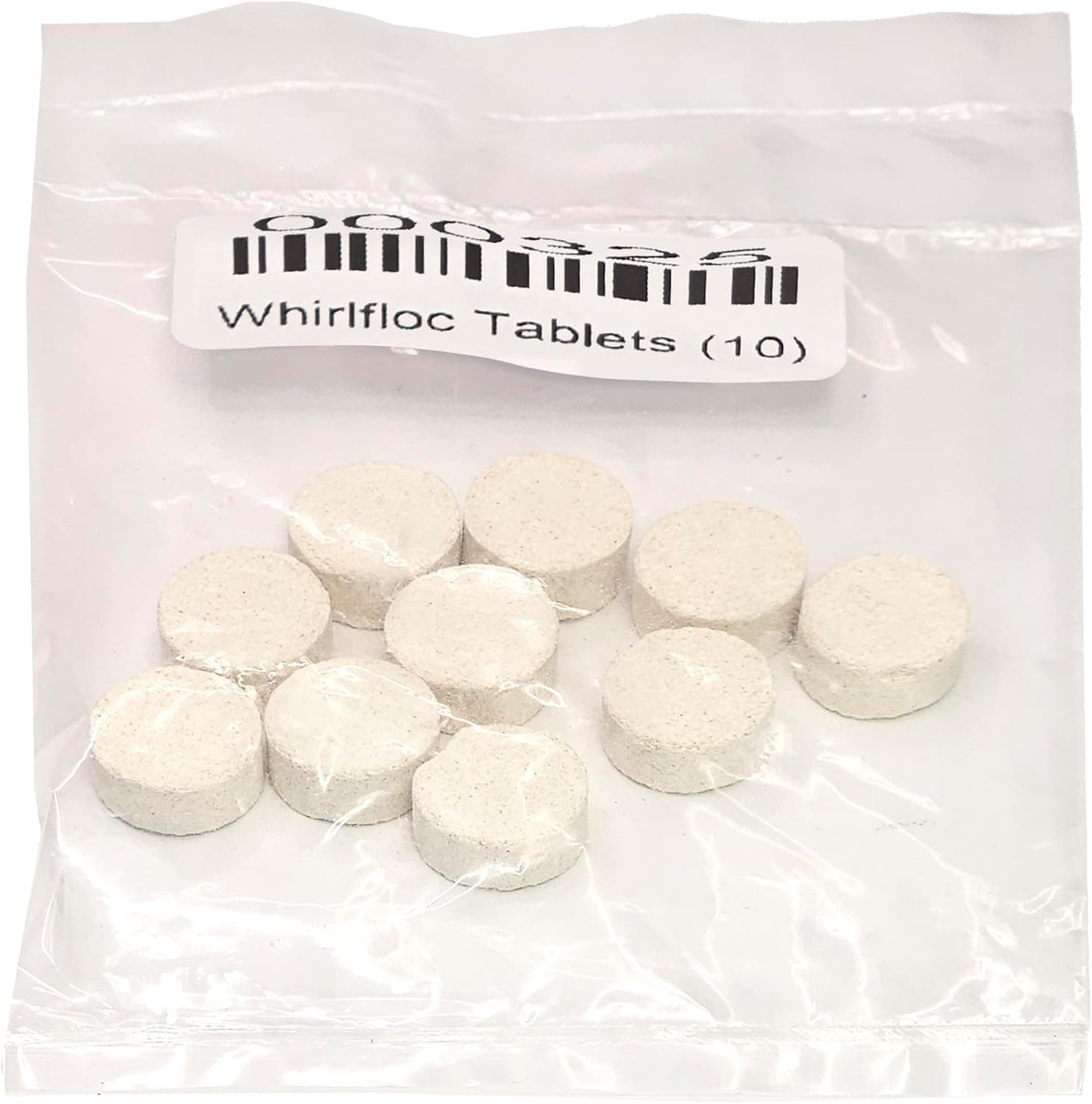
+ 10 count pack matches one tablet per batch for ten brew days
From our guide: Best Brewing Finings for Clearing Beer (2026)
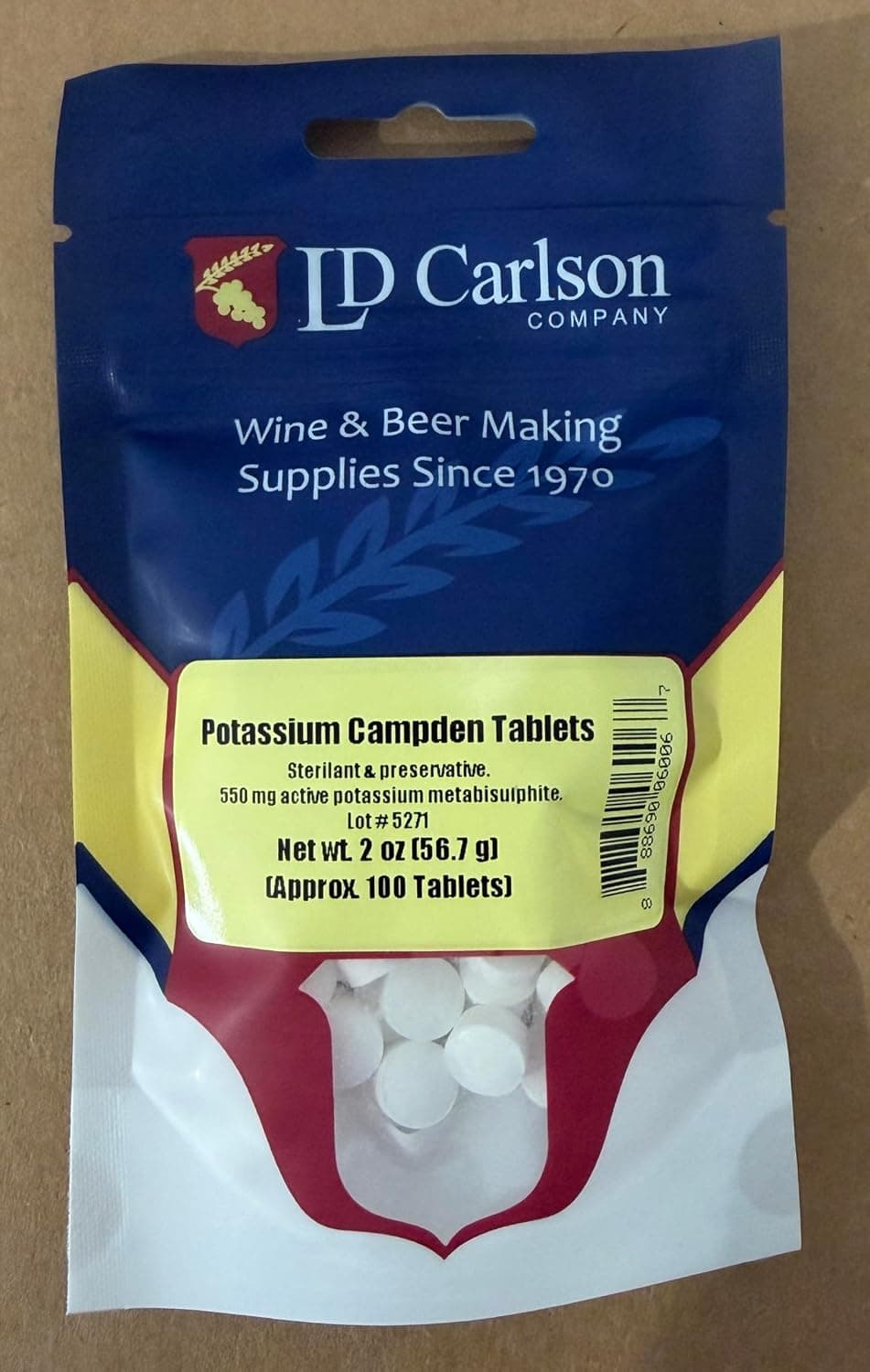
+ 550 mg per tablet makes dosing calculations straightforward
From our guide: Best Campden Tablets for Home Winemaking and Brewing (2026)
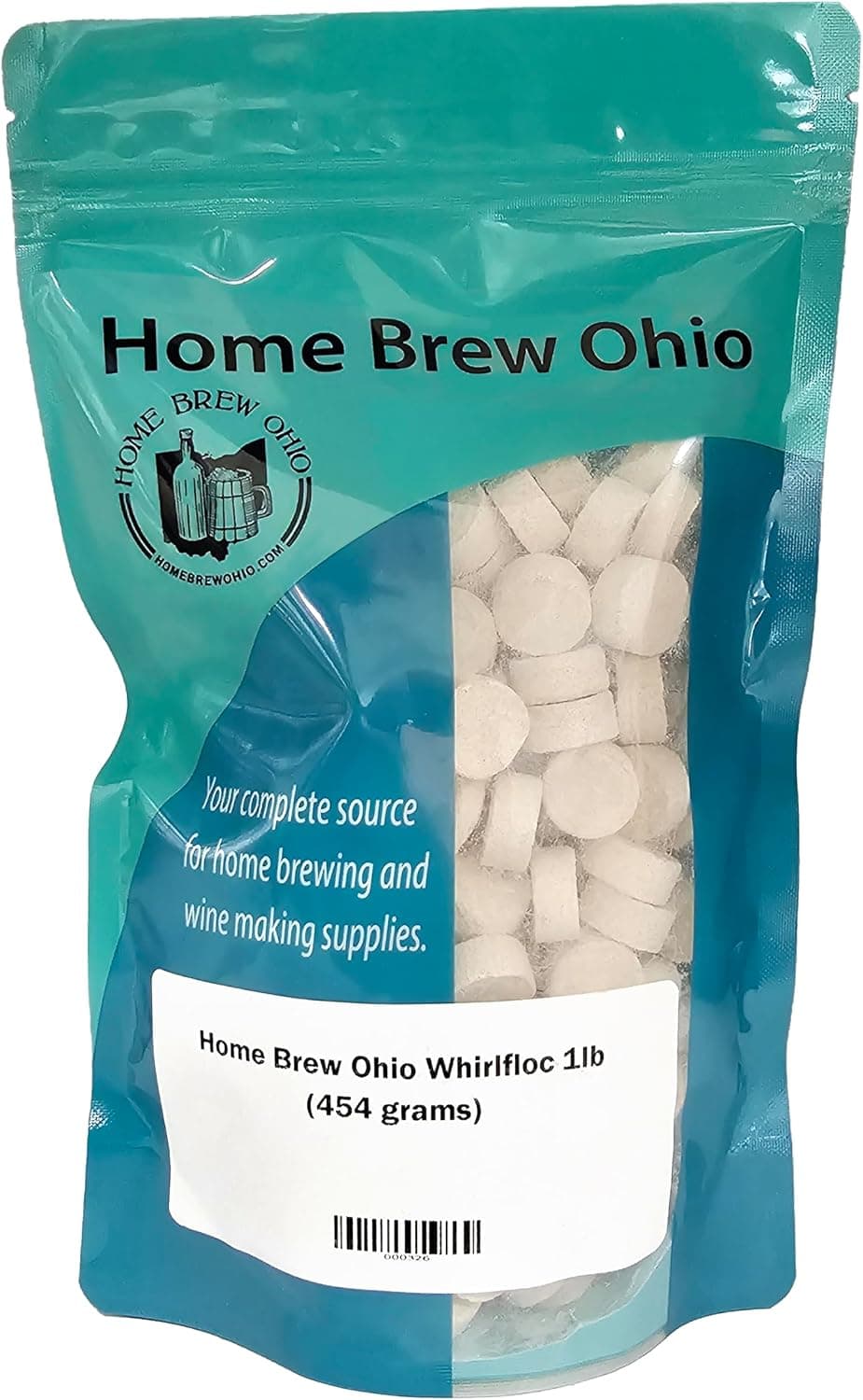
+ Whirlfloc tablets help proteins drop out at the end of the boil
From our guide: Best Brewing Finings for Clearing Beer (2026)
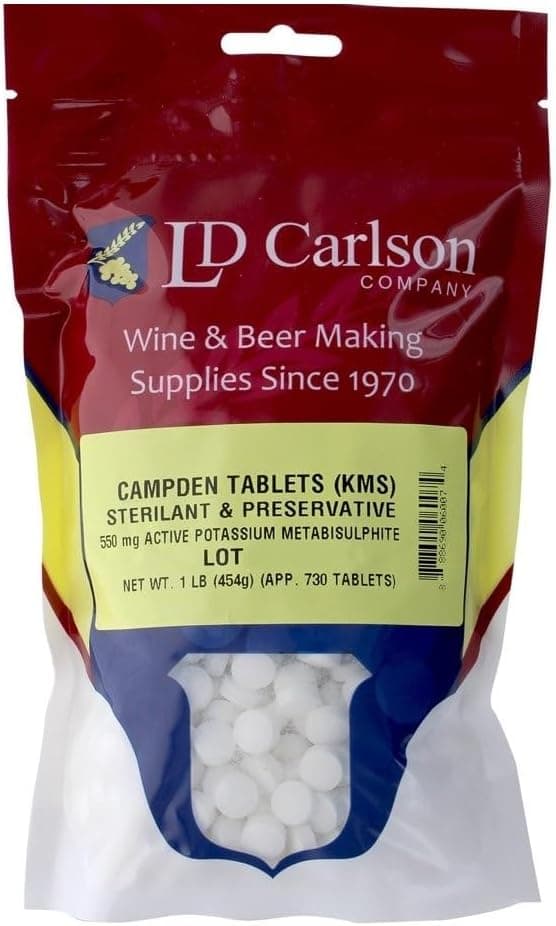
+ 1 Pound supply lasts a very long time for home winemakers
From our guide: Best Campden Tablets for Home Winemaking and Brewing (2026)
Popular right now
- How to Store Hops and Grain ProperlyArticle
- Best Brew in a Bag (BIAB) Bags for Homebrewing (2026)Buying guide
- Cleaning and Sanitizing KitCollection
- Fermentation Temperature ControlCollection
- First Extract Brew KitCollection
- Reading Original and Final Gravity to Calculate ABVArticle
Based on the last 28 days of search and visitor data.