How to Sanitize Brewing Gear the Right Way
Published How we research
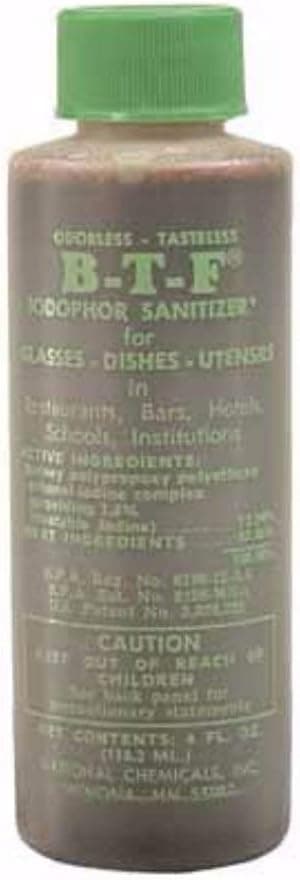
Cleaning removes visible dirt while sanitizing reduces microbes on an already clean surface, so always clean first and sanitize second. No-rinse acid-based sanitizers, mixed to the label's exact dilution, work in a minute or two and are the most popular choice. Apply sanitizer to every surface touching beer after the boil, fermenters, airlocks, tubing, bottling wands, paying extra attention to hoses where residue hides. Heat sanitizing works for glass and metal but not plastic or rubber; air dry sanitized items rather than wiping with a towel. Build sanitation into an automatic routine, since it's what separates good beer from mystery infections. Sanitation is the single most important habit in homebrewing. You can nail every other step, but if wild yeast or bacteria get into your cooled wort, the batch can turn sour, cloudy, or off-flavored. Anything that touches your beer after the boil must be sanitized, because the boil is the last point where high heat kills microbes for you. From that moment on, cleanliness is entirely in your hands.
Cleaning and sanitizing are not the same step
Start by understanding the difference between cleaning and sanitizing, because they are not the same. Cleaning removes visible dirt, sugar residue, and organic material using a detergent or a dedicated brewing cleaner. Sanitizing then reduces the microorganisms on an already clean surface to a safe level. A sanitizer cannot work properly on a dirty surface, so always clean first, rinse if the product requires it, and sanitize second.
The most popular homebrew sanitizer
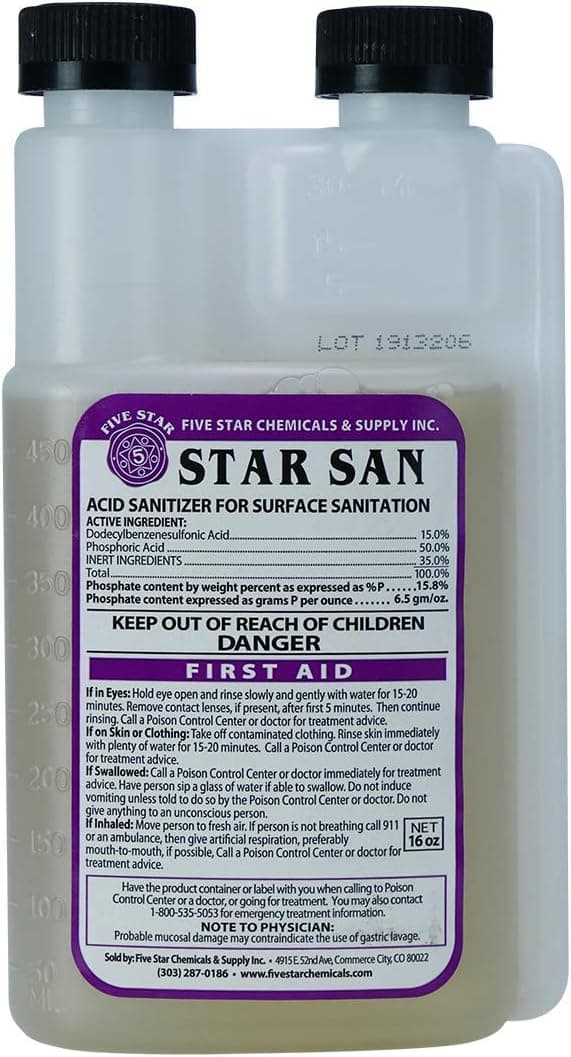
The most popular homebrew sanitizer is a no-rinse acid-based product that you mix with water to a specific concentration. When mixed correctly it foams, and that foam is fine to leave in contact with your equipment. These sanitizers work in a short contact time, often a minute or two, which makes them convenient during a busy brew day. Always follow the dilution instructions on the label, because too weak a mix will not sanitize and too strong wastes product.
Apply sanitizer to every surface that touches the beer
Apply sanitizer to every surface that will touch the beer: fermenters, lids, airlocks, spoons, hydrometer, thermometer probes, tubing, bottling wand, and bottle caps. A spray bottle filled with sanitizer solution is handy for quick touch-ups, while a bucket or bath works well for soaking many small parts at once. Pay special attention to hoses and valves, since sugar and yeast hide inside them where you cannot see.
Heat sanitizing is another option
Heat sanitizing is another option for items that tolerate it. Glass and metal can be sanitized in an oven or with boiling water, and some brewers run bottles through a dishwasher heat cycle without detergent. Avoid heat with plastic and rubber parts that can warp or degrade. Whatever method you choose, let sanitized items air dry on a clean rack rather than wiping them with a towel, because towels reintroduce microbes.
Build sanitation into your routine
Build sanitation into your routine so it becomes automatic. Prepare your sanitizer before you need it, keep a designated clean workspace, and resist the urge to touch the inside of anything after it is sanitized. If you drop a piece of tubing on the floor, sanitize it again. This discipline is what separates consistently good beer from the occasional mystery infection that ruins a batch.
Frequently asked questions
What is the difference between cleaning and sanitizing brewing gear? Cleaning removes visible dirt, sugar residue, and organic material with a detergent, while sanitizing then reduces microorganisms on an already clean surface, so cleaning must always happen first.
What sanitizer do most homebrewers use? A no-rinse acid-based product mixed with water to a specific concentration, which works in a short contact time of a minute or two and is convenient during a busy brew day.
Can I heat sanitize plastic homebrewing equipment? No, avoid heat with plastic and rubber parts that can warp or degrade; heat sanitizing in an oven, boiling water, or a dishwasher cycle works best for glass and metal.
Should I dry sanitized brewing equipment with a towel? No, let sanitized items air dry on a clean rack instead, since towels can reintroduce microbes onto an already sanitized surface.
Products from this article
The highest-scoring picks from the buying guides mentioned above. Scores are our editorial assessment, not customer ratings.
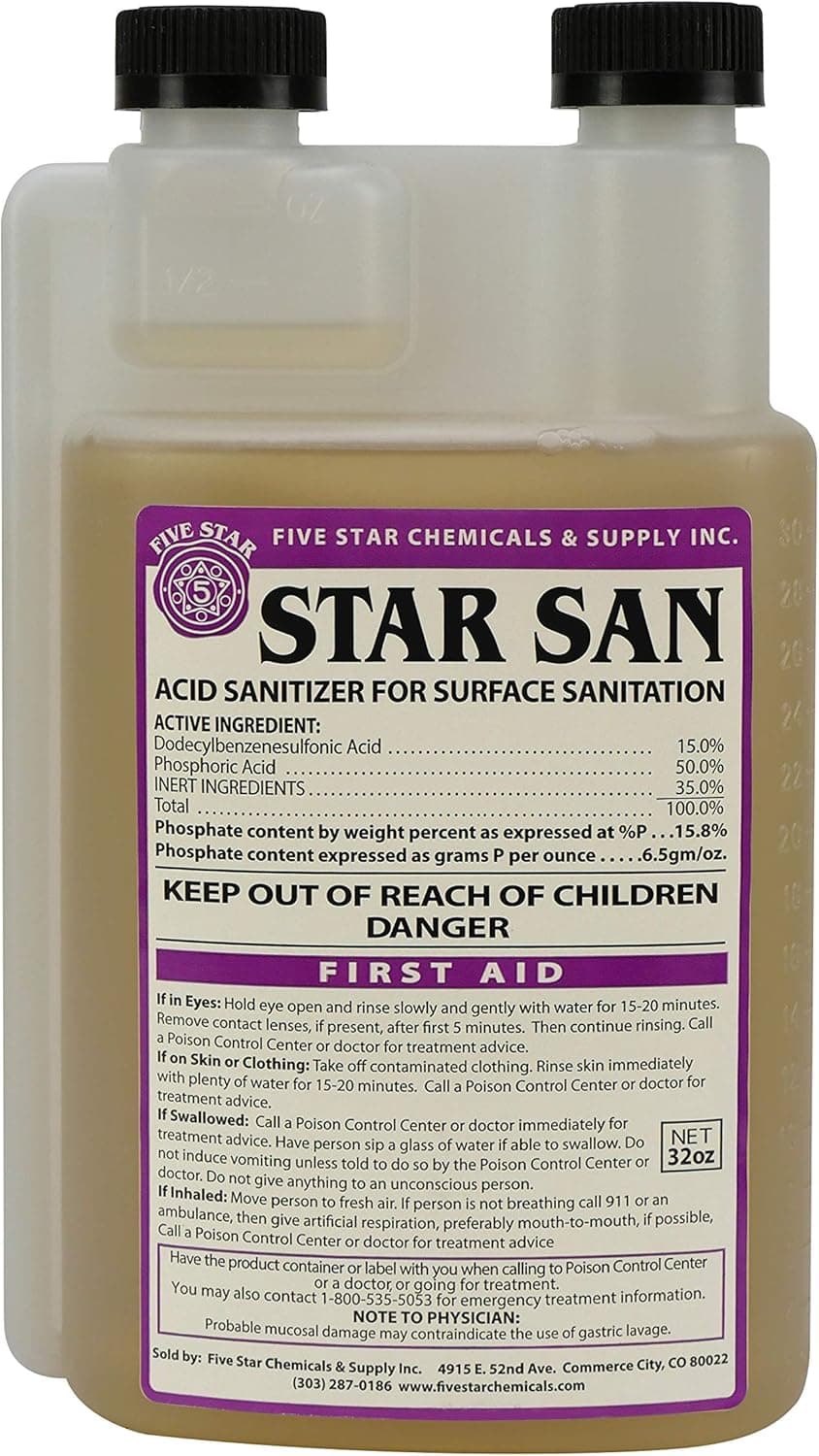
+ 32 Ounce bottle is the better value size for regular brewers
From our guide: Best Sanitizers for Homebrew (2026)
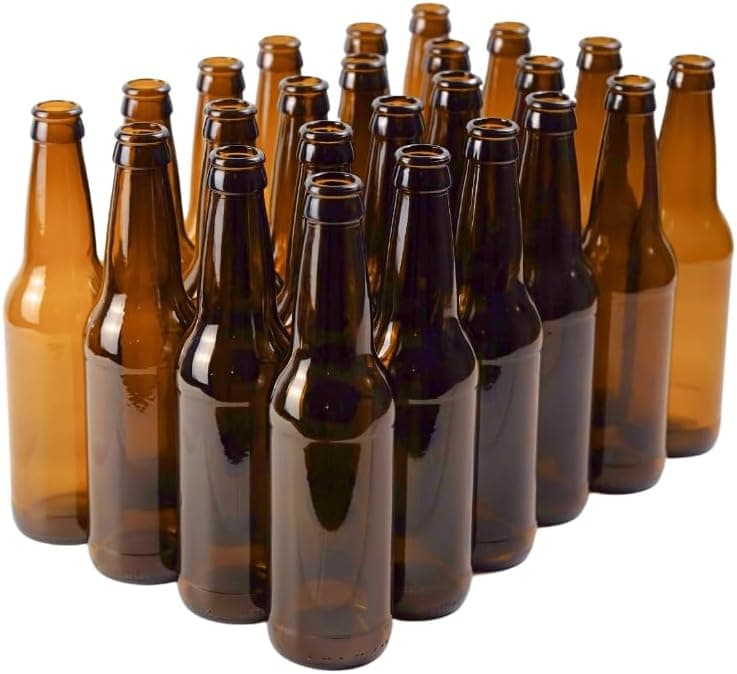
+ Pack of 24 bottles a good chunk of a batch
From our guide: Best Beer Bottles for Homebrew (2026)
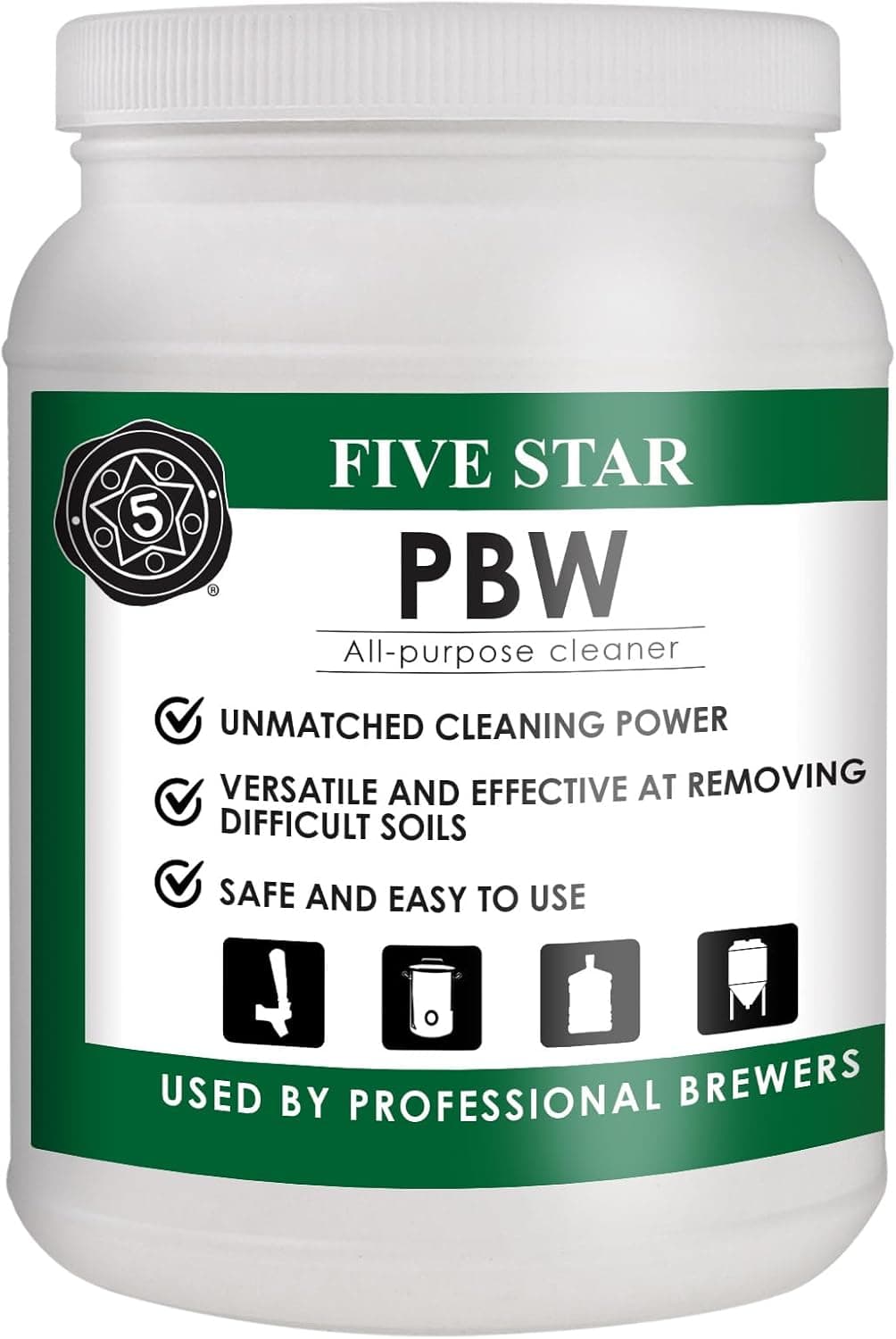
+ PBW is the homebrew standard for stubborn organic deposits
From our guide: Best Brewery Cleaners for Homebrew (2026)
+ 16 Ounce bottle makes hundreds of gallons of sanitizer solution
From our guide: Best Sanitizers for Homebrew (2026)
Popular right now
- How to Store Hops and Grain ProperlyArticle
- Best Brew in a Bag (BIAB) Bags for Homebrewing (2026)Buying guide
- Cleaning and Sanitizing KitCollection
- Fermentation Temperature ControlCollection
- First Extract Brew KitCollection
- Reading Original and Final Gravity to Calculate ABVArticle
Based on the last 28 days of search and visitor data.