Avoiding Common Off-Flavors in Homebrew
Published How we research

Off-flavors are unwanted tastes and aromas that can creep into homebrew, and learning to recognize them is the first step to eliminating them. Most off-flavors trace back to a handful of causes: fermentation problems, sanitation lapses, oxidation, or rushing the process. The good news is that once you know what causes each one, they are largely preventable with a few consistent habits.
One of the most common off-flavors is a green apple or cider-like taste caused by a compound called acetaldehyde. It usually means the beer was packaged before fermentation and conditioning were truly finished. The yeast normally cleans up this compound if you give it time, so the fix is patience: let the beer sit on the yeast for a while after the gravity stabilizes rather than rushing to bottle.
A buttery or butterscotch flavor comes from diacetyl, another compound the yeast produces and then reabsorbs. Leaving the beer to condition, and in some cases raising the temperature slightly near the end of fermentation for a rest, gives the yeast time to clean it up. Diacetyl can also come from bacterial contamination, which is one more reason to keep everything scrupulously sanitized.
Harsh, hot, solvent-like alcohol notes, known as fusel alcohols, typically result from fermenting too warm. High temperatures push the yeast to produce these rough compounds, which is why controlling fermentation temperature is so important. Keeping the beer within the yeast's recommended range, especially during the vigorous early days, produces a smoother, cleaner result and avoids that boozy harshness in otherwise moderate beers.
Stale, cardboard, or sherry-like flavors point to oxidation, which happens when oxygen contacts the beer after fermentation. Splashing during transfers, sloppy bottling, and long storage all accelerate it. Handle finished beer gently, avoid unnecessary transfers, minimize headspace, and package with care to keep oxygen out. Oxidation is largely a matter of technique once you know to watch for it.
Other culprits include chlorine or chloramine in tap water, which can create a medicinal, plastic-like flavor, and infections that produce sourness or funk when wild microbes get in. Treating your water to remove chlorine and maintaining strict sanitation address both. Keeping a tasting log, noting any off-flavors and the conditions of that batch, helps you connect symptoms to causes and steadily clean up your process over time.
Products from this article
The highest-scoring picks from the buying guides mentioned above. Scores are our editorial assessment, not customer ratings.
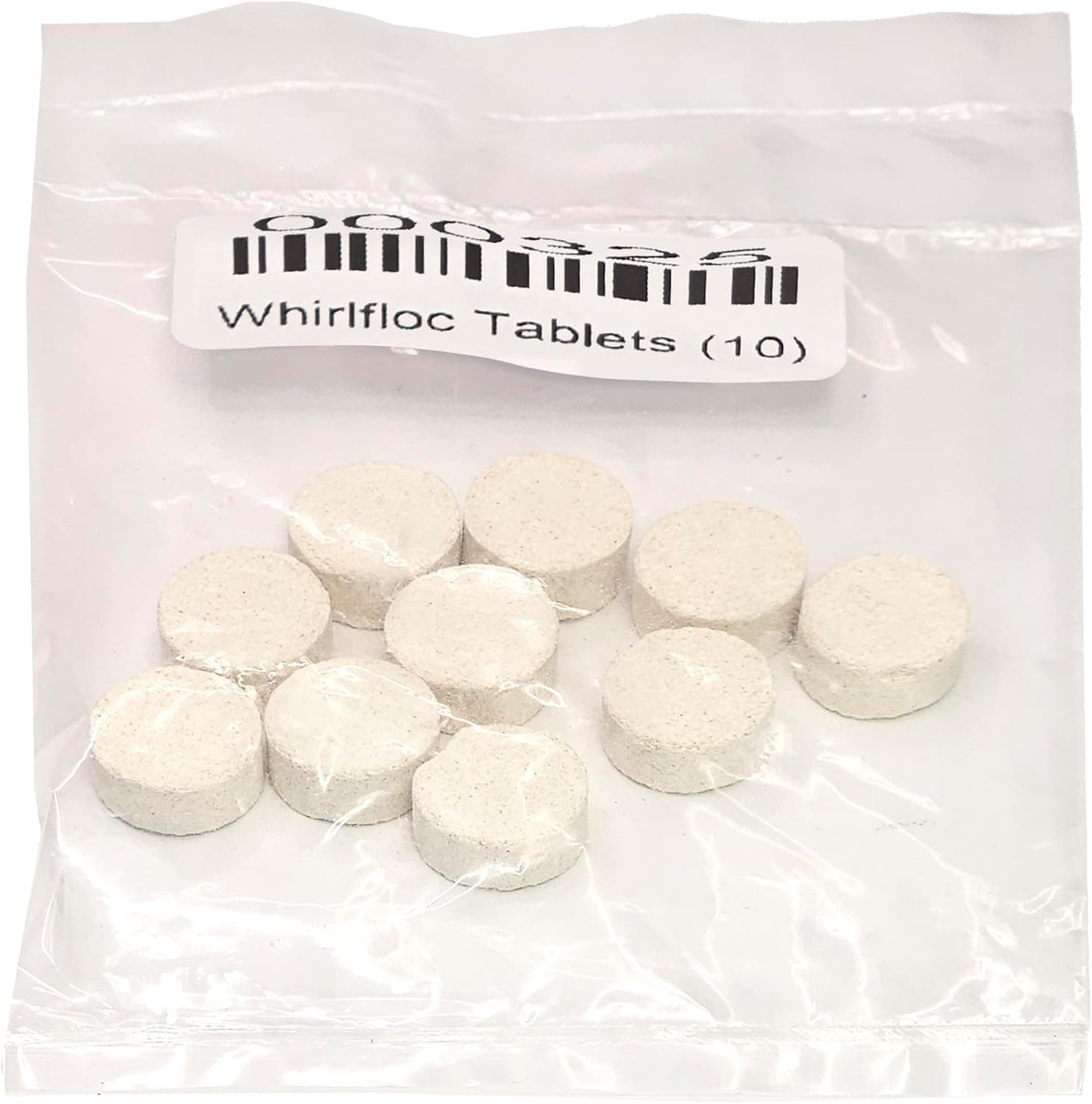
+ 10 count pack matches one tablet per batch for ten brew days
From our guide: Best Brewing Finings for Clearing Beer (2026)
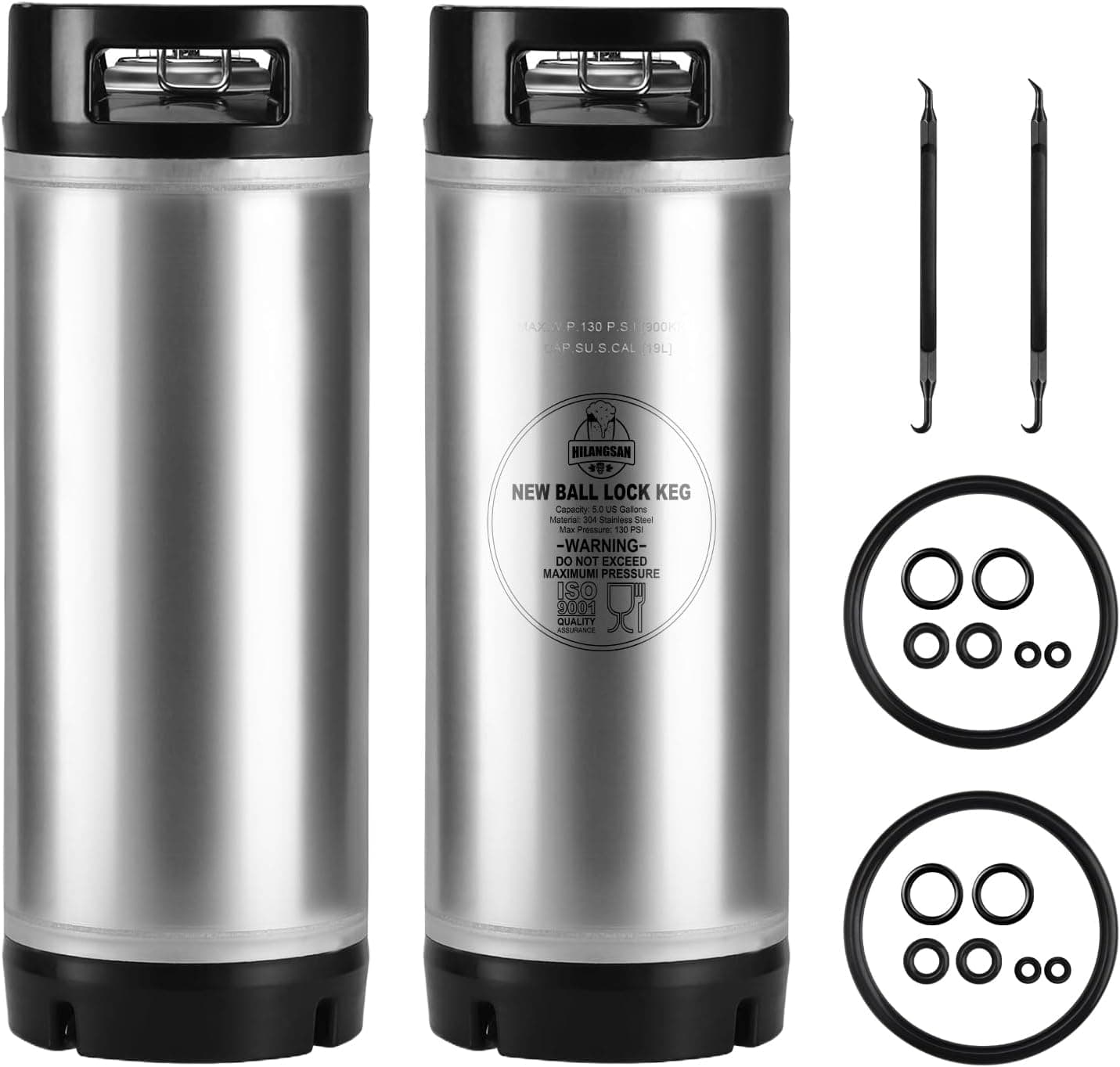
+ 2Pcs set lets you keep one keg serving while another conditions
From our guide: Best Cornelius Kegs for Homebrew (2026)
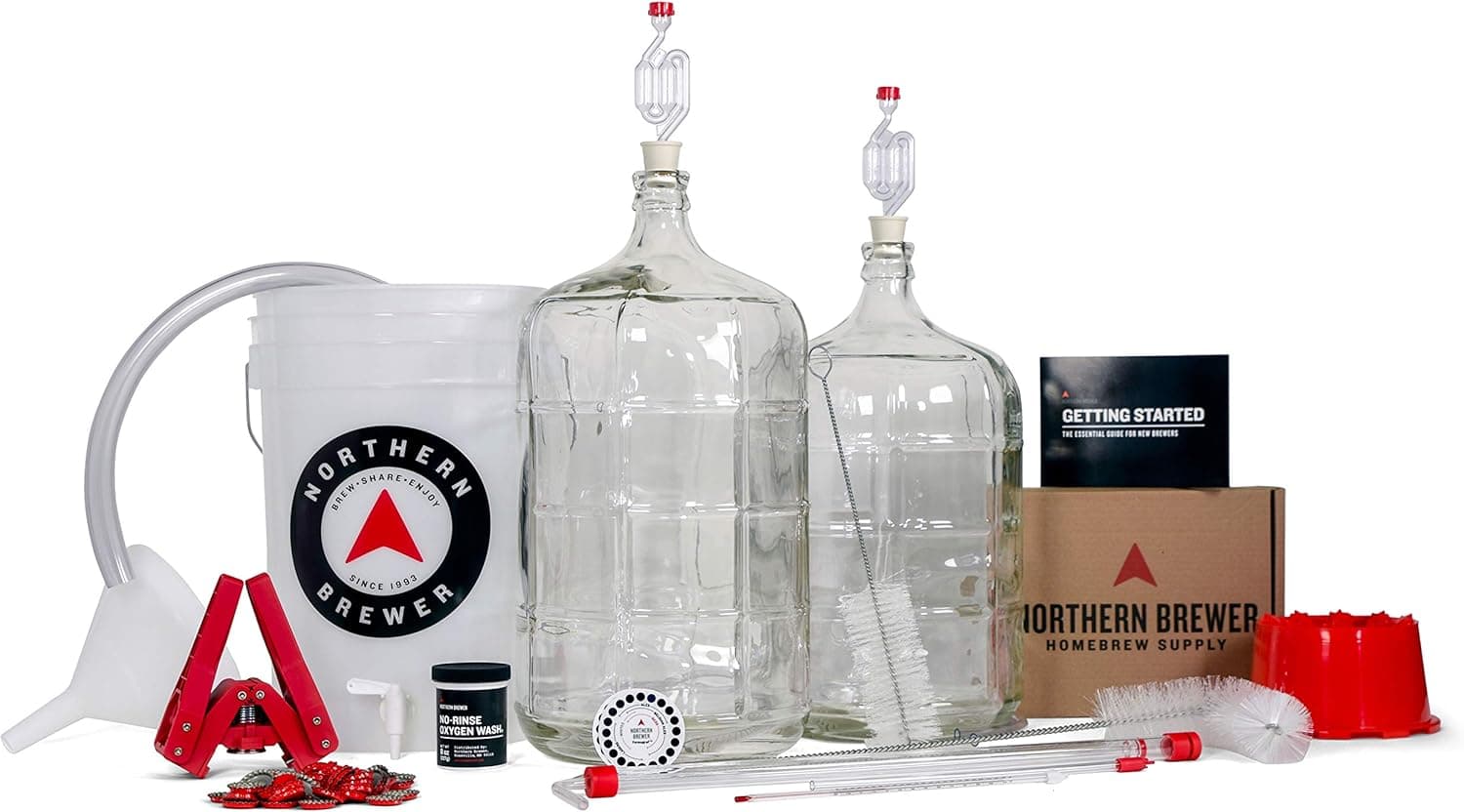
+ Deluxe tier adds extra gear over the basic set, so you outgrow it more slowly
From our guide: Best Homebrew Starter Kits for Beginners (2026)
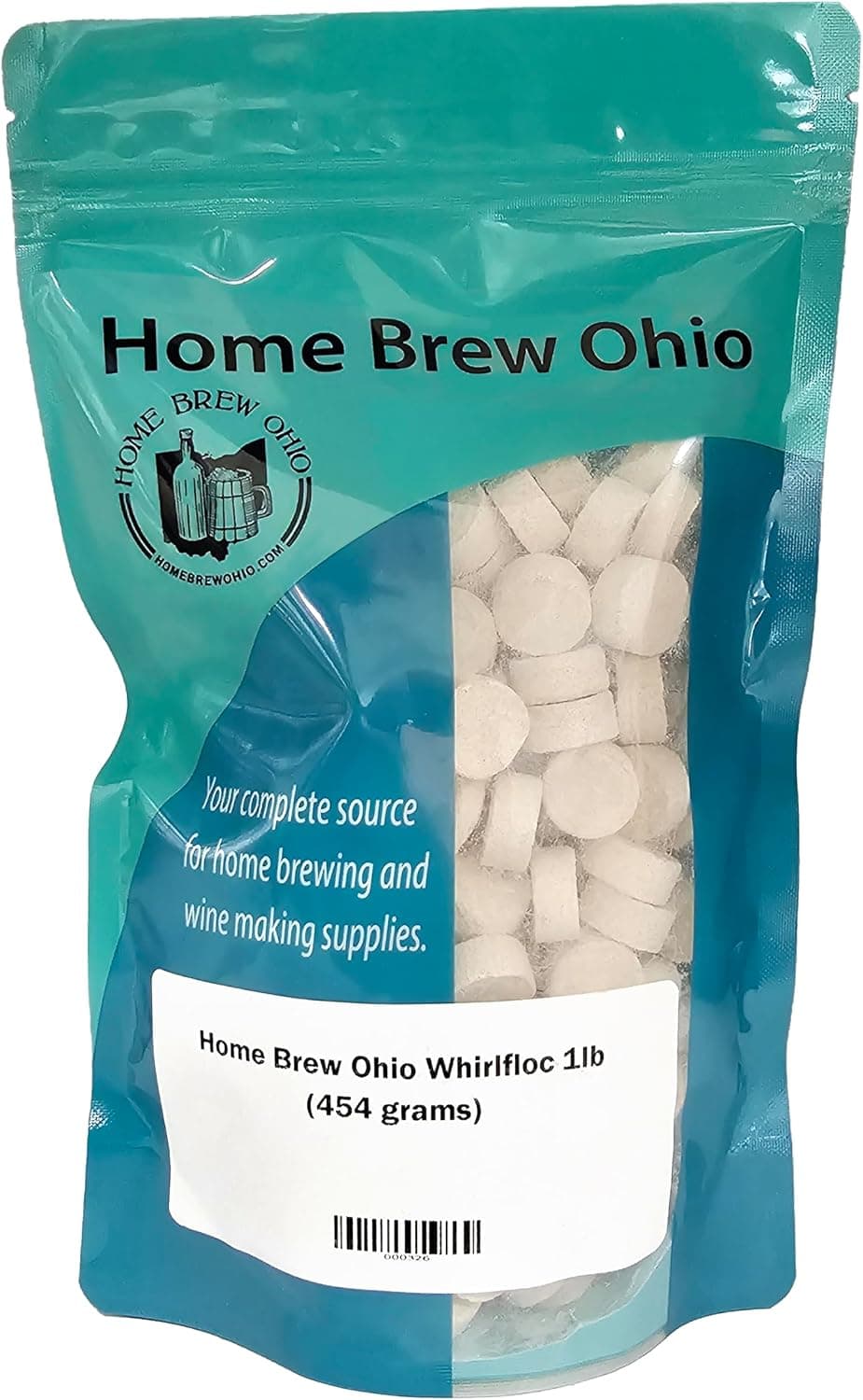
+ Whirlfloc tablets help proteins drop out at the end of the boil
From our guide: Best Brewing Finings for Clearing Beer (2026)
Popular right now
- How to Store Hops and Grain ProperlyArticle
- Best Brew in a Bag (BIAB) Bags for Homebrewing (2026)Buying guide
- Cleaning and Sanitizing KitCollection
- Fermentation Temperature ControlCollection
- First Extract Brew KitCollection
- Reading Original and Final Gravity to Calculate ABVArticle
Based on the last 28 days of search and visitor data.