Fermentation
Fermentation turns wort into beer, and temperature control makes the biggest difference to quality. Fermenters, airlocks and temperature controllers keep yeast happy.
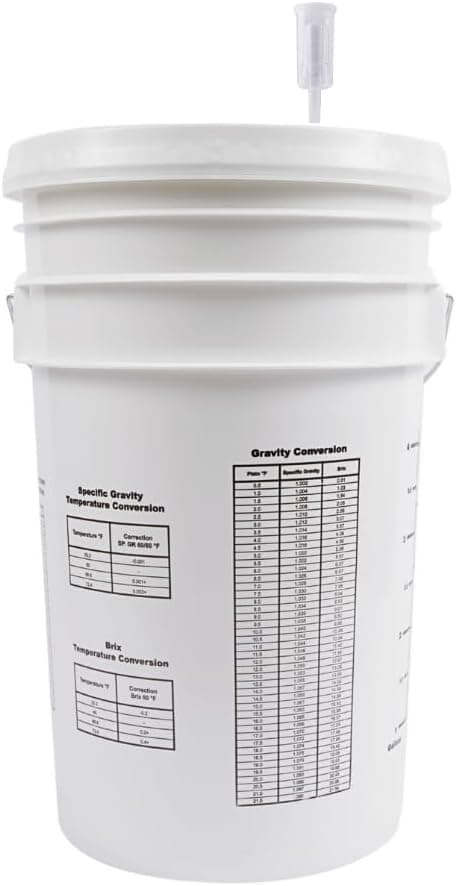
Best Fermentation Buckets for Homebrewing (2026)
Compare plastic fermentation buckets for brewing. Learn what to check on food-grade material, lids, and spigots so fermentation stays clean.
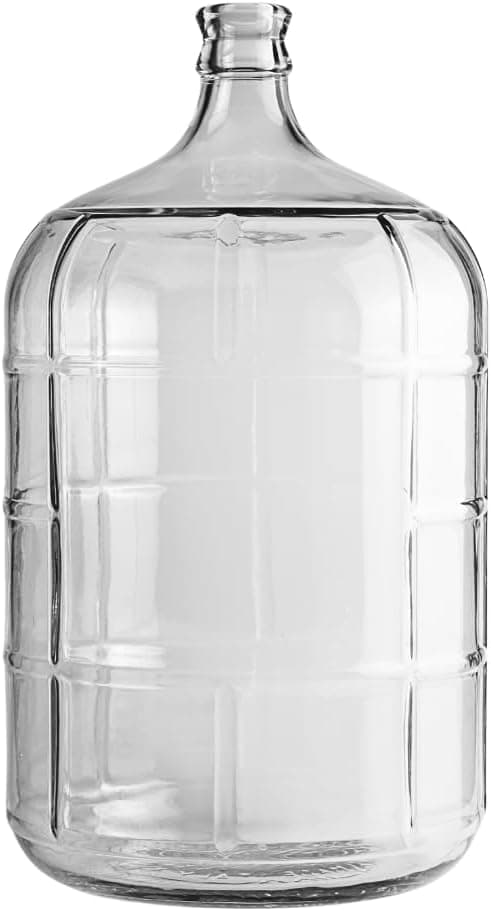
Best Glass Carboys for Homebrewing (2026)
Compare glass carboys for fermenting and aging beer. Learn what to check on size, neck, and handling so long conditioning stays safe.
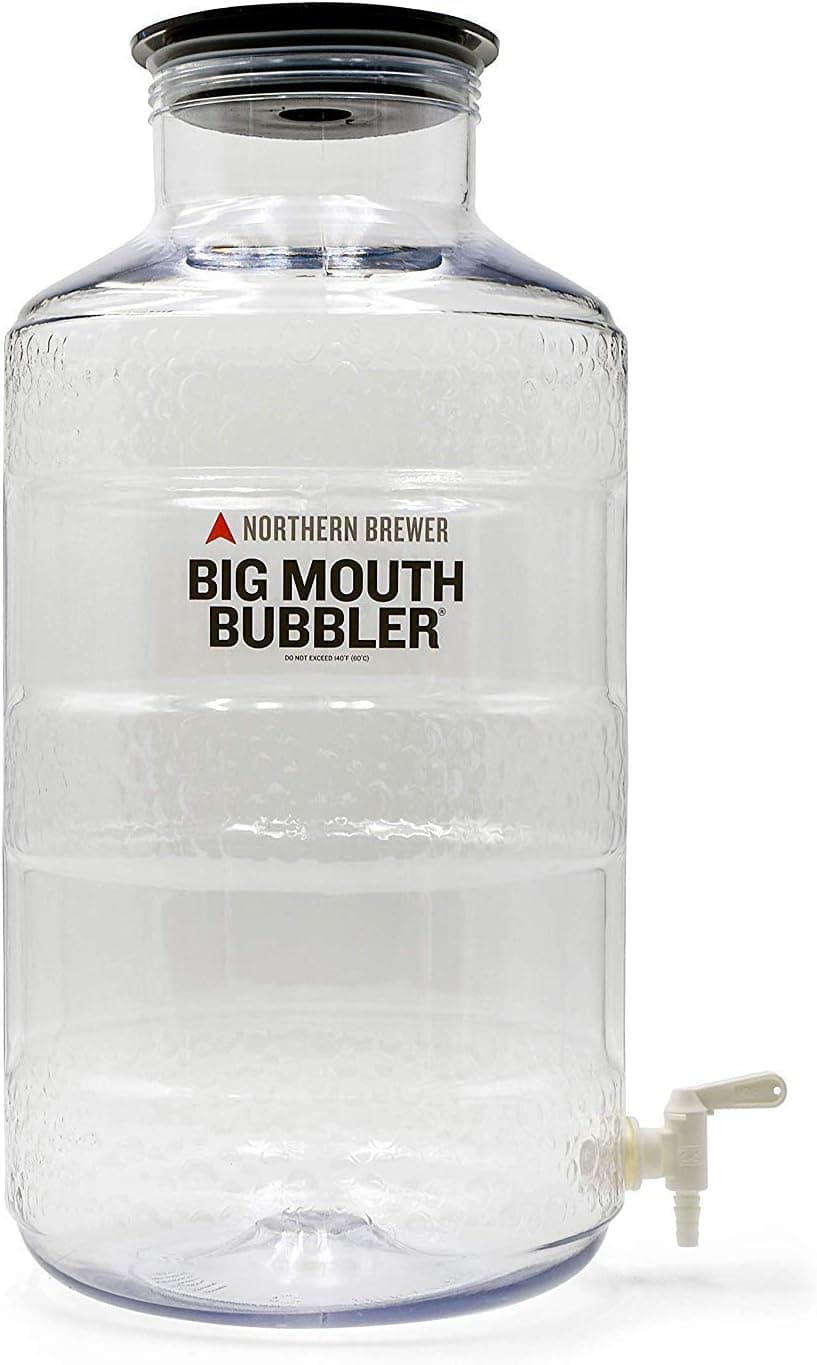
Best Plastic Carboys for Homebrewing (2026)
Compare plastic carboys for fermenting beer. Learn what to check on material, weight, and durability so transfers and storage stay easy.
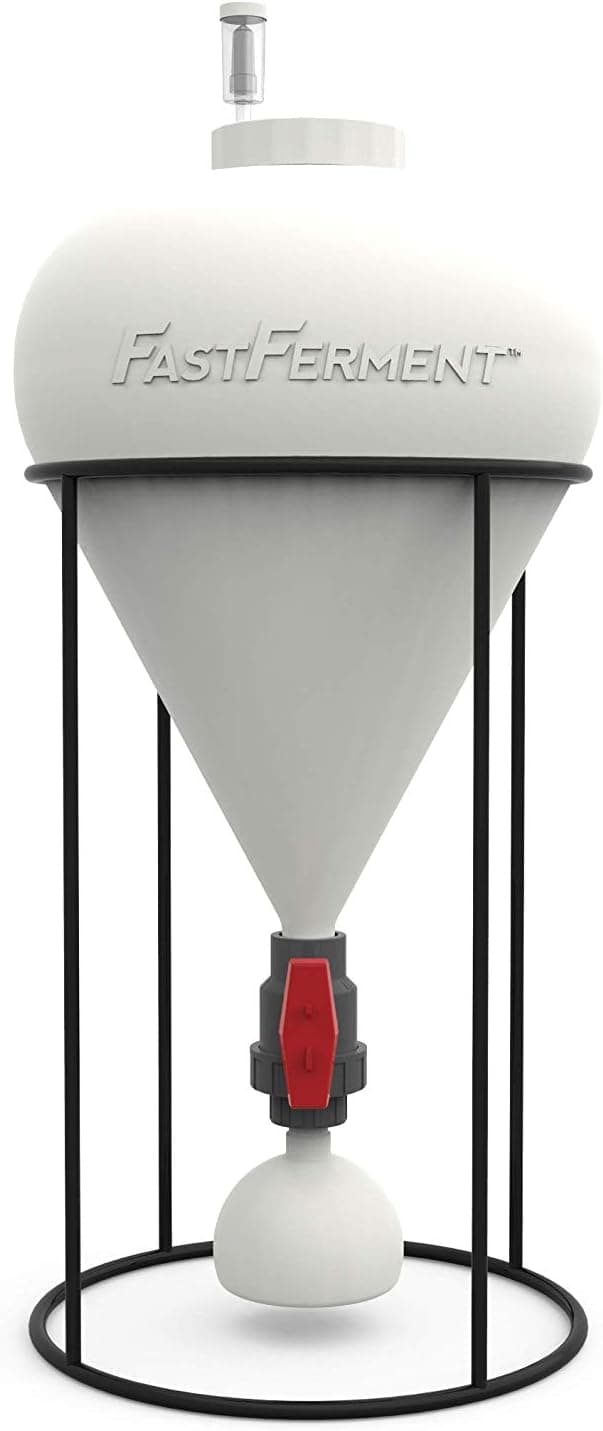
Best Conical Fermenters for Homebrewing (2026)
Compare conical fermenters for advanced brewing. Learn what to check on material, valves, and capacity so you dump yeast and transfer cleanly.
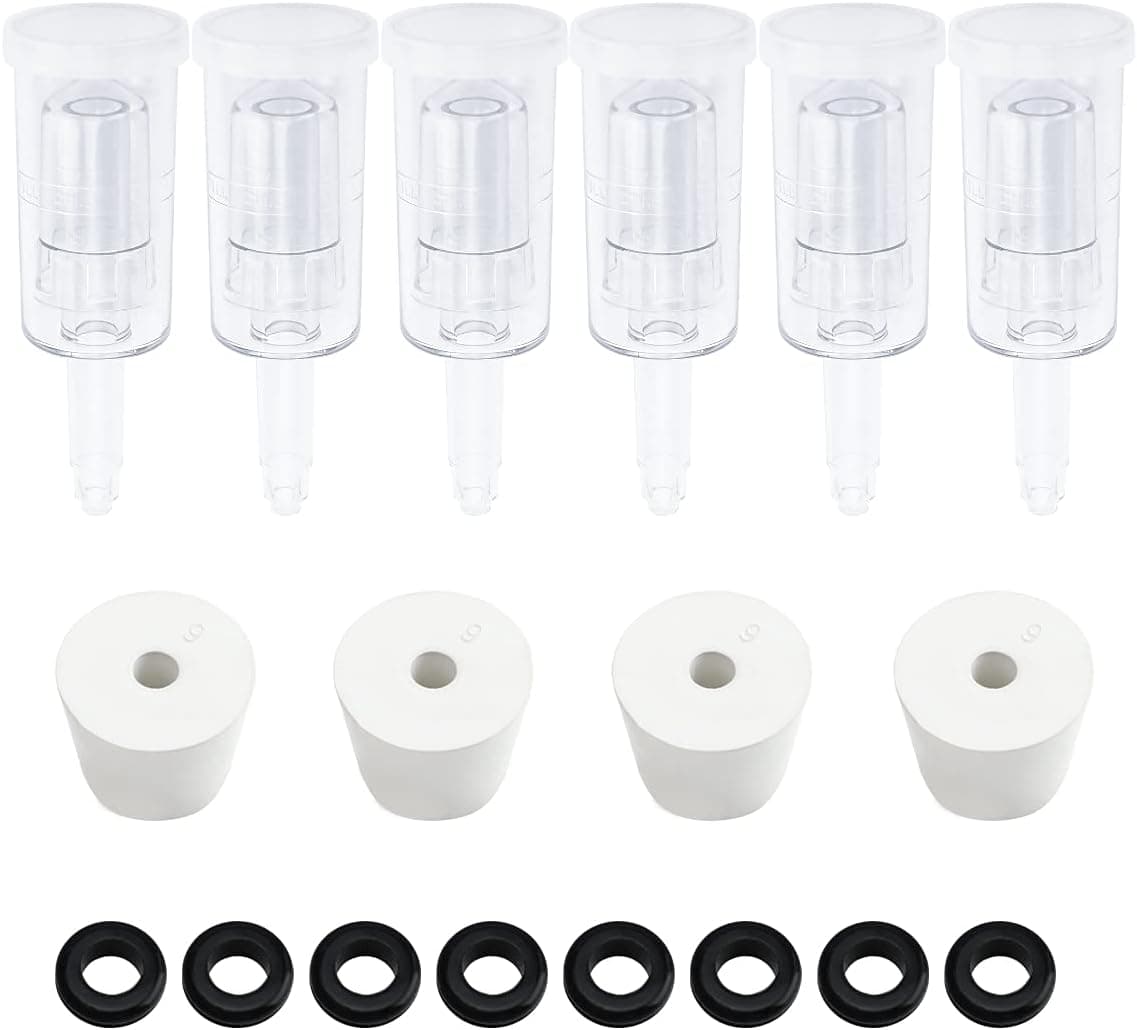
Best Airlocks for Homebrewing (2026)
Compare airlock types for fermentation. Learn what to check on style, fit, and cleaning so CO2 escapes while air and contaminants stay out.
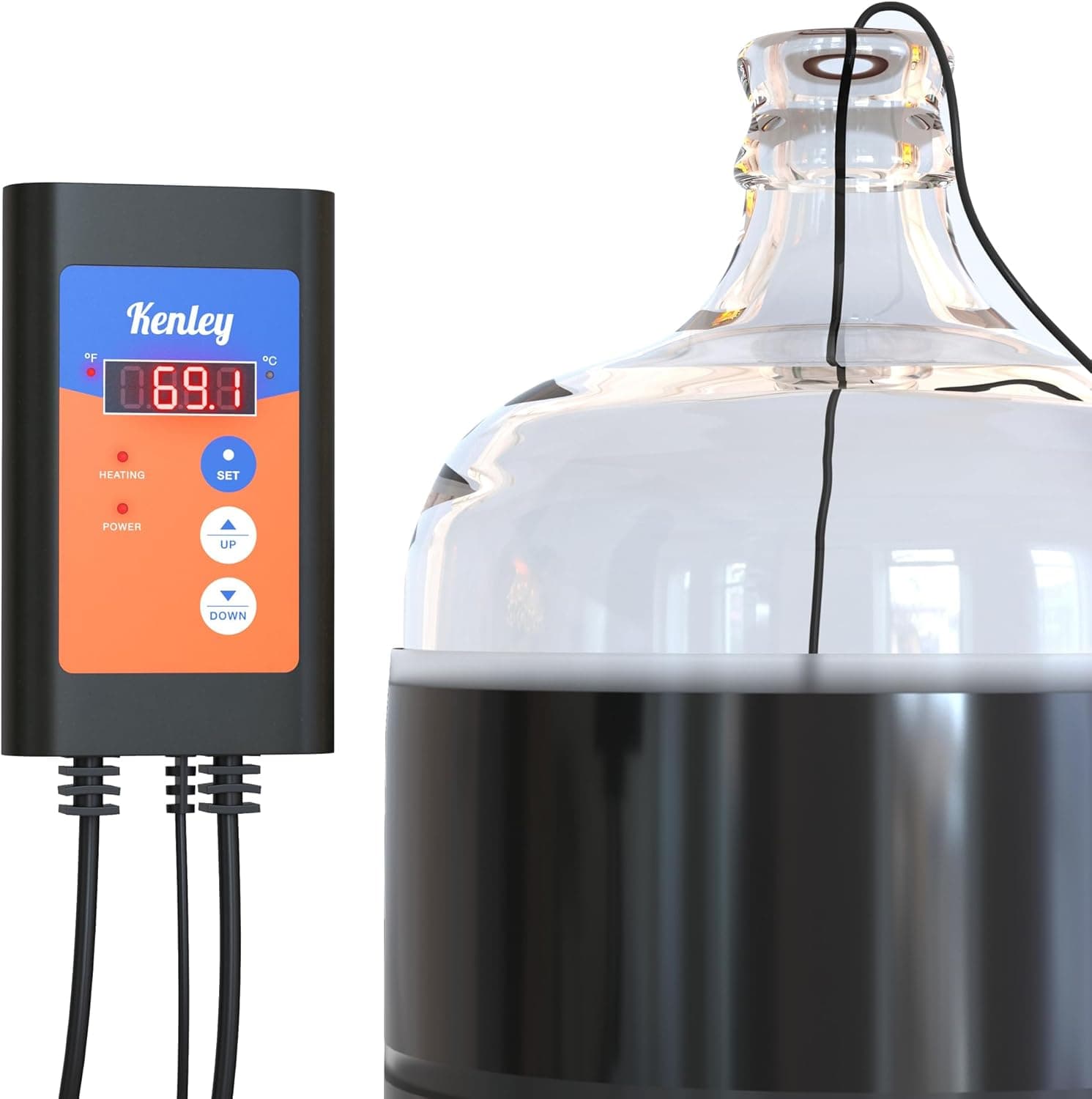
Best Fermenter Heaters for Homebrewing (2026)
Compare fermenter heating belts, pads, and wraps. Learn what to check on wattage, fit, and control so cold-room fermentation stays steady.
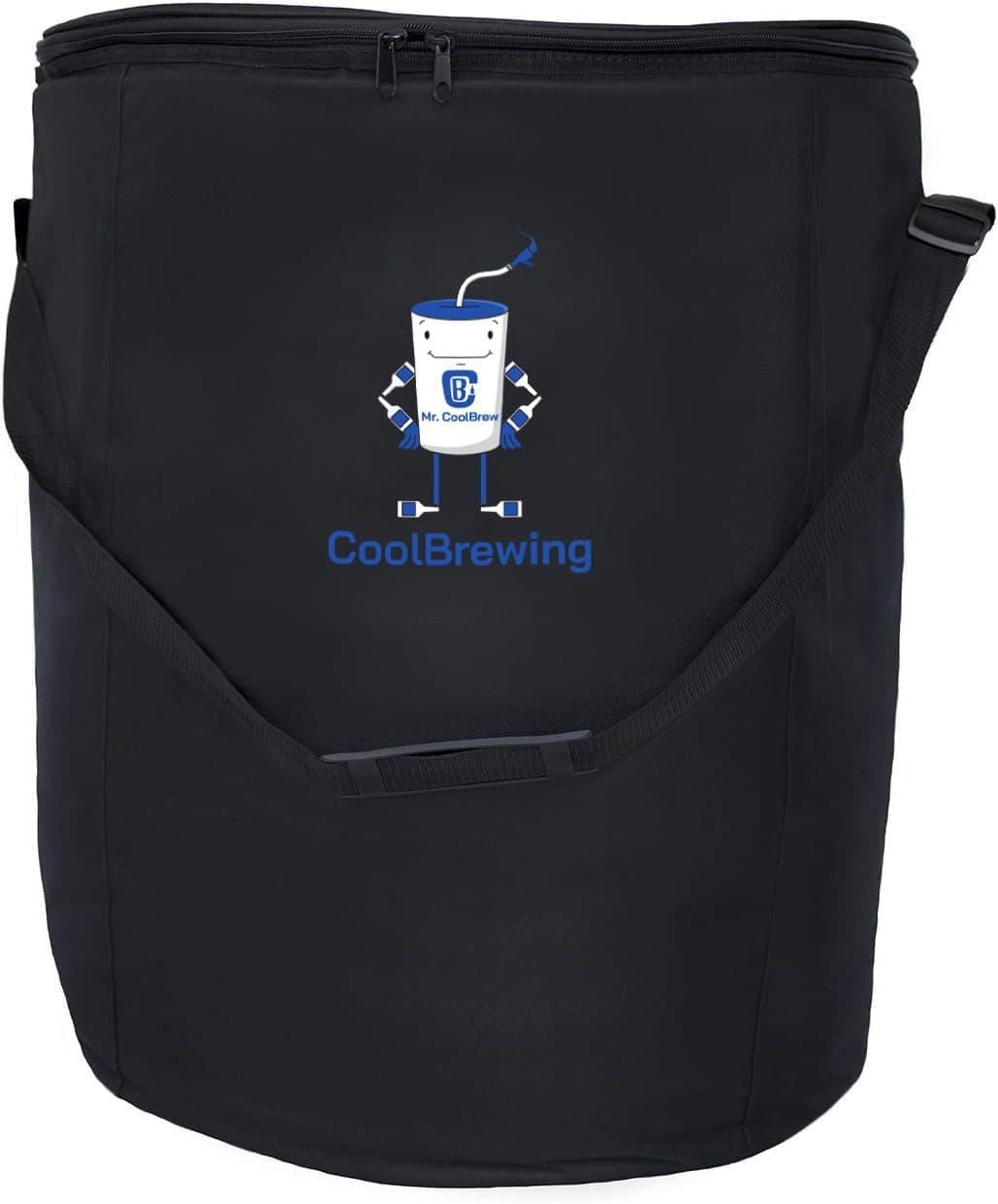
Best Fermentation Chambers for Homebrewing (2026)
Compare fermentation chambers and fridge conversions. Learn what to check on capacity, temperature control, and space for stable fermenting.
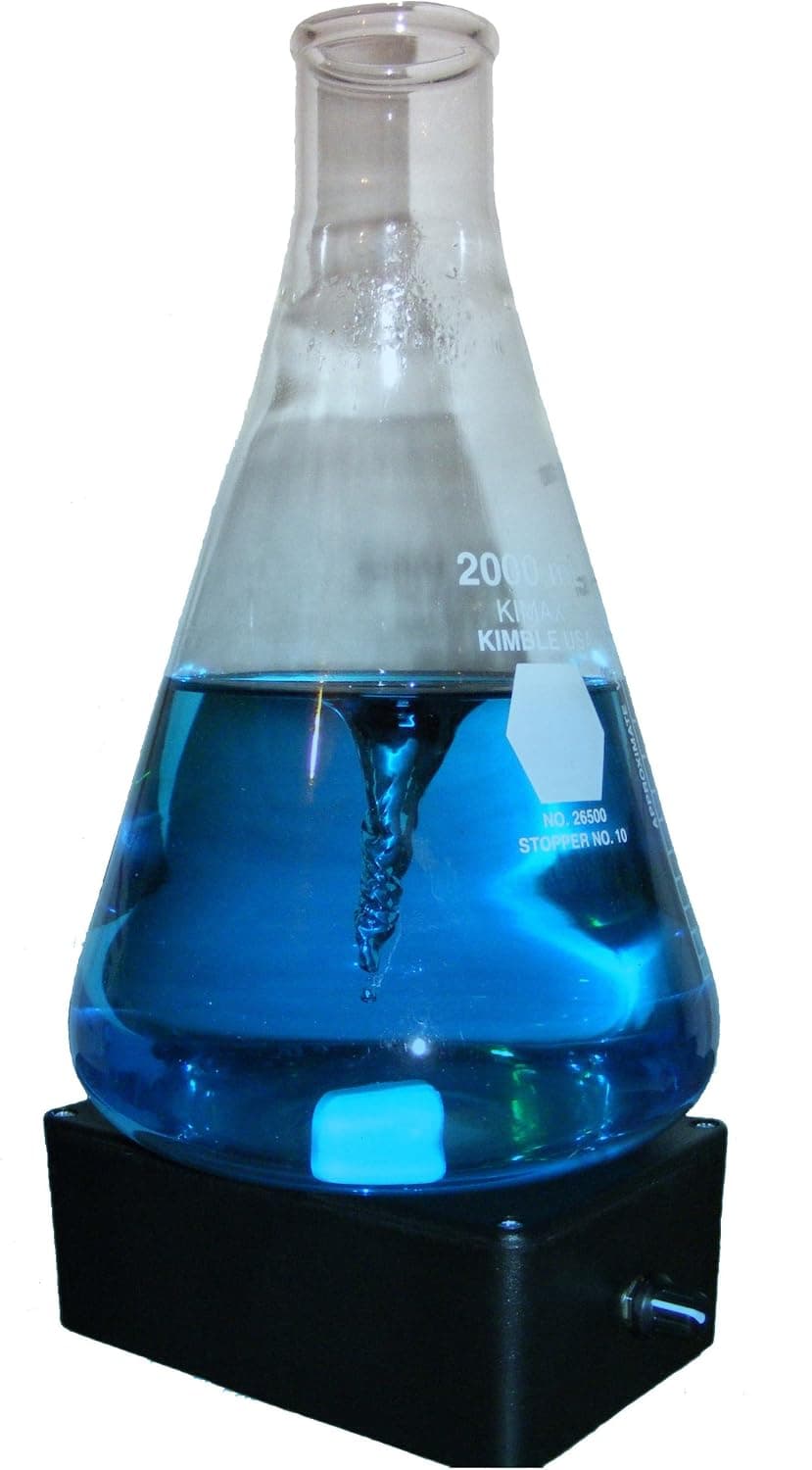
Best Stir Plates for Yeast Starters (2026)
Compare stir plates for making yeast starters. Learn what to check on speed, flask capacity, and stir bar so you grow healthy yeast.
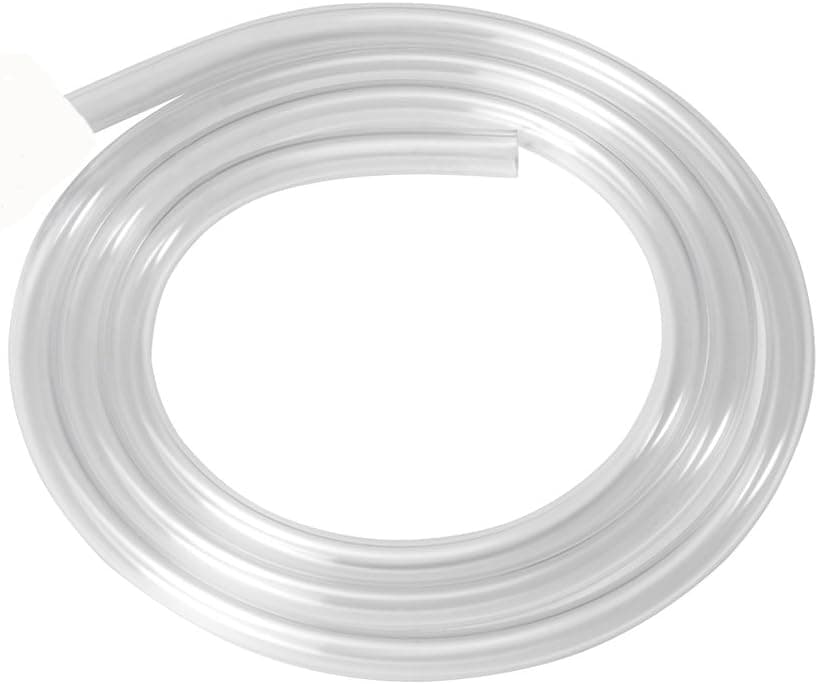
Best Blow-Off Tubes for Homebrewing (2026)
Compare blow-off tube setups for active fermentation. Learn what to check on diameter, fit, and material so vigorous krausen vents safely.
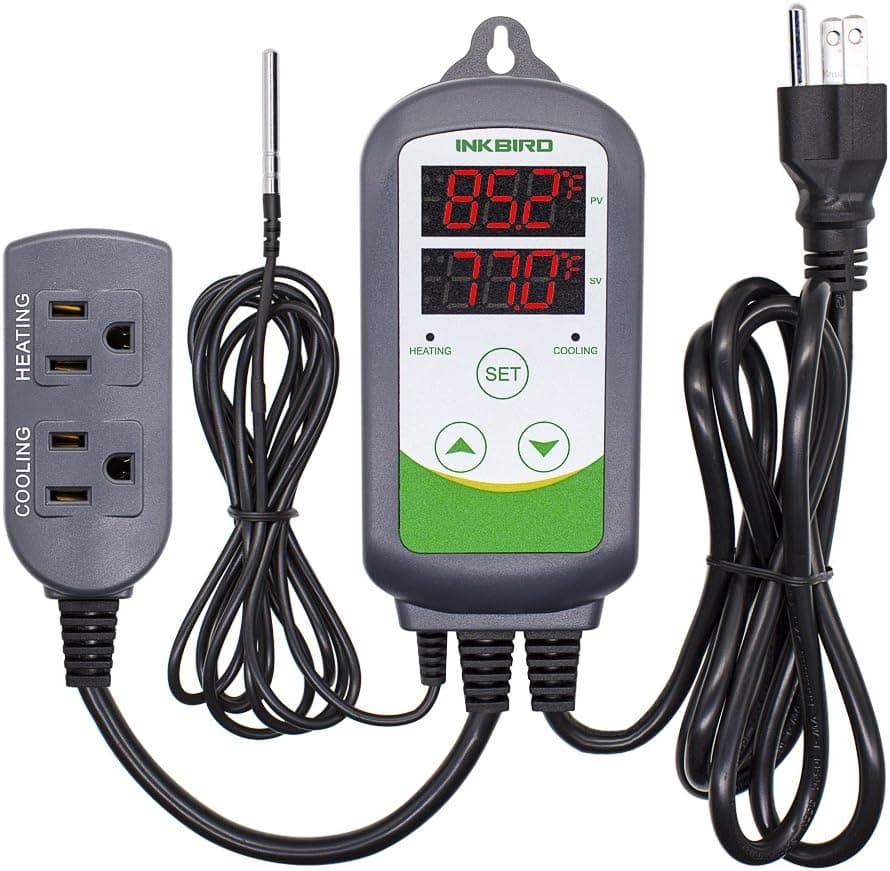
Best Fermentation Temperature Controllers for Homebrewing (2026)
Compare temperature controllers for fermentation chambers. Learn what to check on heating, cooling, and probes so fermentation holds steady.
How to choose
- Control fermentation temperature for your yeast strain.
- Use airlocks or blow-off tubes on every fermenter.
- Choose buckets for easy cleaning or carboys for visibility.
- Sanitize everything that touches cooled wort.
Common questions
What temperature should ale ferment at?
Many ales ferment best around 62-68°F. Warmer fermentation can create harsh flavours, so check your yeast's recommended range.
Bucket or glass carboy fermenter?
Buckets are light, cheap and easy to clean. Glass carboys resist scratches and let you watch fermentation but are heavy and fragile.