Dry Hopping for Bigger Hop Aroma
Published How we research
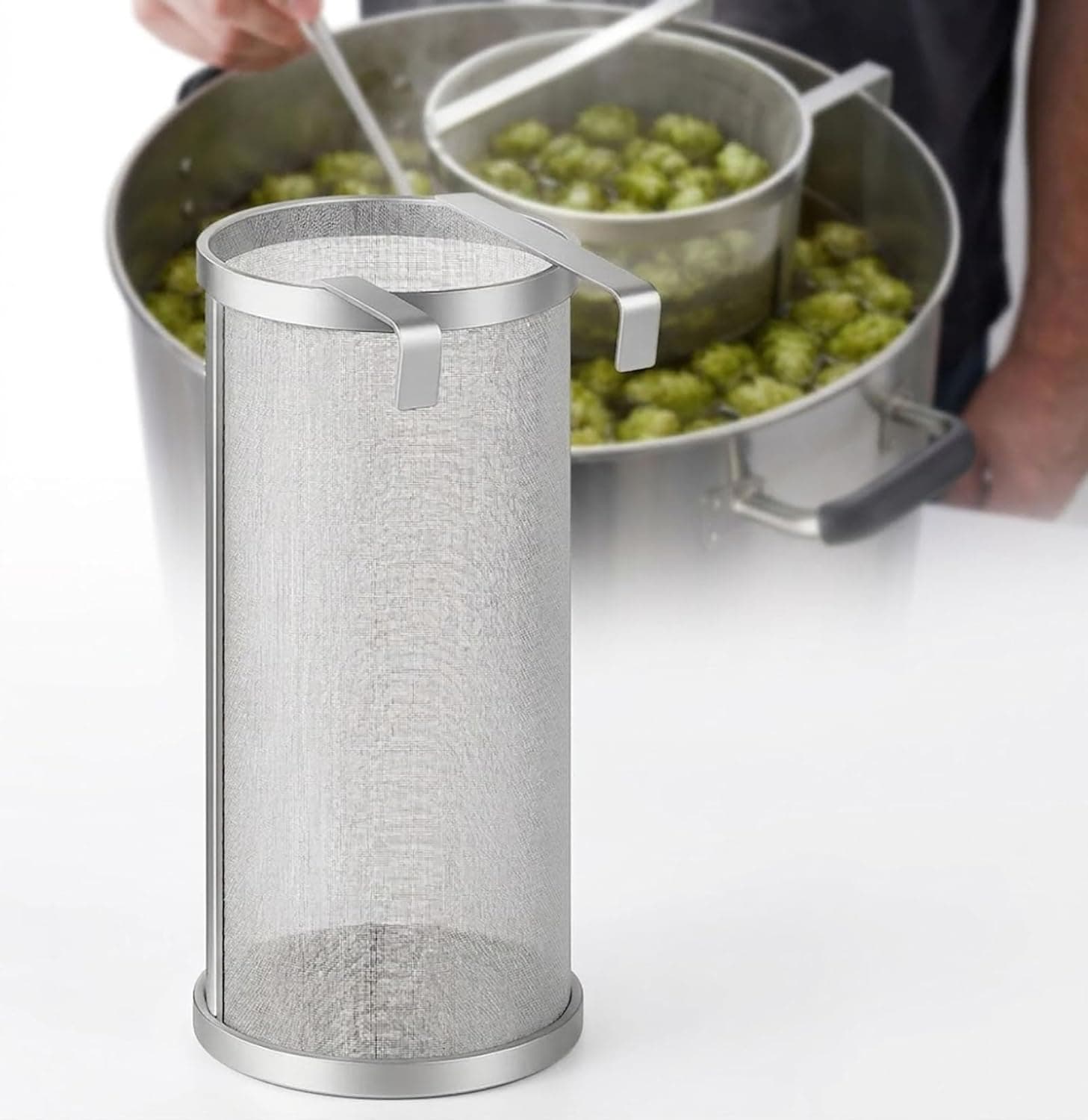
Dry hopping is the technique of adding hops to beer after the boil, usually during or after fermentation, to build powerful hop aroma and flavor without adding bitterness. Because these hops never touch boiling wort, their delicate aromatic oils are preserved rather than driven off by heat. Dry hopping is the secret behind the intense citrus, tropical, and floral aromas of modern pale ales and IPAs.
The reason it works comes down to hop chemistry. The compounds responsible for hop aroma are volatile oils that evaporate quickly when boiled. Hops added early in the boil contribute bitterness but lose most of their aroma. By introducing hops cold, after the vigorous heat is gone, you extract and retain those aromatic oils directly into the finished beer, producing a fragrance that boil additions simply cannot match.
Timing is a matter of style and preference. Many brewers dry hop toward the end of fermentation or shortly after it finishes, when the yeast activity is winding down. Some add hops during active fermentation, a practice thought to interact with the yeast and transform certain aromas. Others wait until fermentation is complete. Each approach gives a slightly different character, and experimenting will help you find what you like.
Contact time matters too, but more is not always better. A common window is a few days, often around three to five, which is usually enough to extract plenty of aroma. Leaving hops in contact for too long, especially at warmer temperatures, can pull grassy, vegetal flavors from the plant material and, in some cases, cause a harsh astringency. Tasting and settling on a routine that fits your setup is worthwhile.
There are a couple of practical hazards to manage. Adding hops introduces oxygen if you are not careful, so add them gently and avoid splashing, particularly after fermentation has finished and the protective blanket of carbon dioxide is gone. Loose hops can also clog transfers, so many brewers use a mesh bag, a hop filter, or simply cold crash afterward to let the hop material settle before packaging.
Dry hopping can also cause a phenomenon called hop creep, where enzymes from the hops make additional sugars fermentable and restart a small fermentation. This can raise carbonation unexpectedly in bottled beer, so give dry-hopped beers extra time to stabilize before packaging. Managed well, dry hopping is one of the most rewarding techniques in brewing, transforming a good beer into an aromatic showcase of your favorite hops.
Products from this article
The highest-scoring picks from the buying guides mentioned above. Scores are our editorial assessment, not customer ratings.
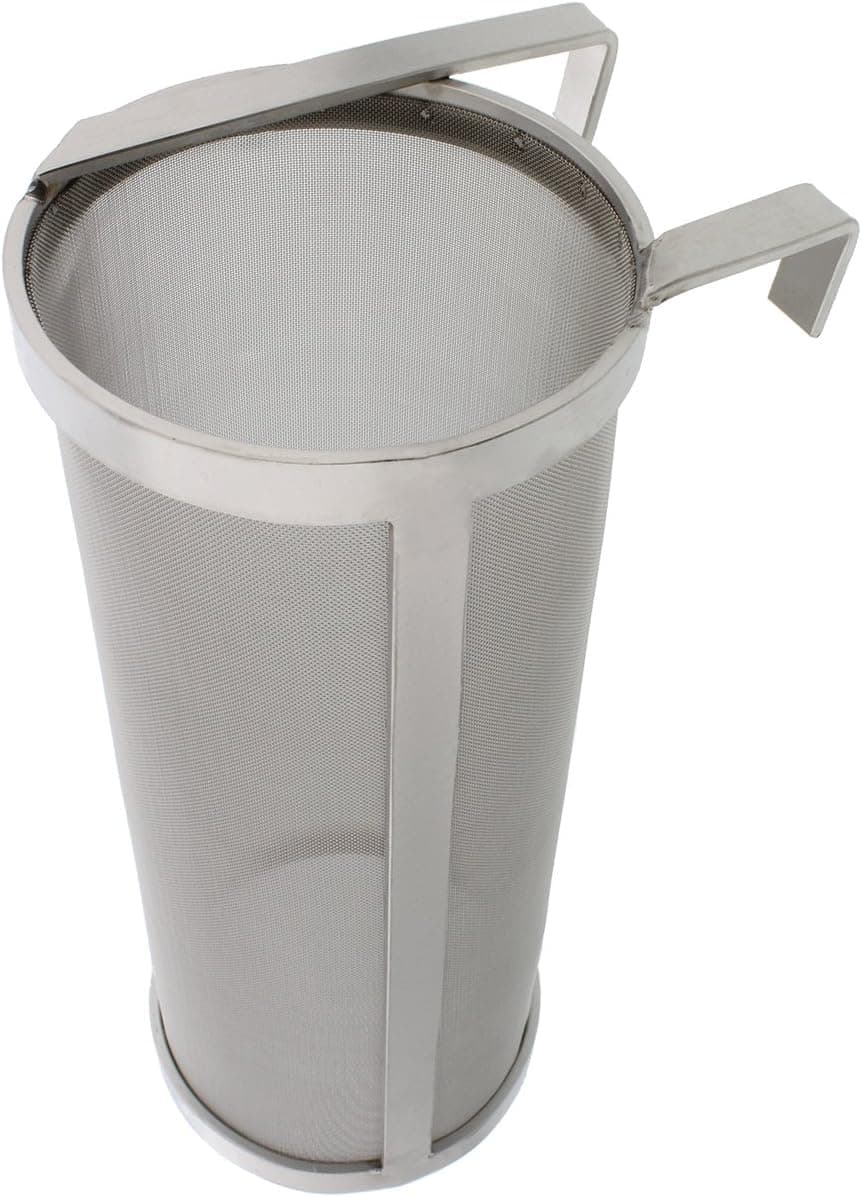
+ 6.1 x 13.98 Inch basket holds larger hop charges for IPAs
From our guide: Best Hop Spiders for Homebrewing (2026)
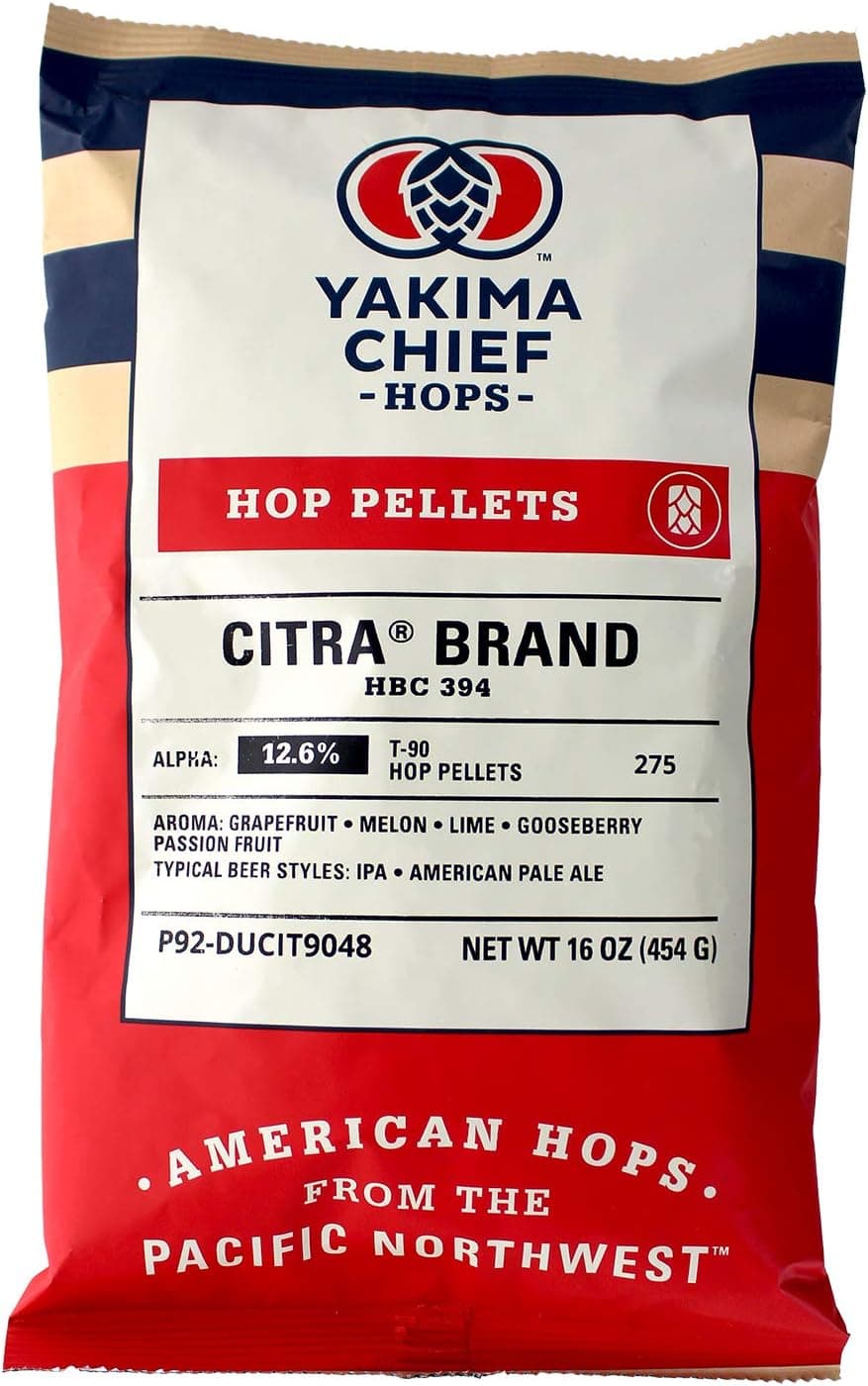
+ YCH Hops is a major grower, so quality and labeling are trustworthy
From our guide: Best Hops for Homebrewing (2026)
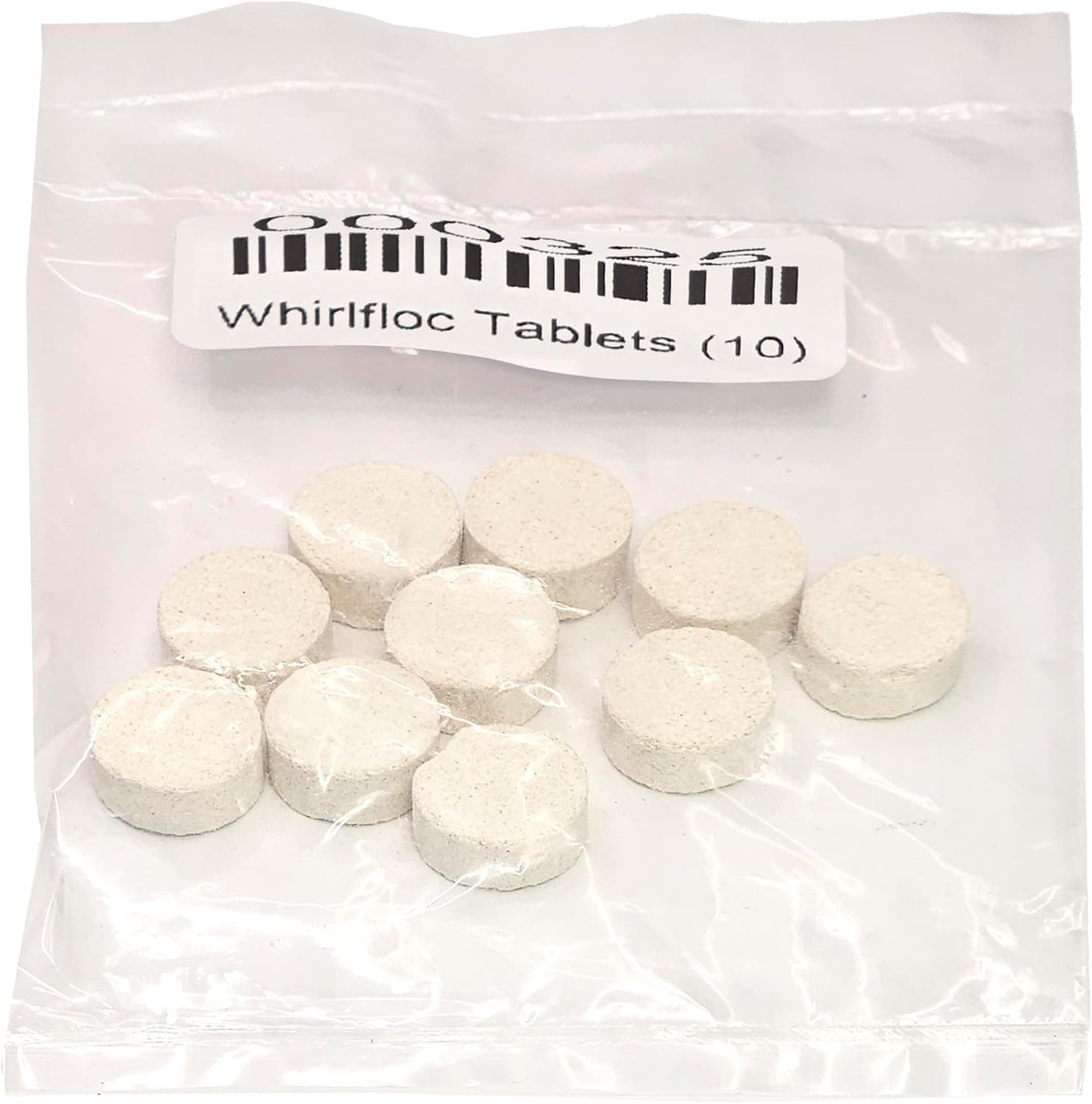
+ 10 count pack matches one tablet per batch for ten brew days
From our guide: Best Brewing Finings for Clearing Beer (2026)
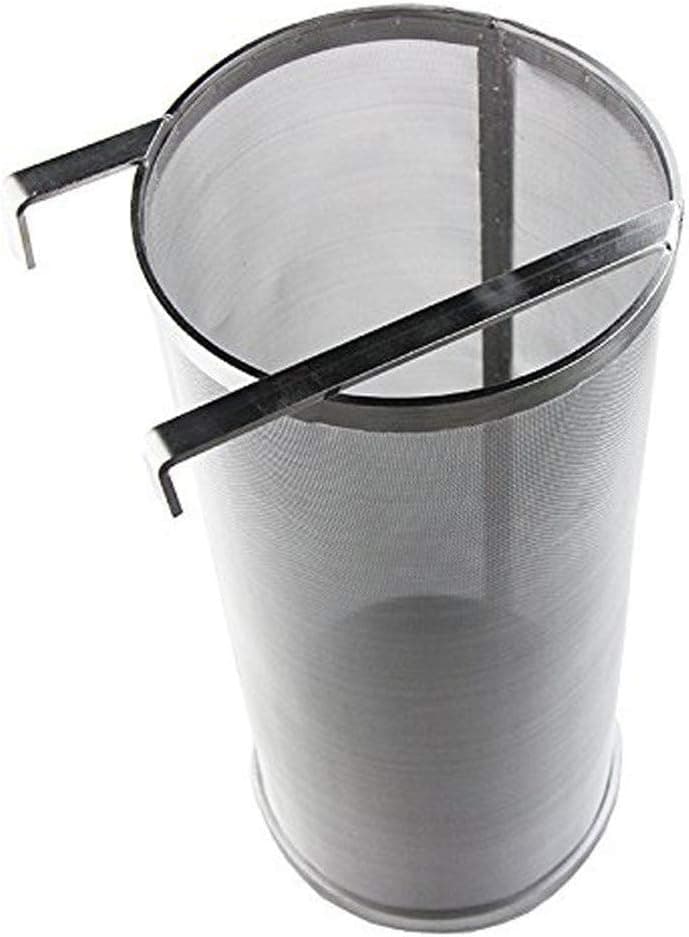
+ 6x14in basket leaves hops room to circulate in the boil
From our guide: Best Hop Spiders for Homebrewing (2026)
Popular right now
- How to Store Hops and Grain ProperlyArticle
- Best Brew in a Bag (BIAB) Bags for Homebrewing (2026)Buying guide
- Cleaning and Sanitizing KitCollection
- Fermentation Temperature ControlCollection
- First Extract Brew KitCollection
- Reading Original and Final Gravity to Calculate ABVArticle
Based on the last 28 days of search and visitor data.