Why Your Homebrew Airlock Is Not Bubbling
Published How we research
A still airlock a day after brewing is one of the most common worries for new homebrewers. Often fermentation is actually happening, but carbon dioxide is escaping through a loose lid or grommet instead of the airlock. Other times the yeast is slow because of temperature, yeast health or low oxygen. A hydrometer reading tells you what is really happening.
Airlocks are not reliable indicators
Bucket lids often do not seal perfectly, so CO2 leaks around the rim and the airlock stays still. A leak does not usually harm the beer during active fermentation because CO2 pushes outward.
Check for other signs of fermentation such as foam or krausen on top of the beer, sediment forming at the bottom, or a sweet wort smell changing to a yeasty aroma.
Take a gravity reading
Sanitise a wine thief or baster and take a small sample for a hydrometer or refractometer reading. If the gravity has dropped from your original gravity, fermentation is underway.
If gravity has not changed after 48-72 hours, the yeast may not have started. Record readings so you can track progress over the next few days.
Check temperature
Yeast that is pitched into wort that is too cold may take a long time to start. Ale yeasts typically prefer around 64-72°F (18-22°C), while lager yeasts ferment cooler, but check the yeast manufacturer's range.
Wort that is too hot when pitching can stress or kill yeast. Move the fermenter to a warmer or cooler place as needed, or use a fermenter heater or temperature controller.
Look at yeast and oxygen
Old, poorly stored or underpitched yeast can struggle to start, especially in high-gravity beers. Check the yeast package date and consider a yeast starter for liquid yeast or rehydrating dry yeast as instructed.
Yeast needs oxygen at the start of fermentation to reproduce. Shaking or splashing cooled wort before pitching, or using an aeration stone, helps healthy fermentation begin.
When to repitch
If there is no gravity change after about three days despite correct temperature, pitch fresh, healthy yeast. Sanitise everything carefully while opening the fermenter.
Avoid opening the fermenter repeatedly to check. Each opening increases the risk of contamination, and most fermentations begin within 12-72 hours if conditions are right.
Fix leaks so you can see activity next time
If the gravity is dropping but the airlock stays still, the fermenter is leaking gas somewhere. Check that the bucket lid is pressed down evenly all the way around, that the rubber grommet fits snugly around the airlock stem and that the airlock itself is filled to the marked line with sanitiser or boiled water.
Replacing a worn lid gasket or grommet usually restores visible bubbling. Many brewers eventually move to fermenters with screw-on lids or wide-mouth designs with solid seals, which makes it easier to watch fermentation and reduces the temptation to open the lid and check.
Products from this article
The highest-scoring picks from the buying guides mentioned above. Scores are our editorial assessment, not customer ratings.
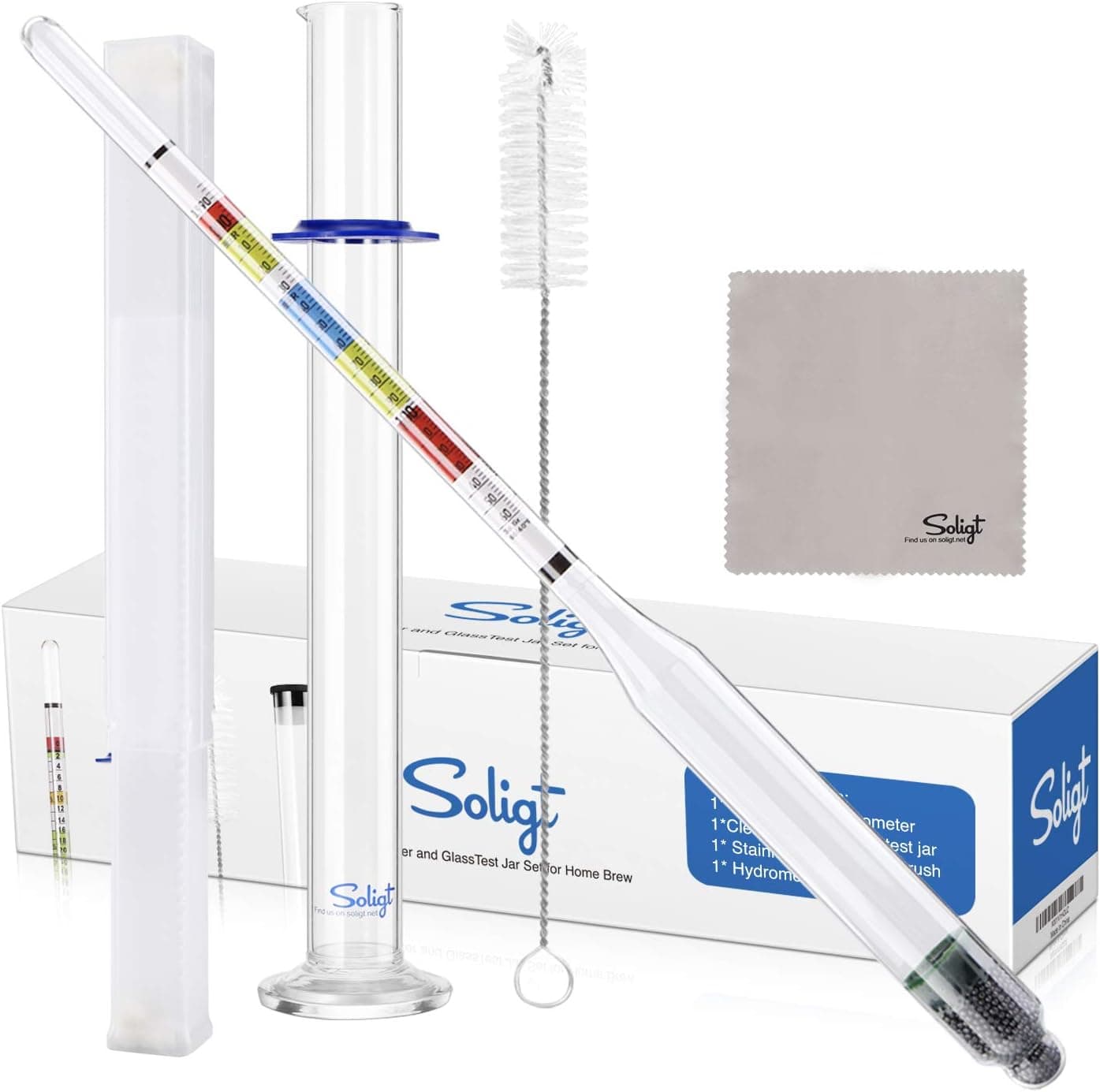
+ Hardcase protects the hydrometer between brew days
From our guide: Best Hydrometers for Homebrew (2026)
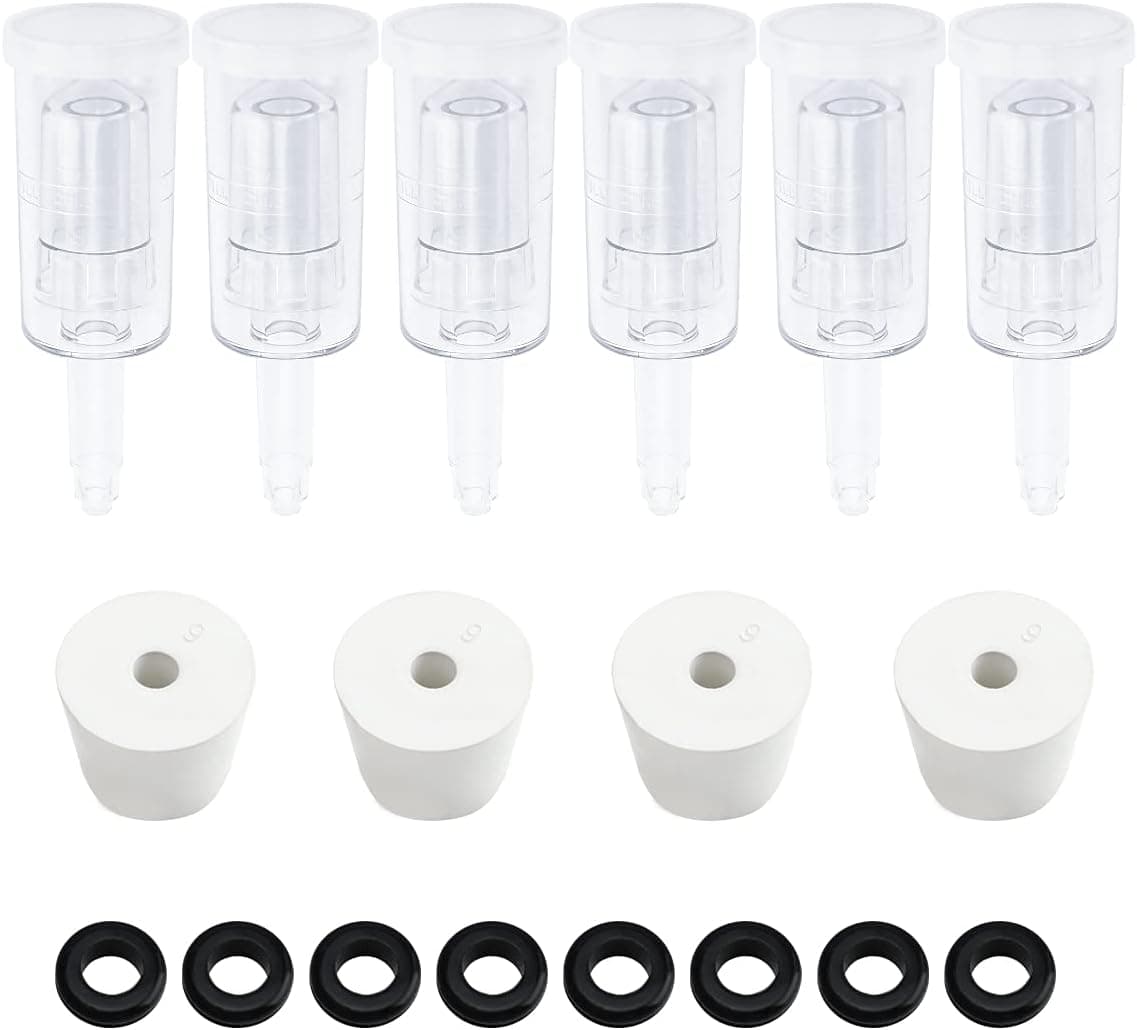
+ 6 Packs gives airlocks for multiple fermenters plus spares
From our guide: Best Airlocks for Homebrewing (2026)
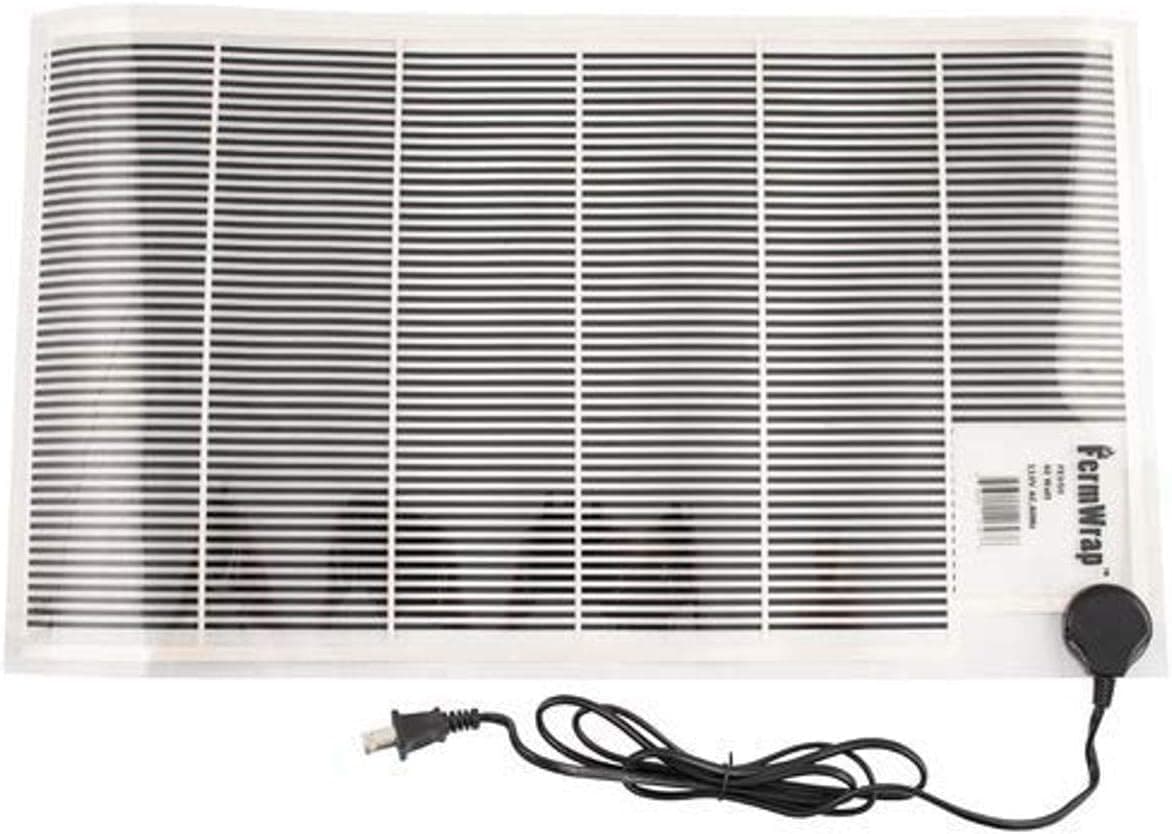
+ 40 Watt output gives gentle warmth that will not scorch yeast
From our guide: Best Fermenter Heaters for Homebrewing (2026)
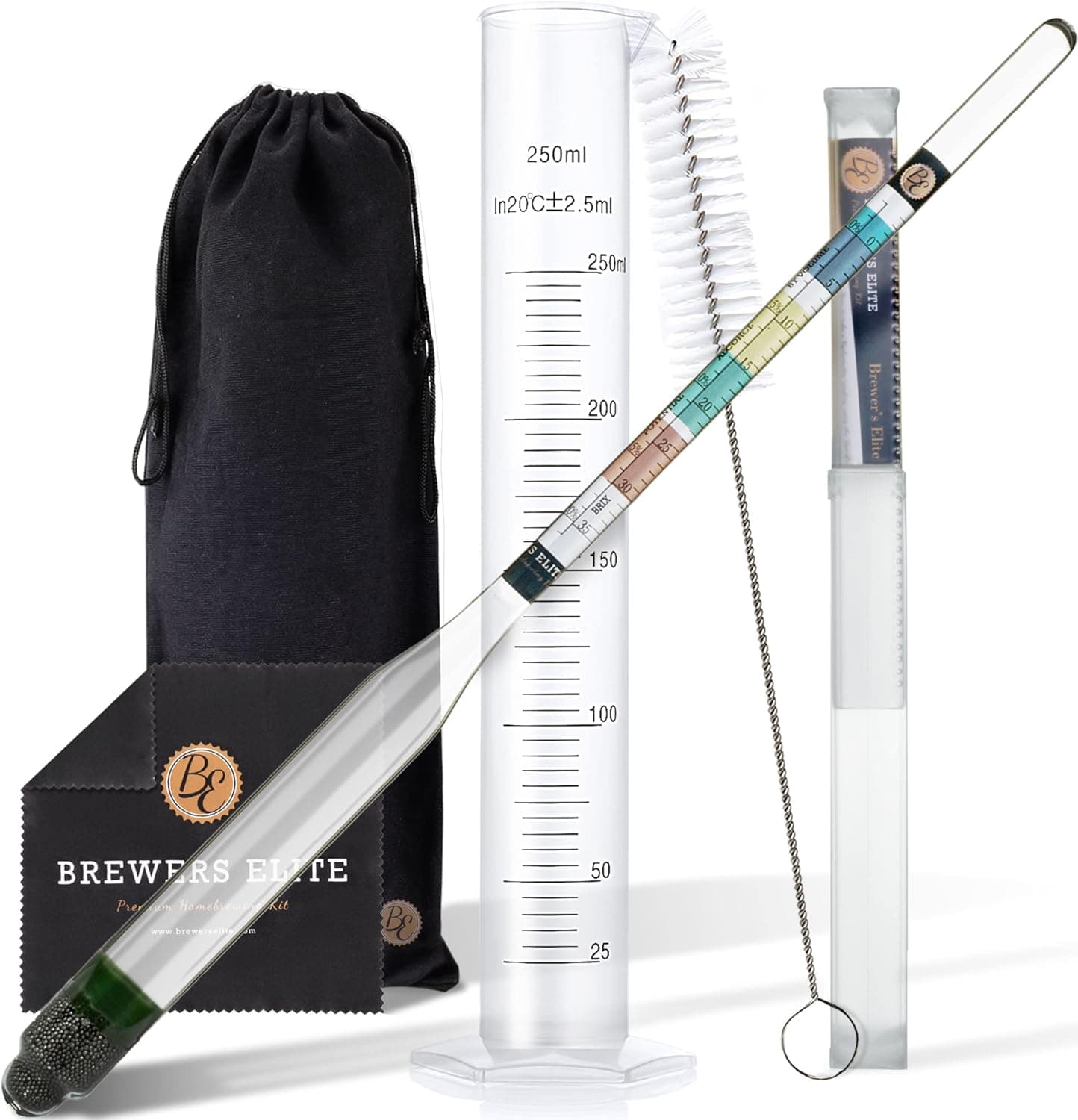
+ Triple scale reads specific gravity, Brix and potential alcohol
From our guide: Best Hydrometers for Homebrew (2026)
Popular right now
- How to Store Hops and Grain ProperlyArticle
- Best Brew in a Bag (BIAB) Bags for Homebrewing (2026)Buying guide
- Cleaning and Sanitizing KitCollection
- Fermentation Temperature ControlCollection
- First Extract Brew KitCollection
- Reading Original and Final Gravity to Calculate ABVArticle
Based on the last 28 days of search and visitor data.