Controlling Fermentation Temperature for Cleaner Beer
Published How we research
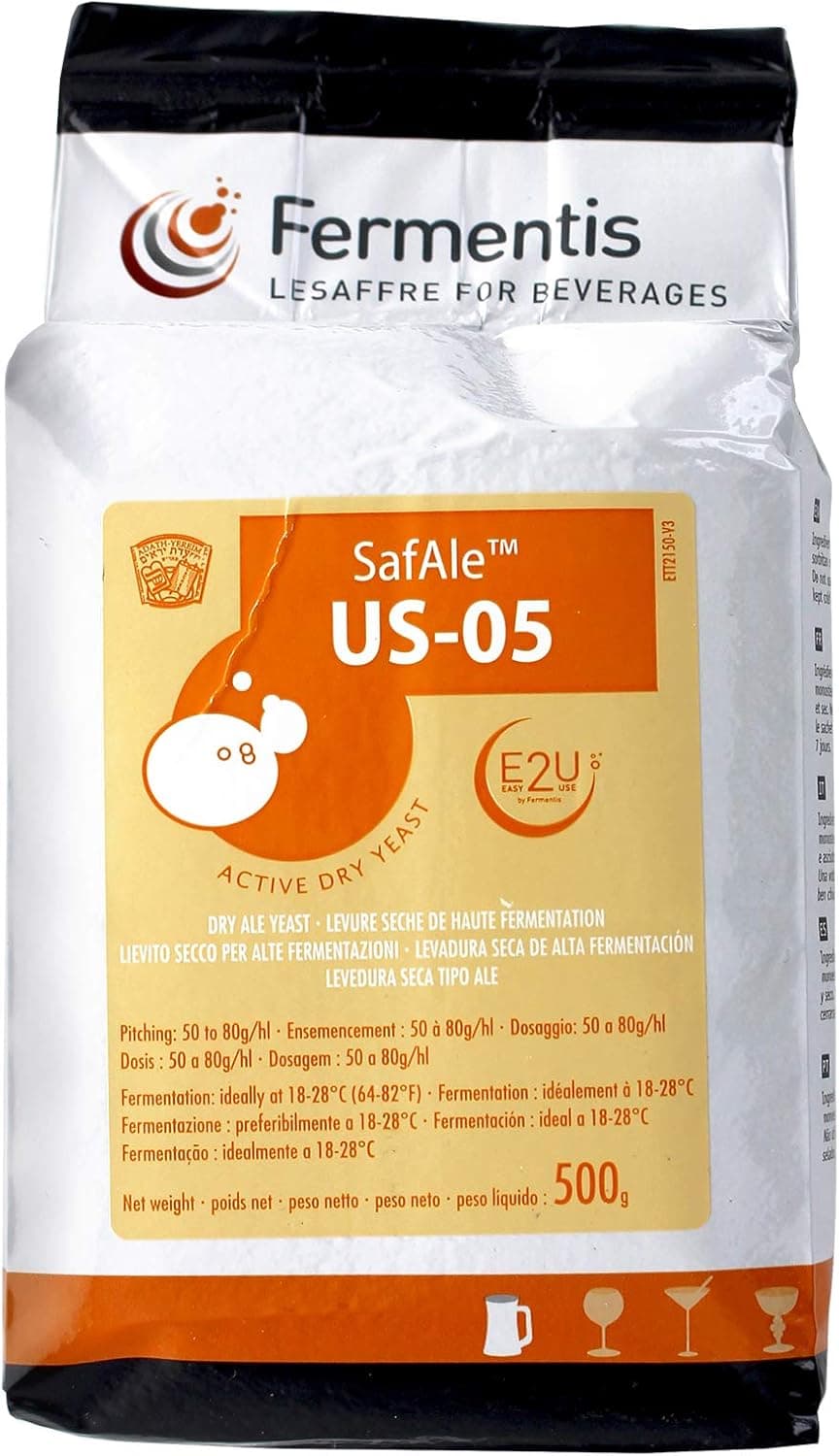
Fermentation temperature has a bigger impact on flavor than most new brewers realize. Yeast is a living organism, and the temperature it works at determines which flavor compounds it produces. Ferment too warm and you often get harsh fusel alcohols and excessive fruity esters. Ferment too cold and the yeast may stall, leaving unfermented sugar and a sluggish, incomplete beer. Holding a steady, appropriate temperature is one of the fastest ways to improve your results.
Every yeast strain has a recommended temperature range printed on its packaging, and it pays to respect it. Ale yeasts generally prefer the upper end of room temperature, while lager yeasts want much cooler conditions. Within a strain's range, the cooler side usually produces cleaner, more restrained flavors, and the warmer side pushes more esters and character. Deciding where in the range you want to land is a real recipe decision, not an afterthought.
One detail that trips people up is that fermentation generates its own heat. During the most active phase, the temperature inside the fermenter can run several degrees warmer than the surrounding room. This means you should aim to keep the beer itself, not just the air, within range. A stick-on thermometer strip or a thermowell probe on the fermenter gives you a truer reading than the wall thermostat across the room.
You do not need expensive gear to gain control. A simple and effective method is a water bath: set the fermenter in a tub of water, which buffers temperature swings because water changes temperature slowly. Draping a wet t-shirt over the fermenter with a fan blowing on it uses evaporation to pull the temperature down a few degrees on warm days. Swapping in frozen water bottles can lower it further when needed.
For tighter control, many brewers dedicate a small refrigerator or chest freezer to fermentation and wire it to an external temperature controller. The controller overrides the appliance thermostat and switches cooling on and off to hold your target. Adding a small heater to the same setup lets you hold temperatures in a cold room during winter. This kind of rig removes guesswork and makes your beer repeatable batch after batch.
Whatever method you use, the goal is stability. Avoid large swings, keep the fermenter out of direct sunlight and away from heat sources, and try to hold your chosen temperature especially during the first few active days when the yeast is producing the most flavor compounds. Once you taste the difference between a temperature-controlled batch and an uncontrolled one, you will not want to go back.
Products from this article
The highest-scoring picks from the buying guides mentioned above. Scores are our editorial assessment, not customer ratings.
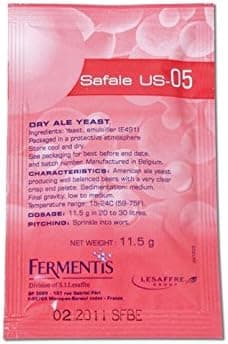
+ Pack of 5 sachets covers several batches of American ale
From our guide: Best Brewing Yeast for Homebrewing (2026)
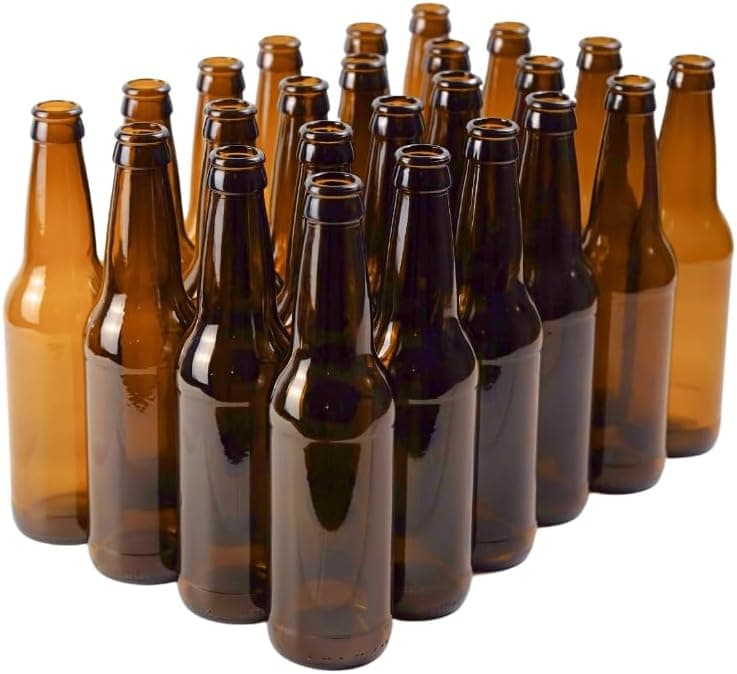
+ Pack of 24 bottles a good chunk of a batch
From our guide: Best Beer Bottles for Homebrew (2026)
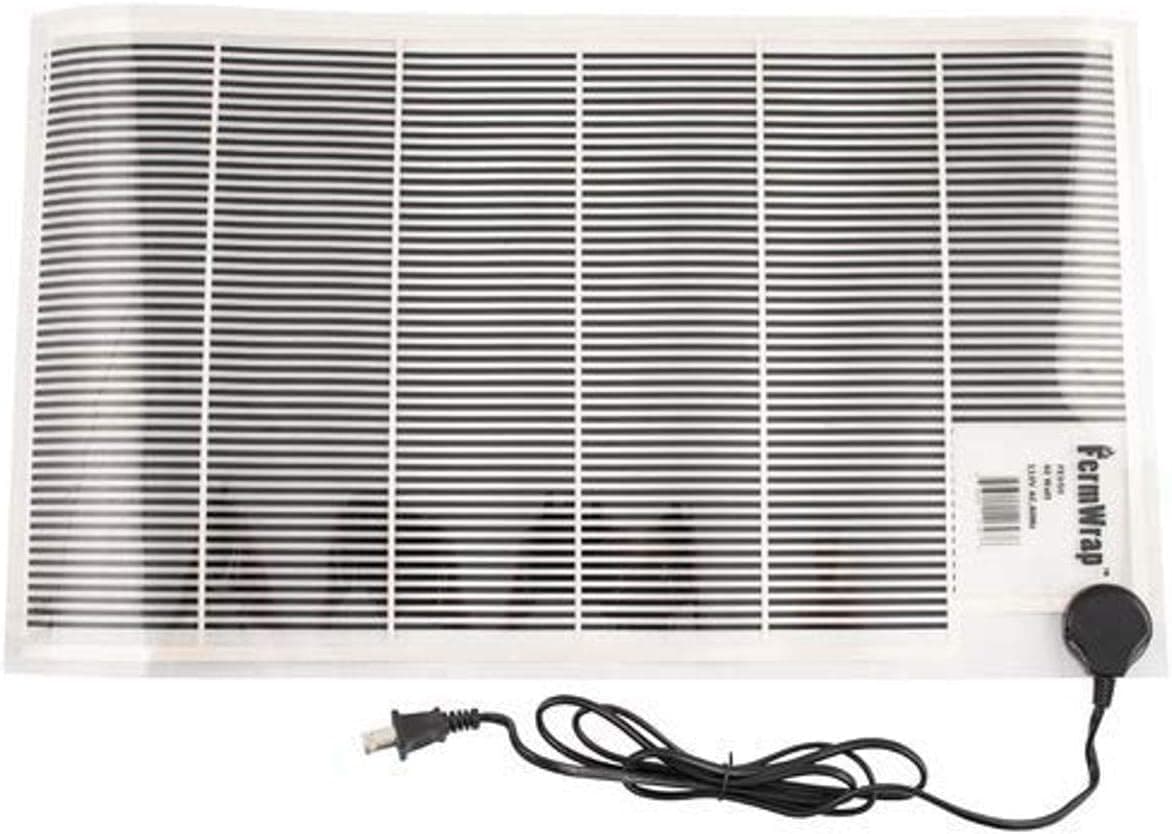
+ 40 Watt output gives gentle warmth that will not scorch yeast
From our guide: Best Fermenter Heaters for Homebrewing (2026)
+ US-05 ferments cleanly and suits a huge range of American ales
From our guide: Best Brewing Yeast for Homebrewing (2026)
Popular right now
- How to Store Hops and Grain ProperlyArticle
- Best Brew in a Bag (BIAB) Bags for Homebrewing (2026)Buying guide
- Cleaning and Sanitizing KitCollection
- Fermentation Temperature ControlCollection
- First Extract Brew KitCollection
- Reading Original and Final Gravity to Calculate ABVArticle
Based on the last 28 days of search and visitor data.